We crossed from the West Coast to the top of the South Island with a one-night stop in Māpua, where our Airbnb host Lynn had a cabin up in the hills that was peaceful, spacious, and came with a washing machine. That last part mattered more than it sounds. We pack light — about four days’ worth of clothes for a six-week trip — so starting the Abel Tasman leg with everything clean felt like resetting the clock.
The next morning we stopped for breakfast at the Village Café in Motueka, and the town stuck with us enough that we came back the following day for their Sunday outdoor market. Arriving in Marahau — the tiny village at the base of Abel Tasman National Park — was a little disorienting. The tidal range there is among the largest in New Zealand, and we pulled in at low tide to find dozens of boats sitting tilted on sand, looking stranded. We rounded the corner, stopped into the visitors center, and booked an afternoon water taxi with Abel Tasman Aqua Taxi out to Anchorage, with a plan to walk back to our lodging at the Barns, a backpackers with glamping tents facing the water.
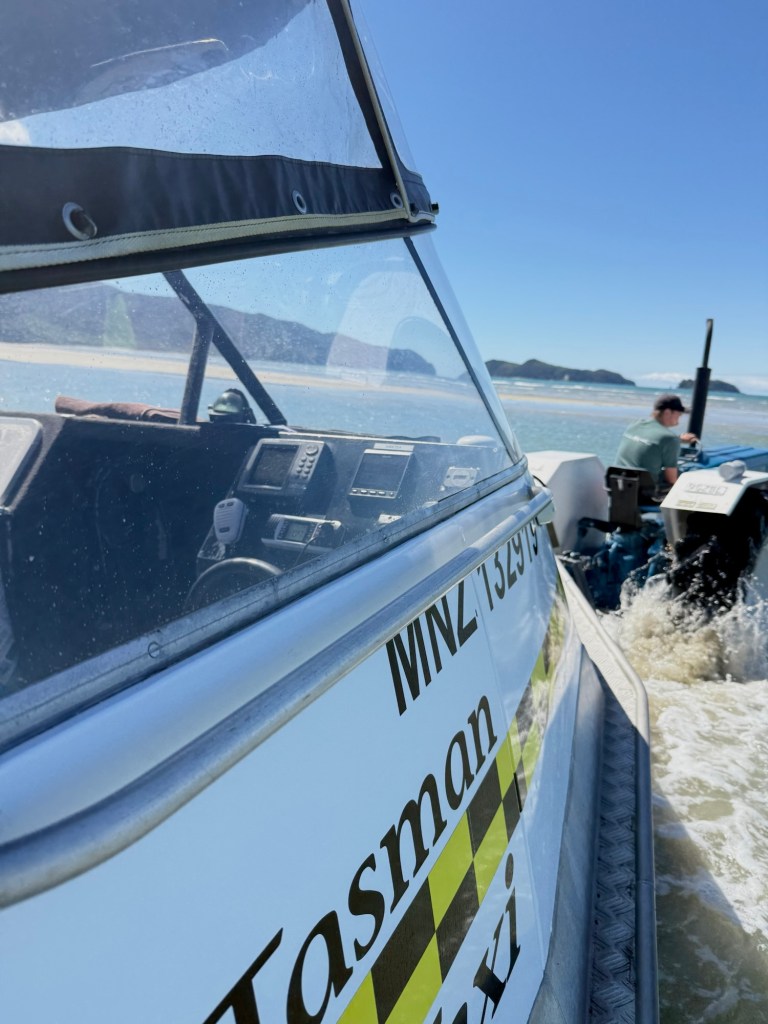
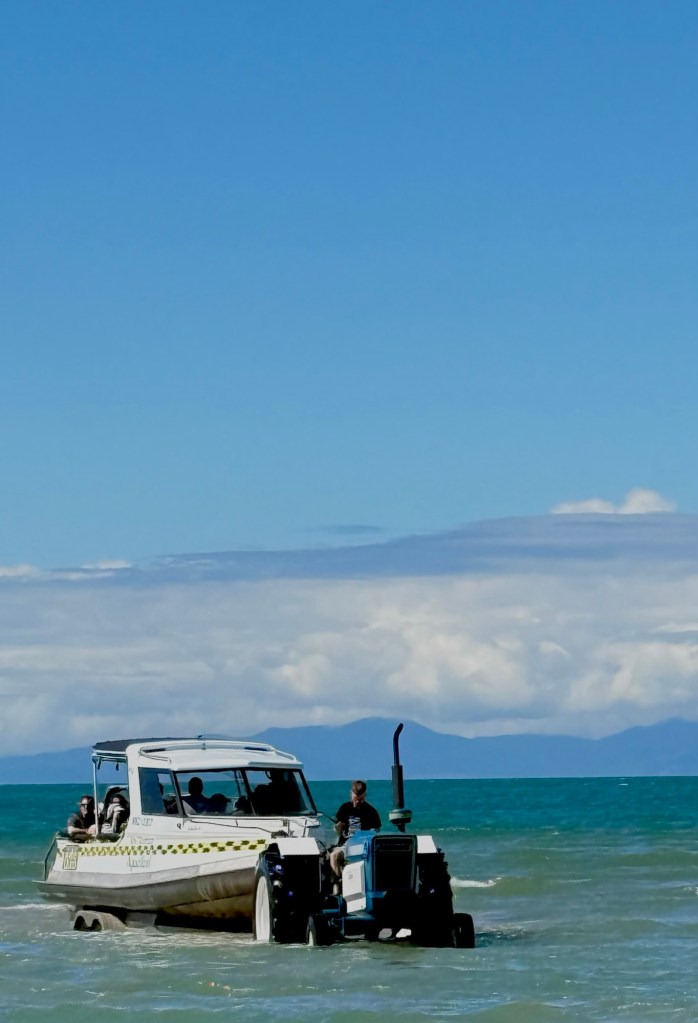
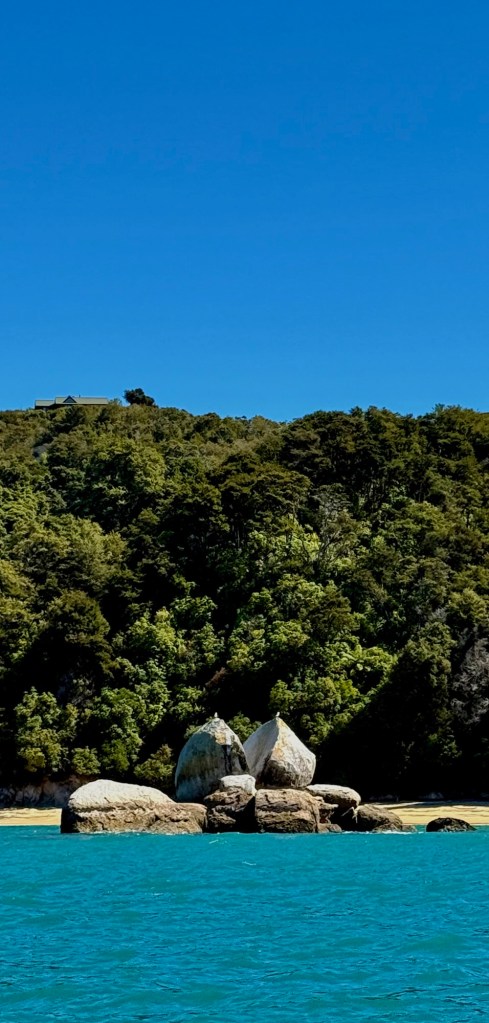
The water taxi turned out to be quite exciting. The boats hold twenty passengers and sit on trailers attached to tractors on the shore. Everyone climbs aboard, and then the tractor hauls the whole thing out across the sand flats until the water is deep enough for the boat to float. At low tide, that’s quite a journey. Our skipper swung us around a headland to see Tokangawhā, or Split Apple Rock — a 120-million-year-old granite boulder split almost perfectly down the middle. The Māori story is that two gods were fighting over it and, unable to settle the argument, grabbed an end each and tore it in two.
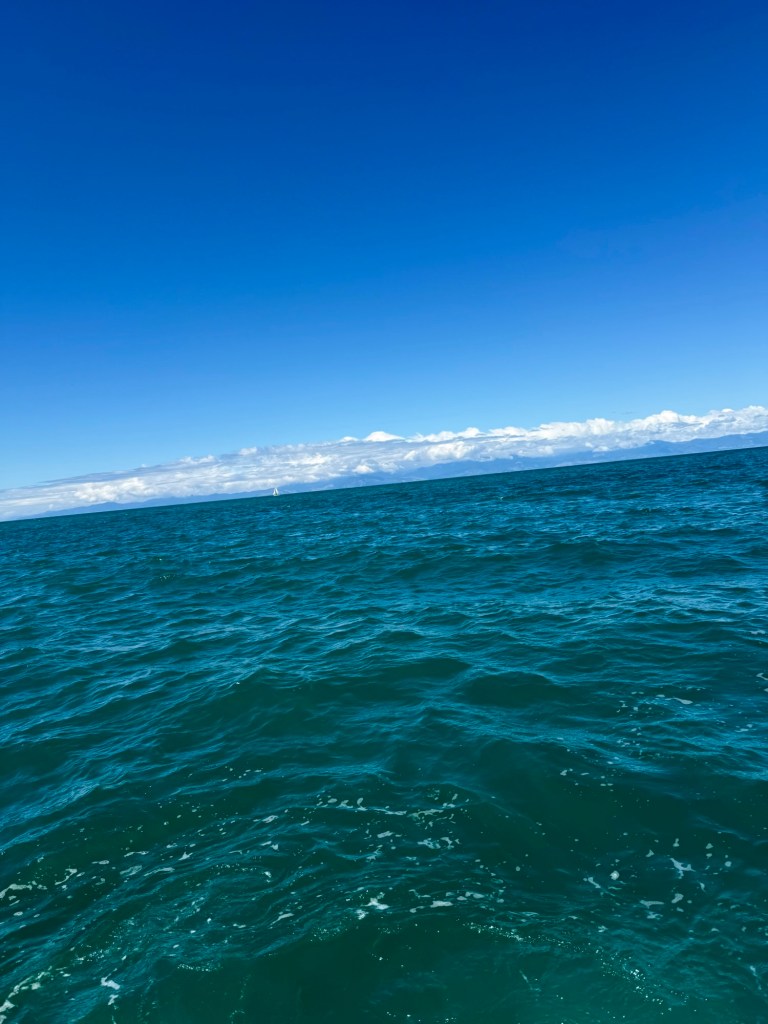
From there it was about thirty minutes up the coast — changing blue-green water, lush green foliage running right down to the shoreline — before we arrived at Anchorage. The low tide meant a step out into knee-high water and a wade to shore with our hiking boots held overhead. We found a picnic table, dried off, and ate our standard NZ trail lunch: smoked salmon, cheese, crackers, apples, and Otago plums, those deep-red NZ plums with the crimson flesh inside.
The hike back took about five hours. We stopped constantly. I think we each said “wow” close to a hundred times, which felt about right.
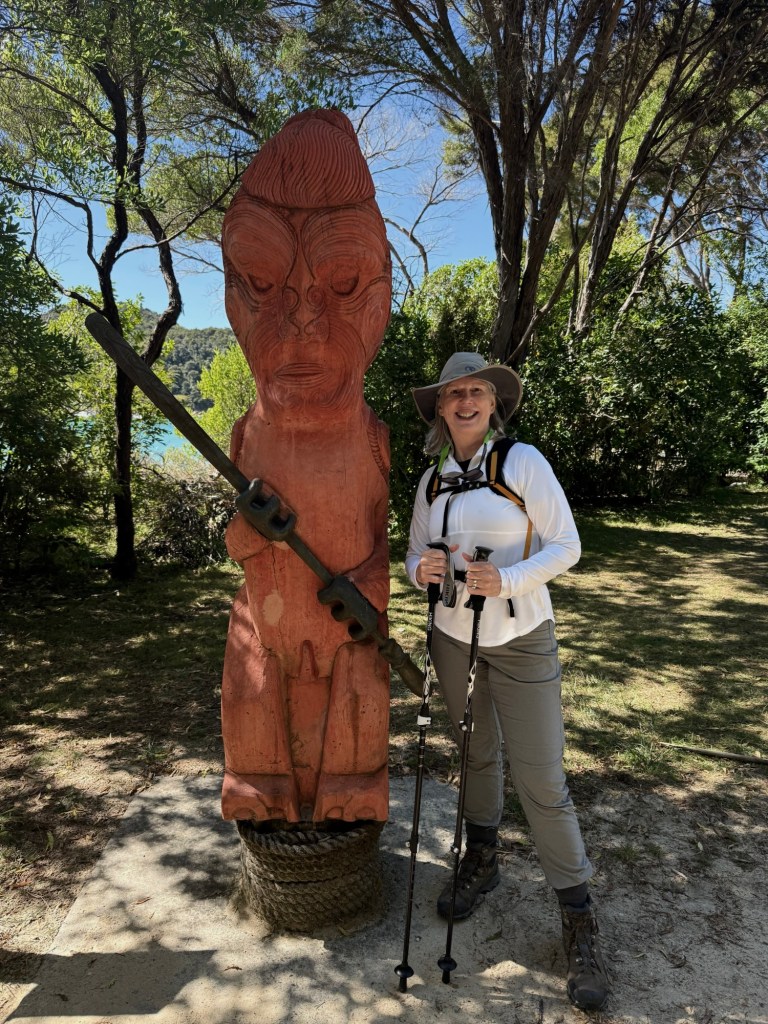
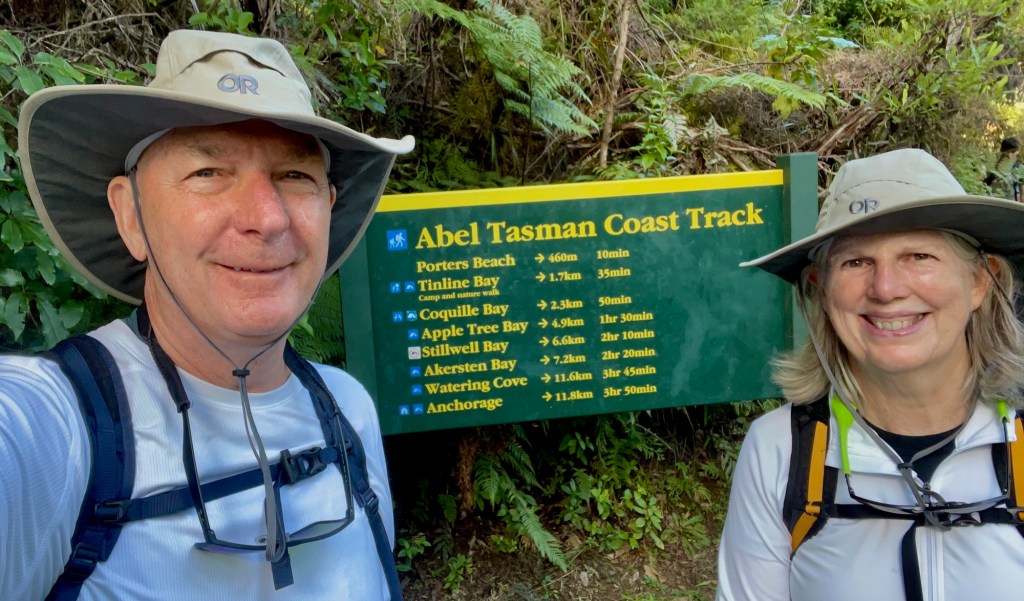
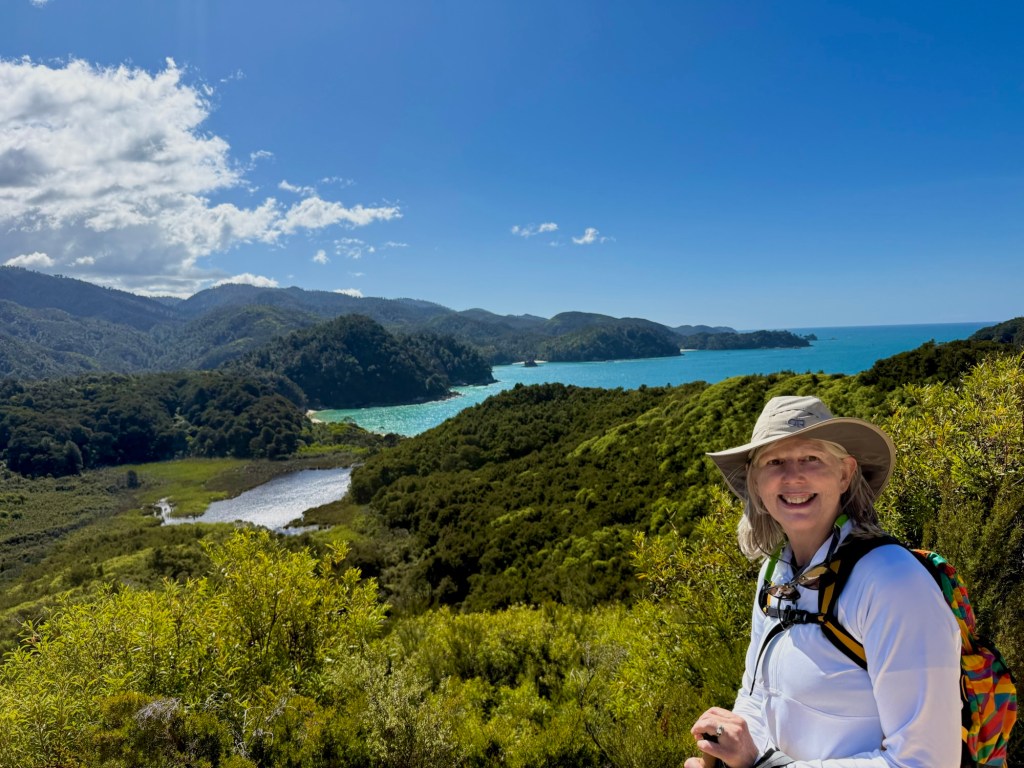
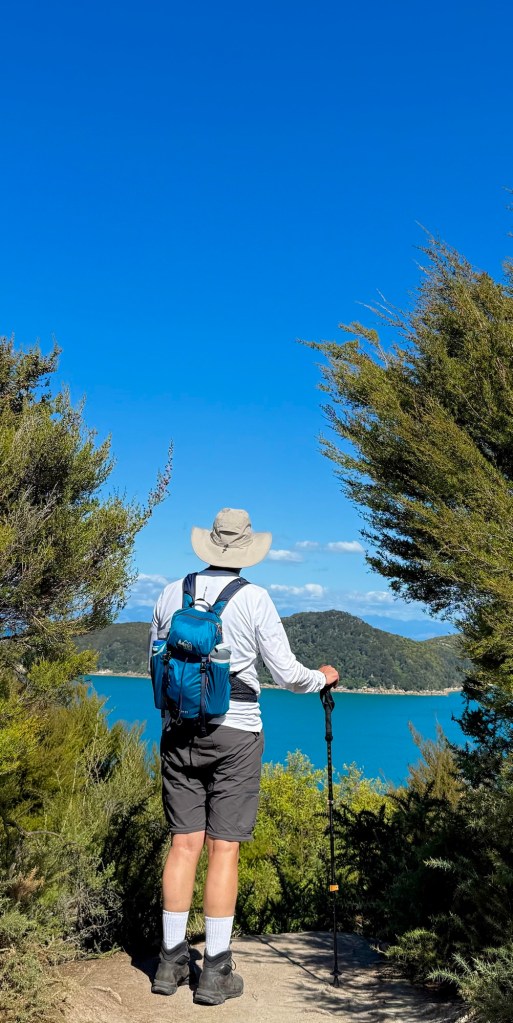
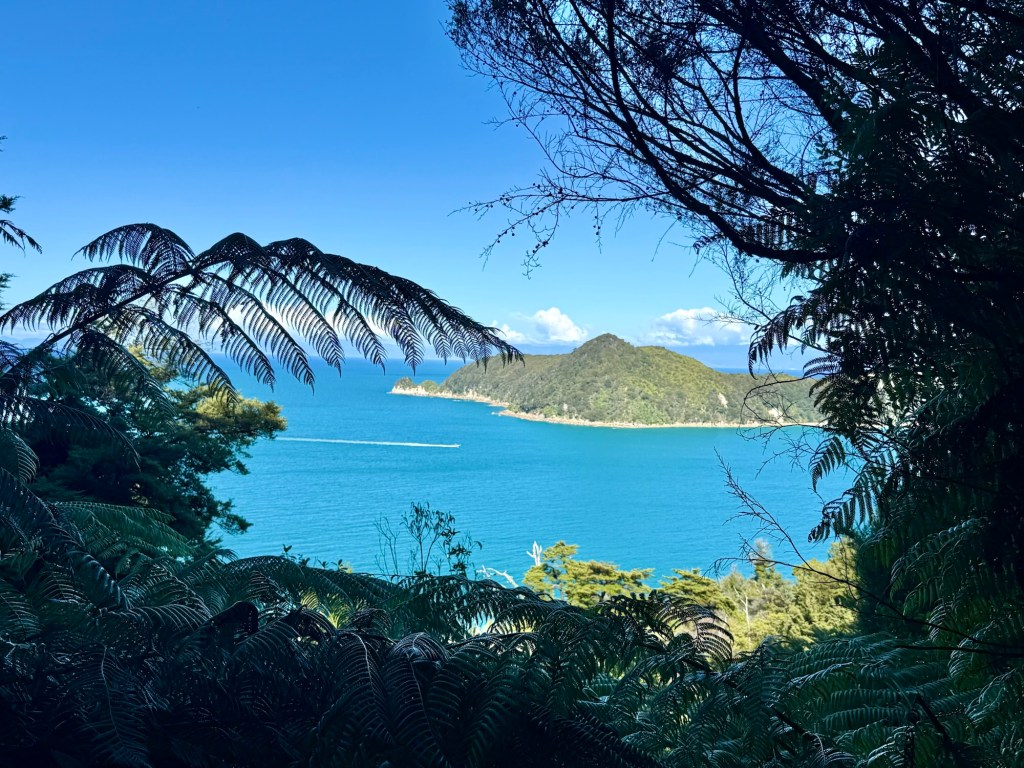
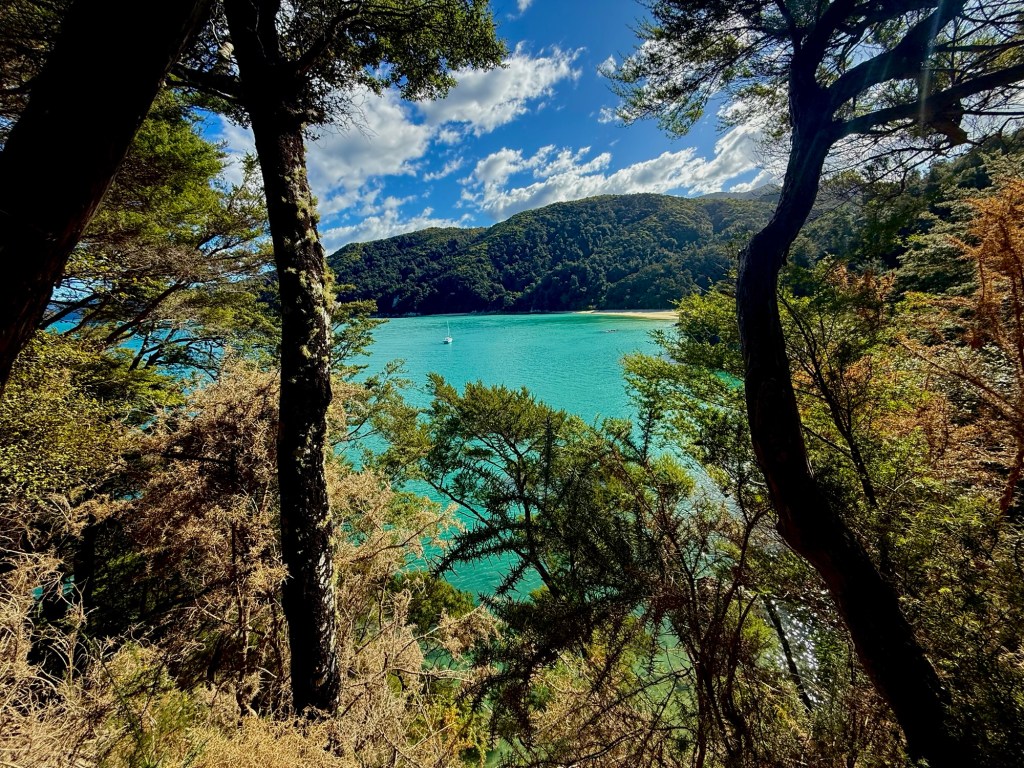
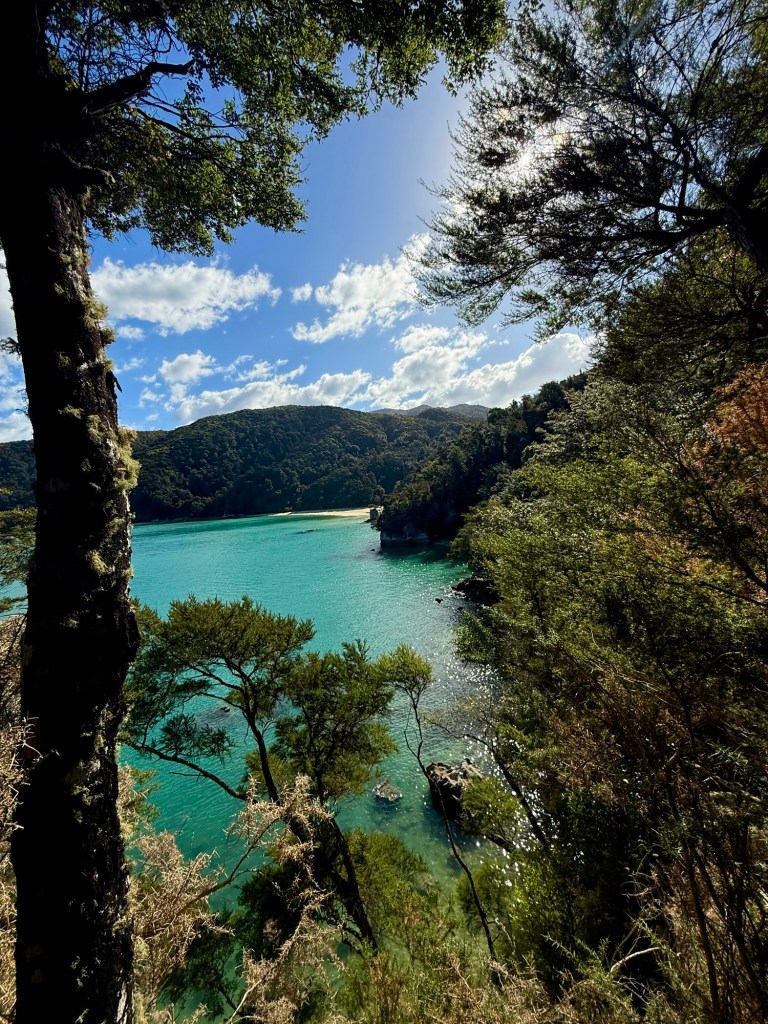
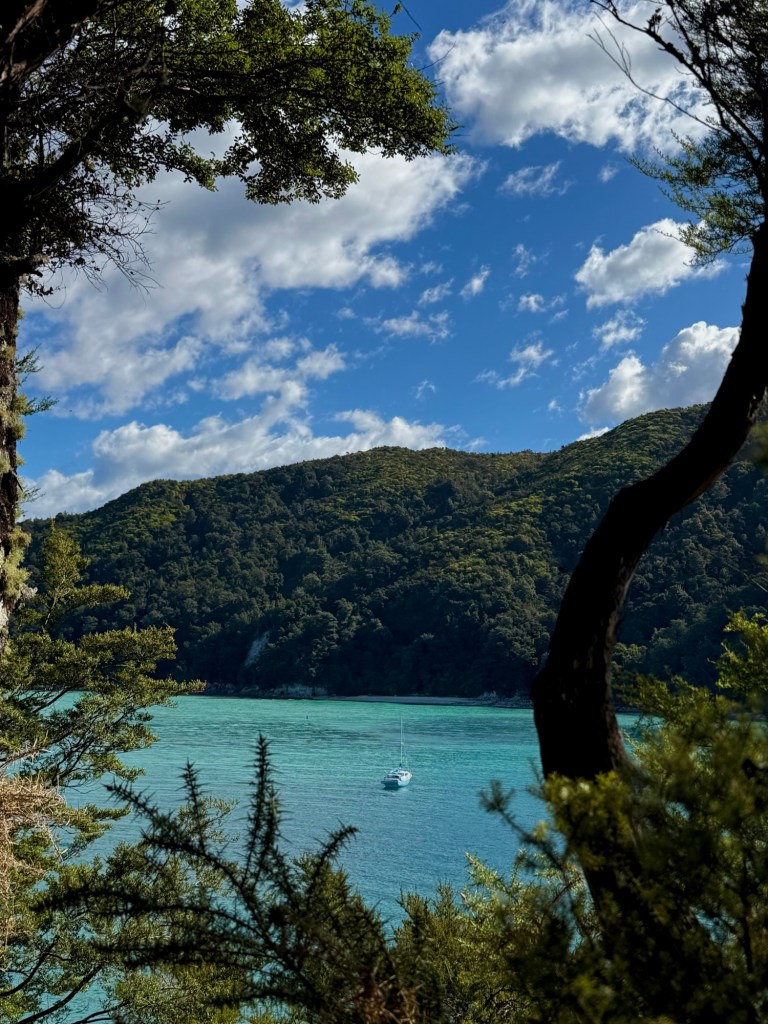
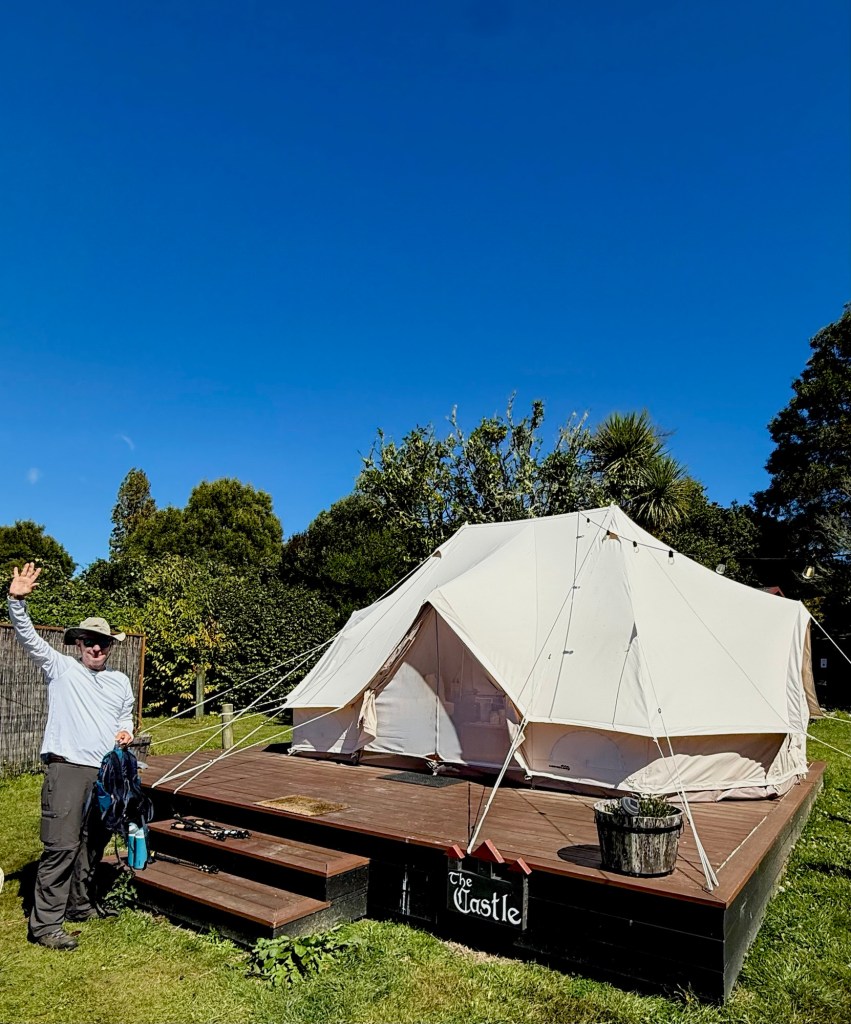
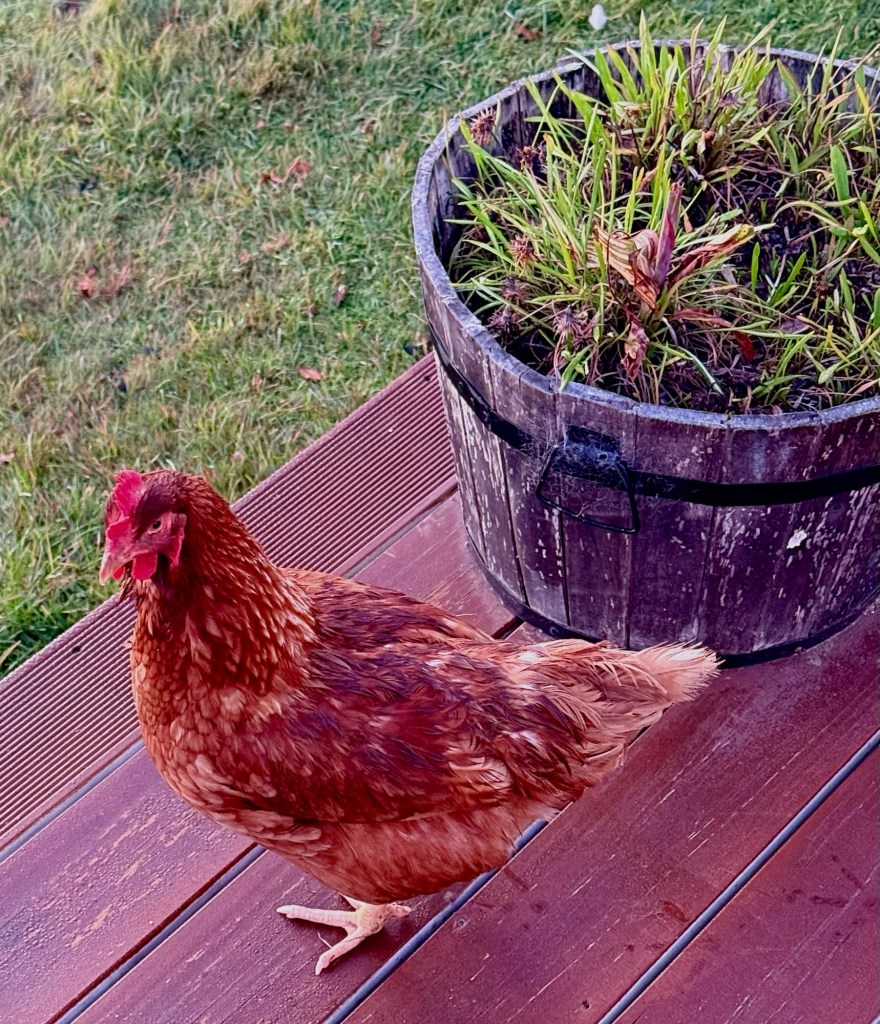
We made it back to the Castle — our glamping tent at the Barns, sitting in its own paddock with nothing but pasture and Tasman Bay in front of it — with just enough time to clean up before the five-minute walk to the Park Café for dinner.
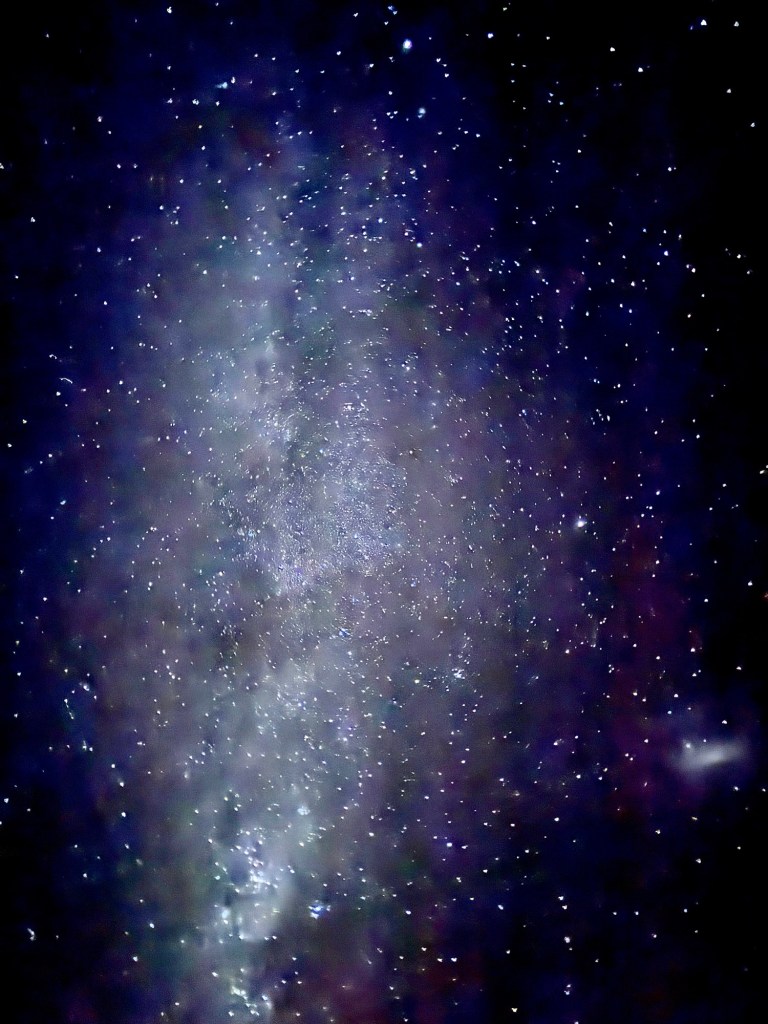
That night, since the bathrooms are shared and a 2am situation required a walk outside, we got the Milky Way. Worse trade-offs exist.
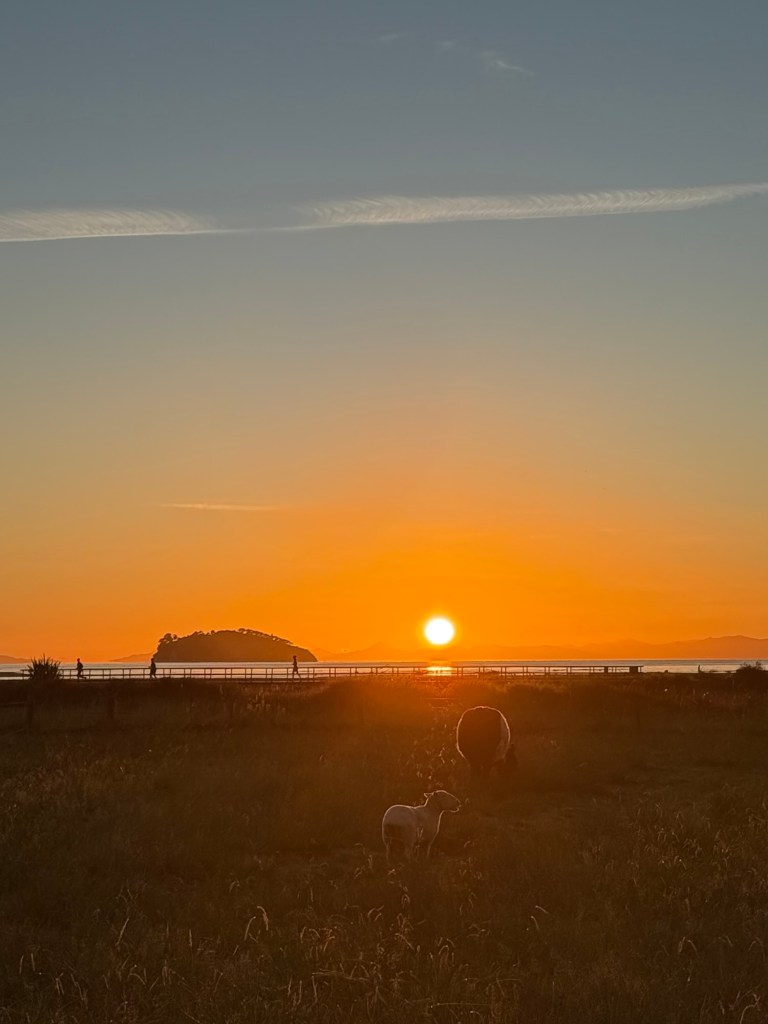
The next morning we woke to an orange-into-pink-into-red sunrise spread across the water and just sat with it for a while. Coffee first, then we packed our day packs and headed back out for the second section of the Abel Tasman Track: Bark Bay down to Anchorage, where a boat would collect us and return us to Marahau.
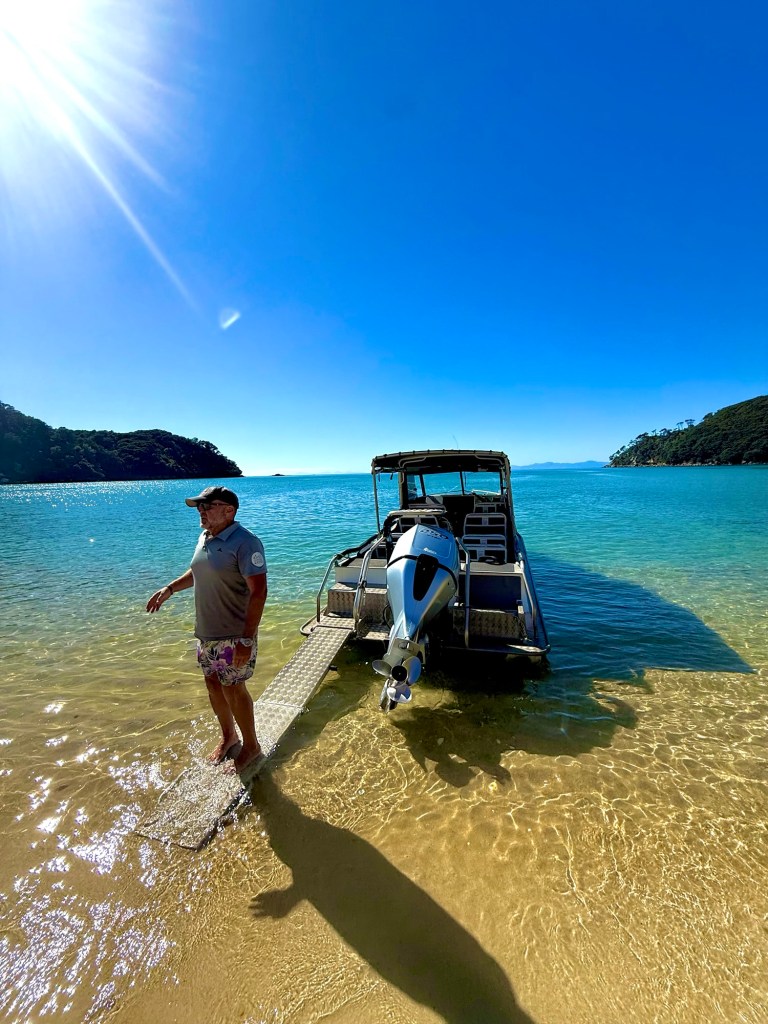
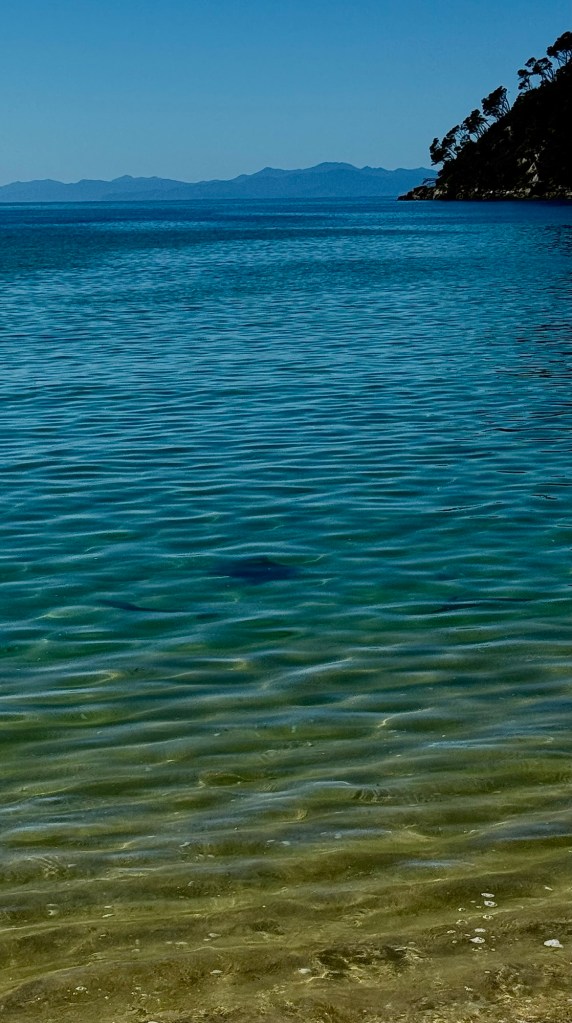
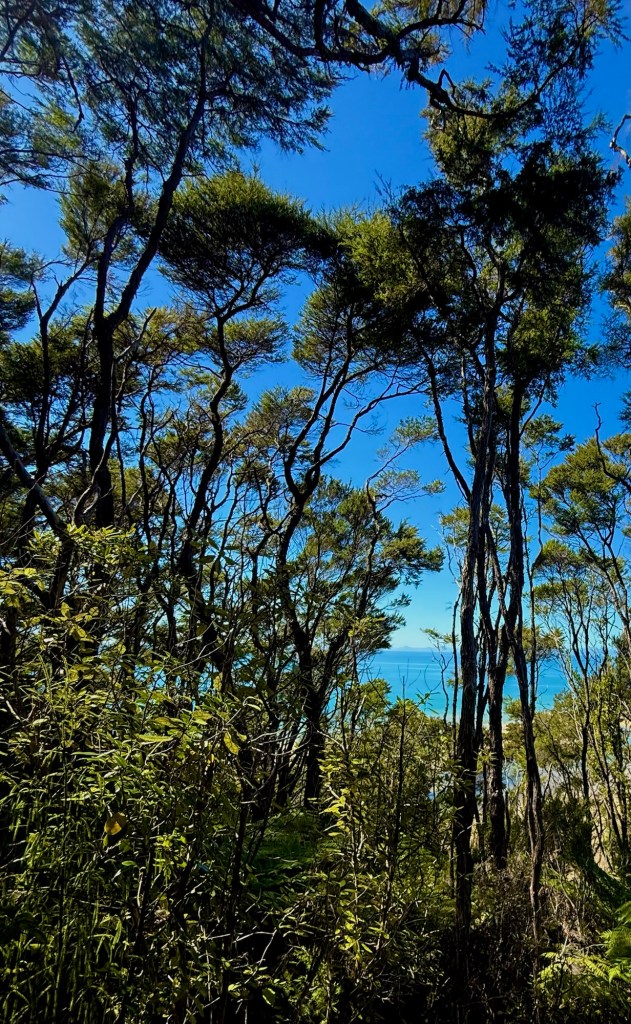
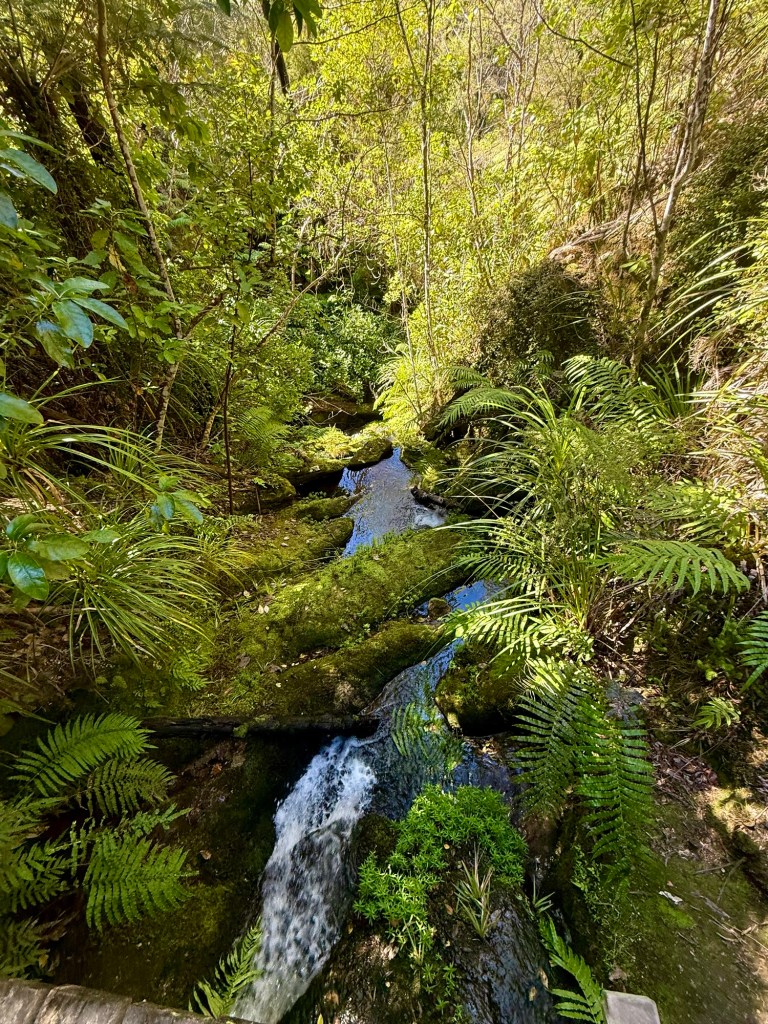
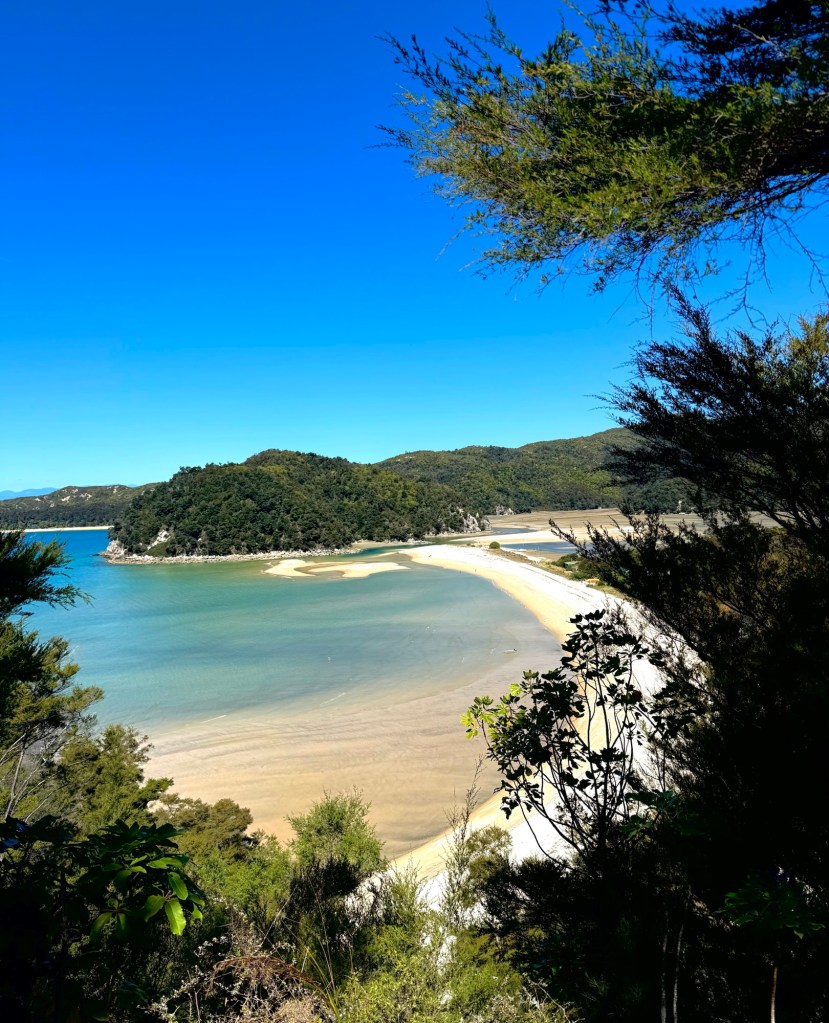
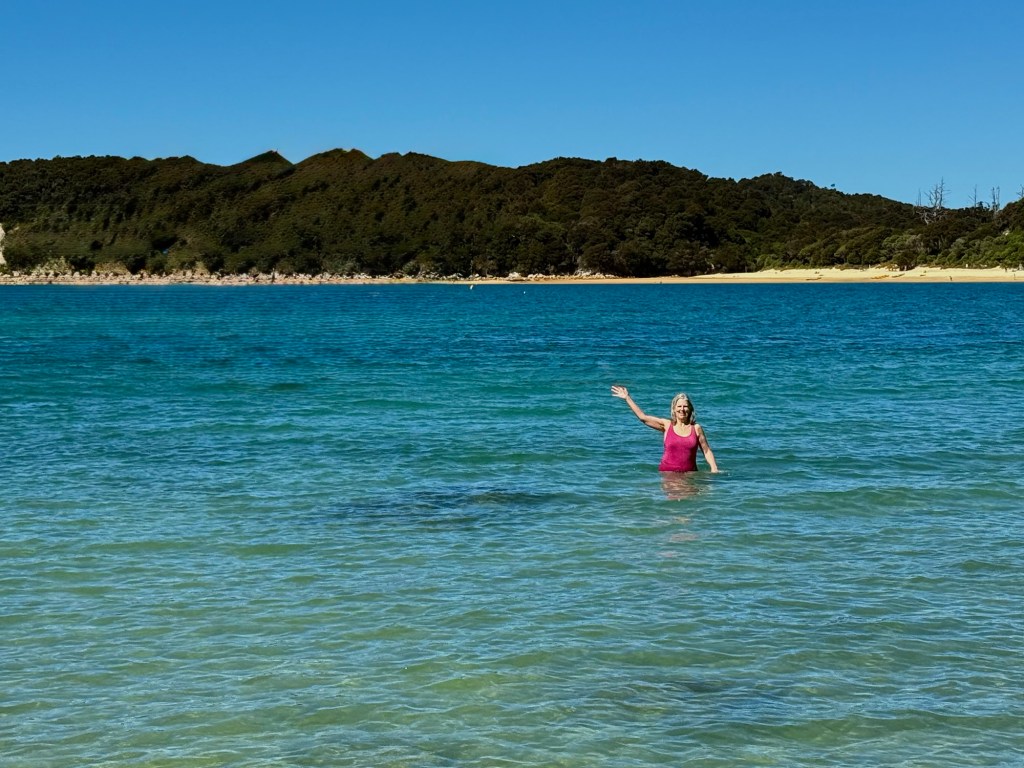
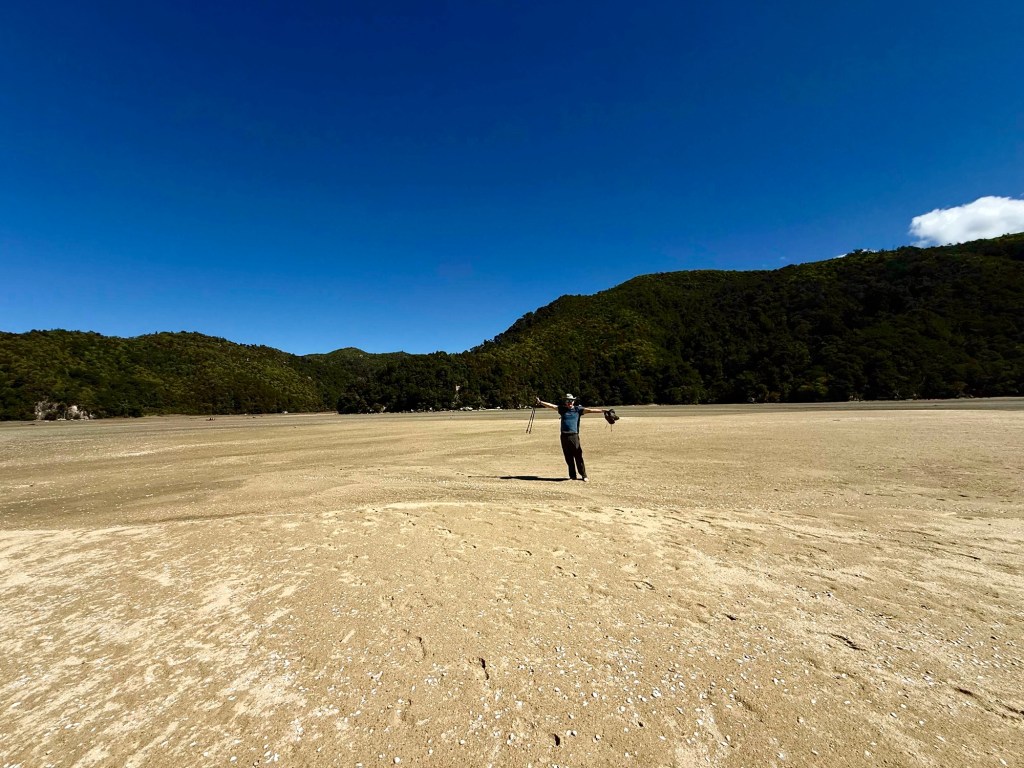
The day cooperated completely. Bright sun on the water, a shaded trail almost the entire way, birdsong loud enough that we kept stopping to listen. We spent the whole thing out on the trail, got back to the Castle for a cocktail, and then walked over to a food truck called the Fat Tui for dinner.
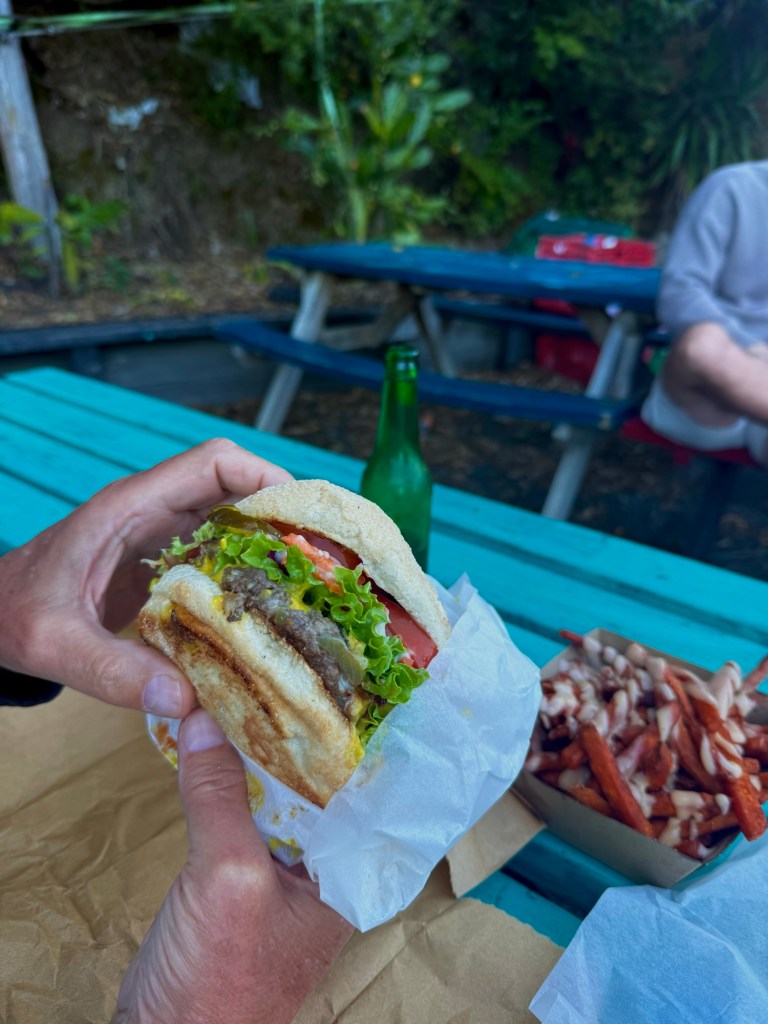
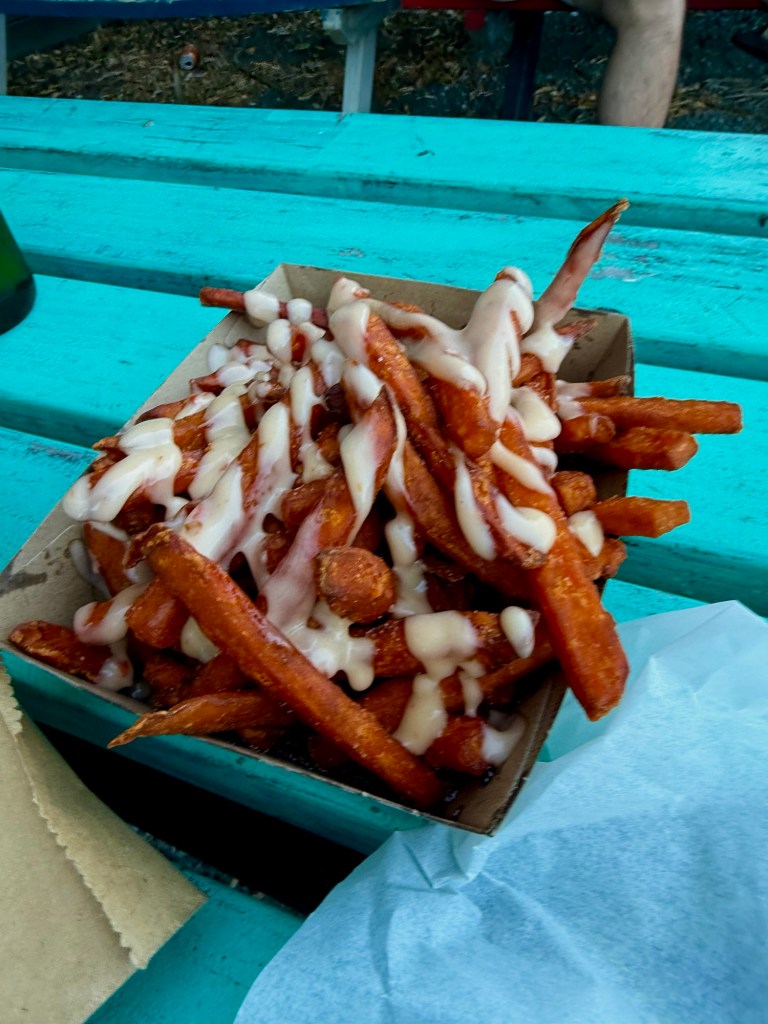
We didn’t know what we were walking into, but from the moment we stepped up, the owner and staff made us feel like regulars. The burgers were enormous and better than most we’ve had anywhere, with a slaw and sauce that actually delivered. But the thing we still talk about is the kumara fries. Kumara is the Māori word for sweet potato, brought to New Zealand from the Pacific islands over a thousand years ago. The natural sugar content is high, and when the fries hit the heat, the outside caramelizes into a sweet, salty crust that has nothing in common with a regular french fry. We went back to the Fat Tui two more times before we left. The owner seemed pleased but unsurprised.
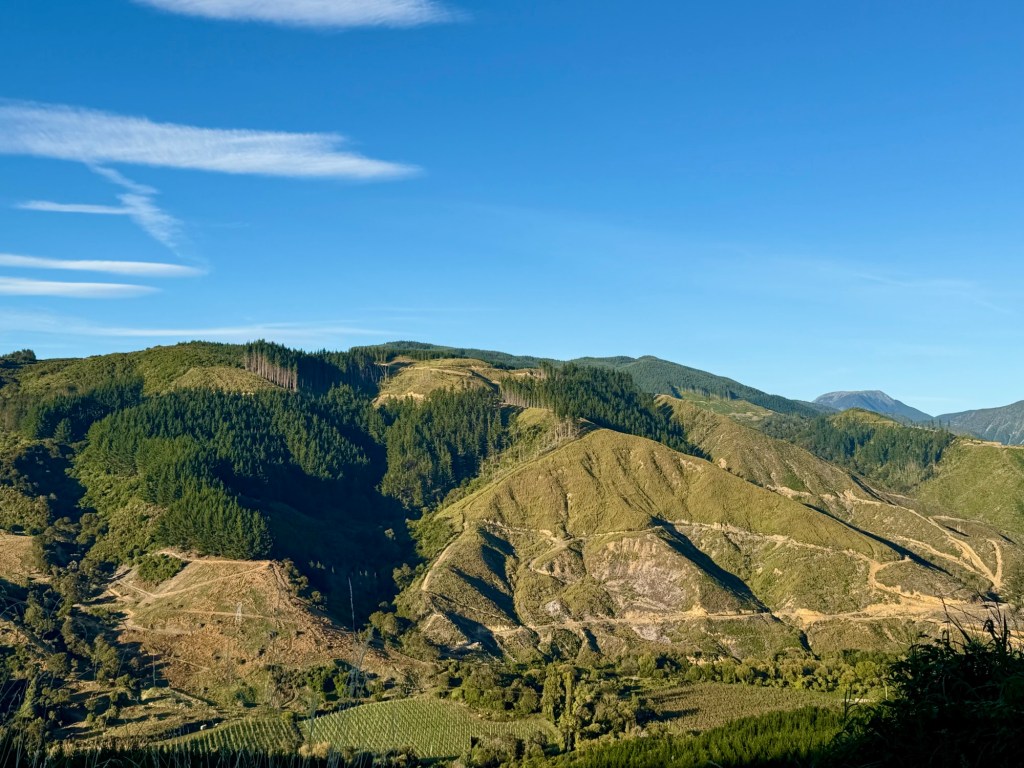
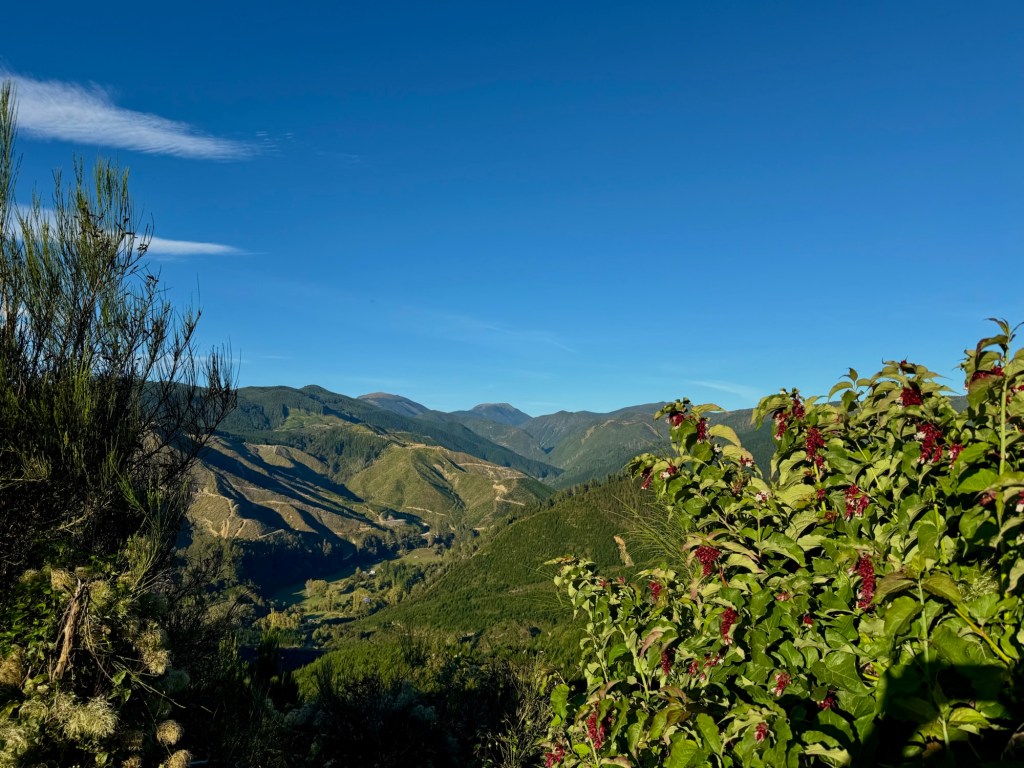
Having walked two of the three Track sections, we wanted something different for day three. A tip from a Golden Bay local at the visitors center pointed us north — past the hour-long drive through the mountain pass that apparently scares some people off. Pete has gotten remarkably good at hairpin turns on roads with steep drop-offs, a skill tested regularly by my insistence on stopping for photos every quarter mile.
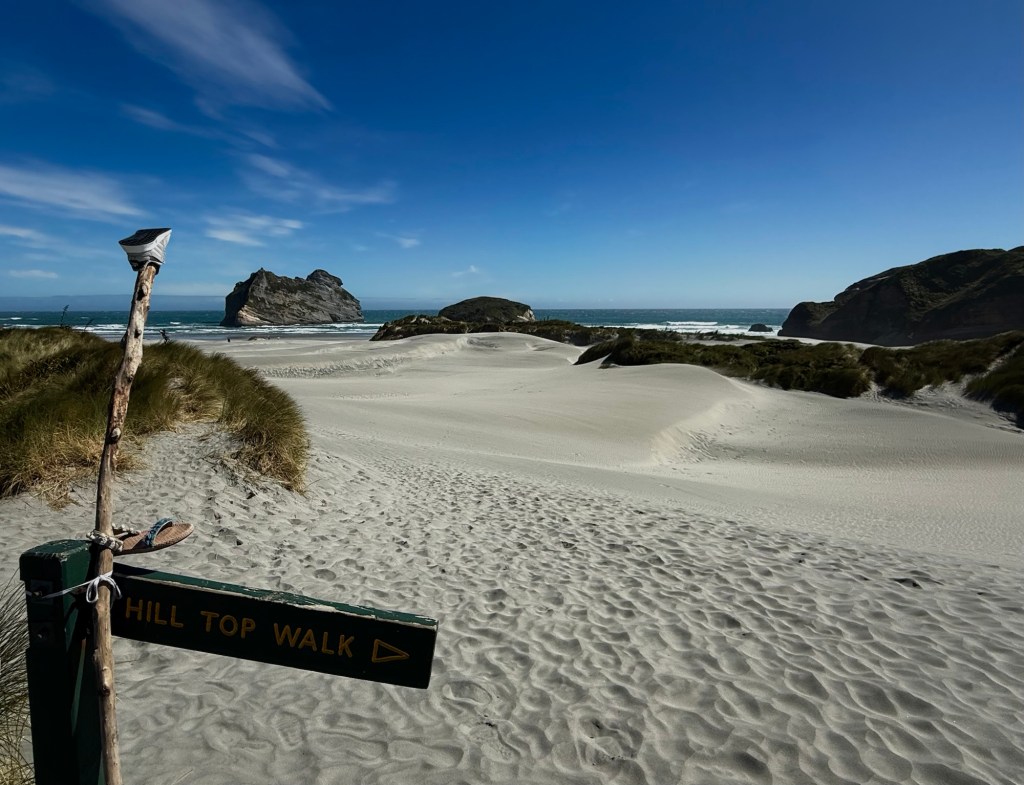
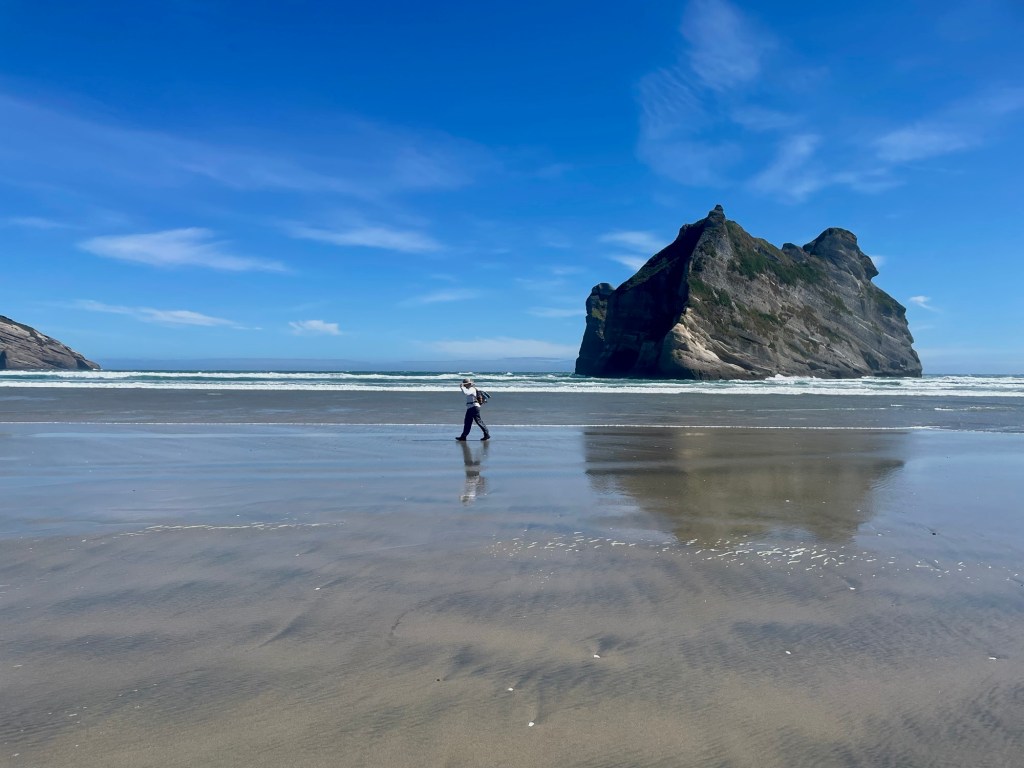
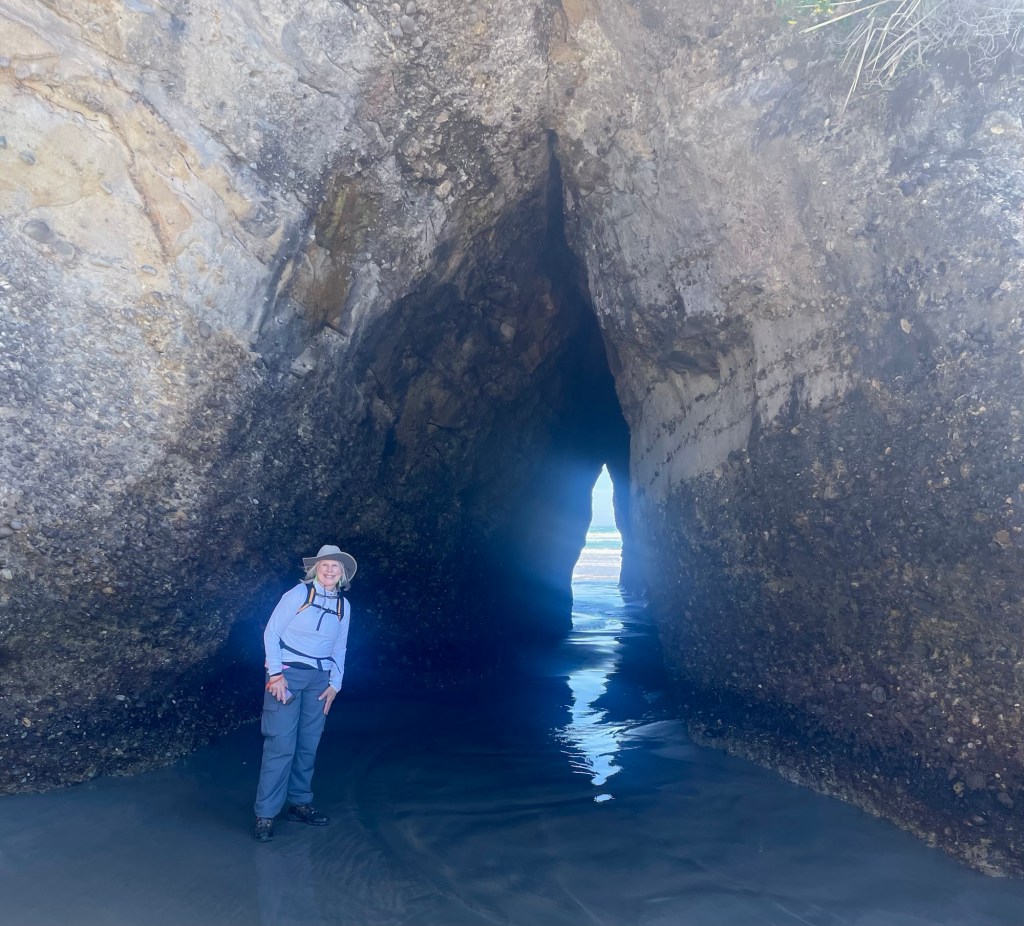
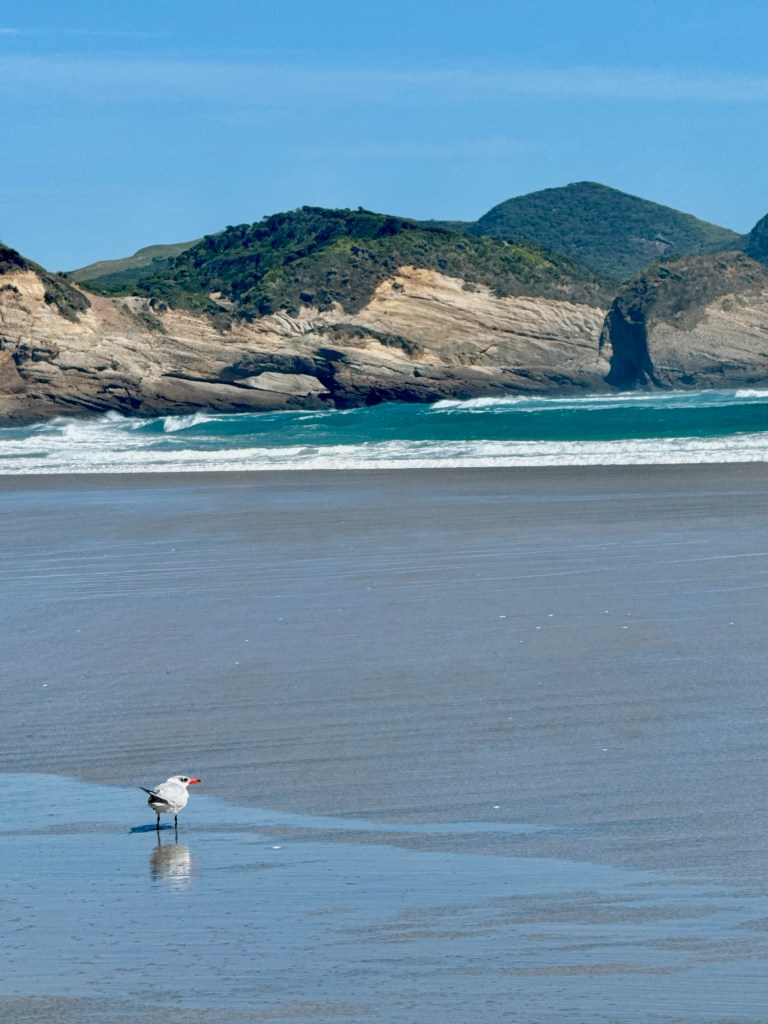
Wharariki Beach on Golden Bay earns its reputation. A twenty-minute walk through farmland opens onto a wide, wild stretch of coast — vast sand dunes, dramatic rock formations, and the Archway Islands rising from the water just offshore. What we weren’t prepared for was the wind. Full Patagonia-level wind that makes you lean into it and reconsider every step. The low tide had at least left the sand wet and packed, so it wasn’t blasting into our faces. The tide was still moving out while we were there, which opened up sea caves along the shore and tidal pools near the islands where fur seal pups were diving and flopping. We walked almost all the way around the farthest rock before turning back and taking the return trip slowly.
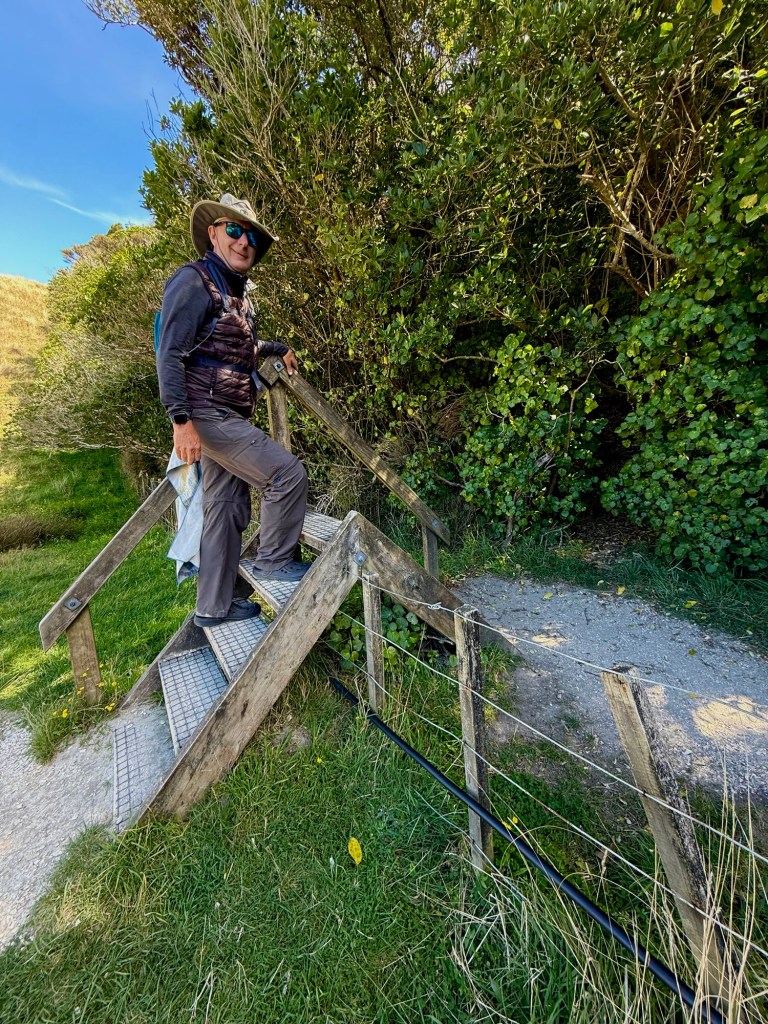
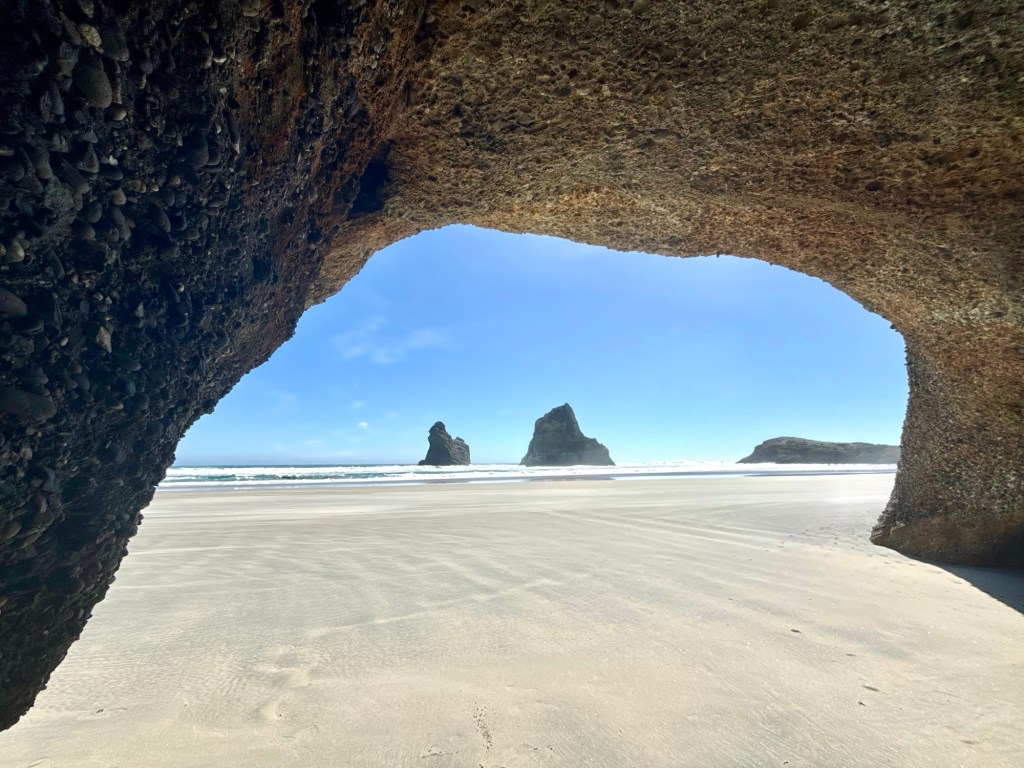
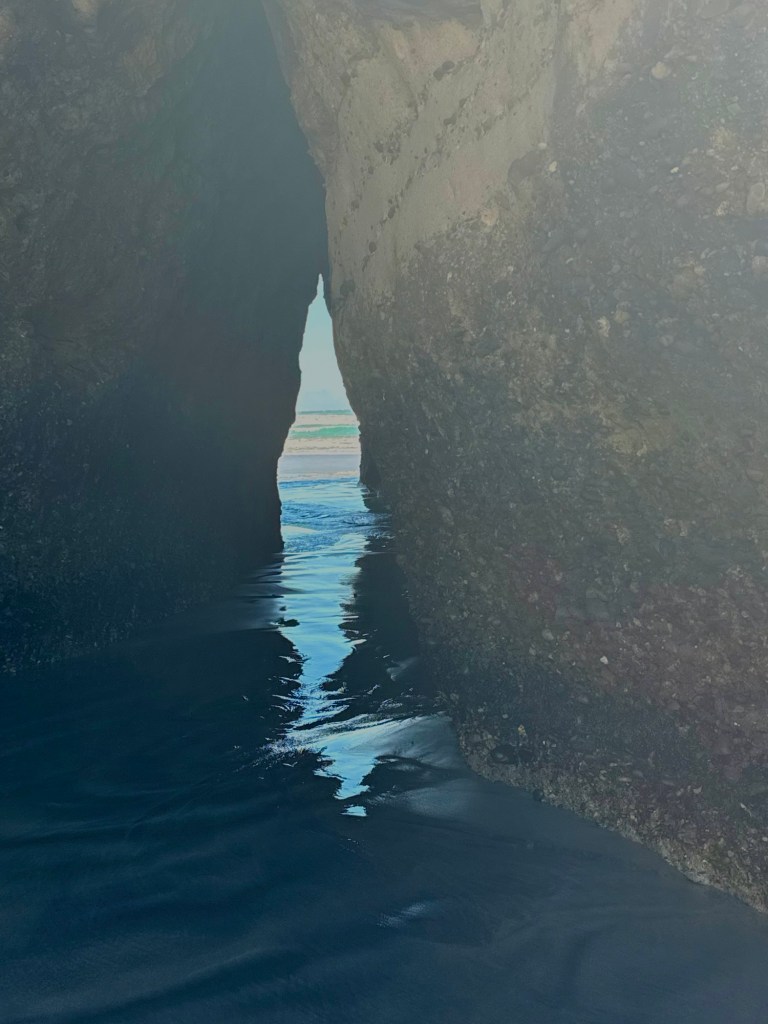
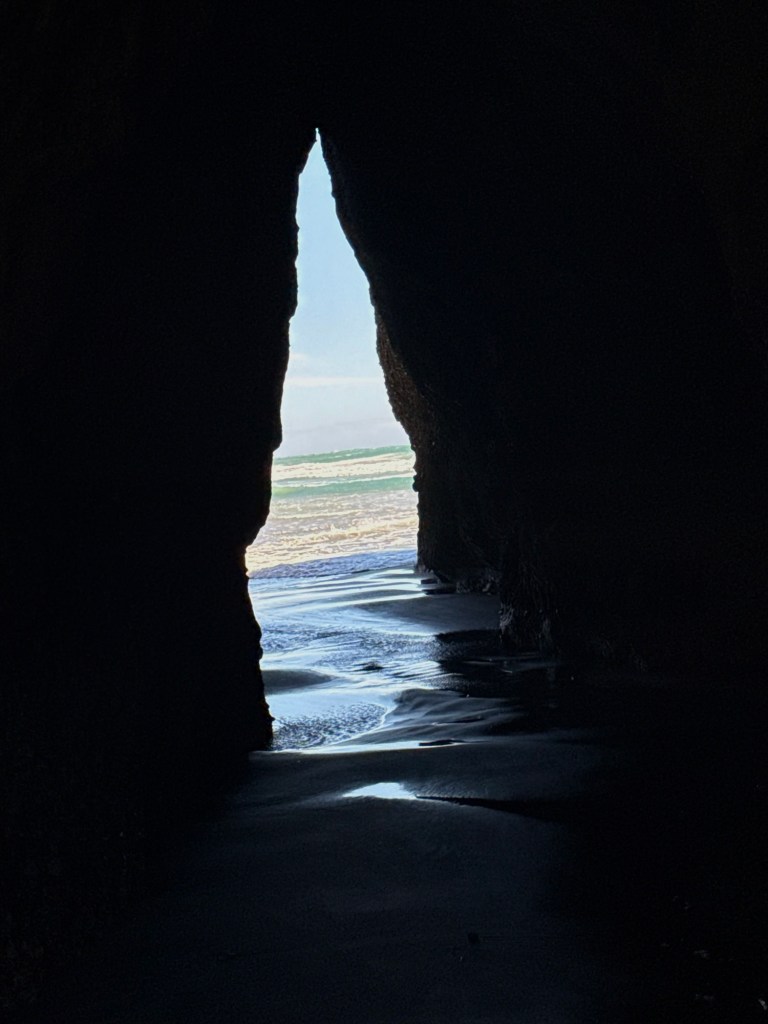
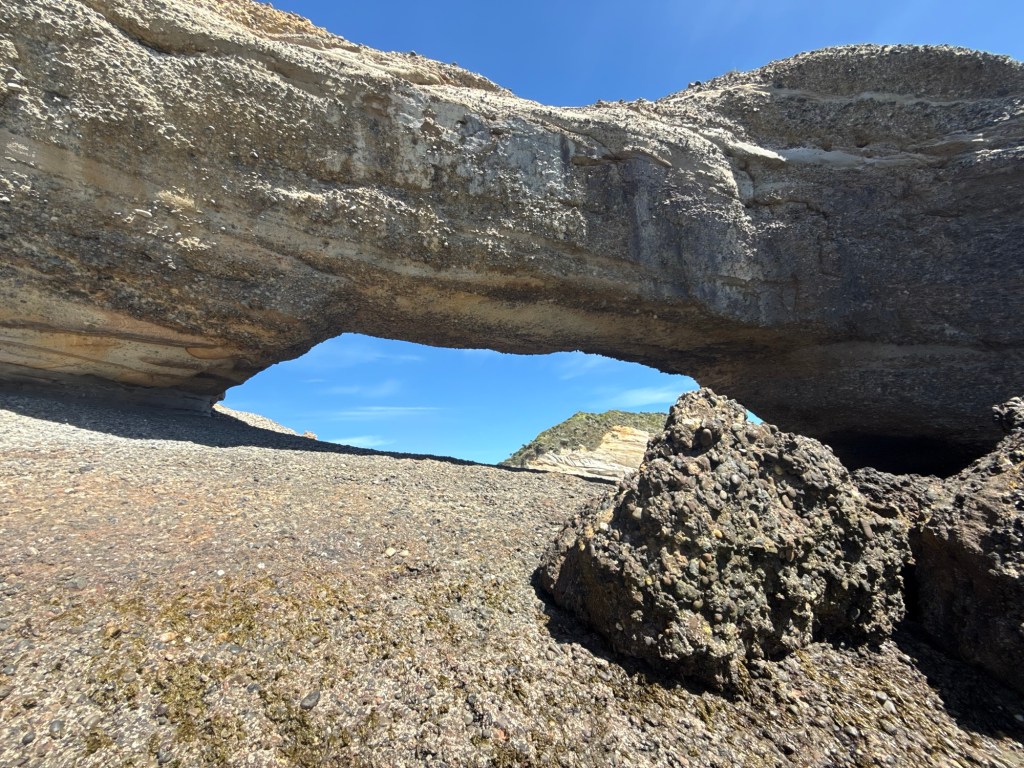
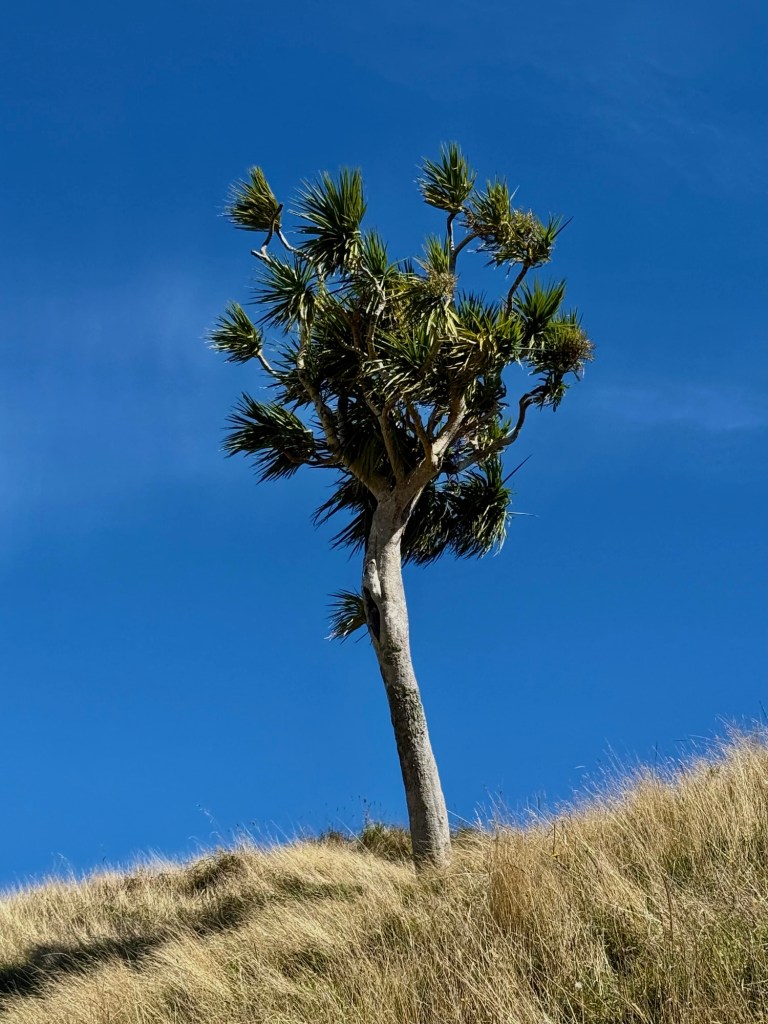
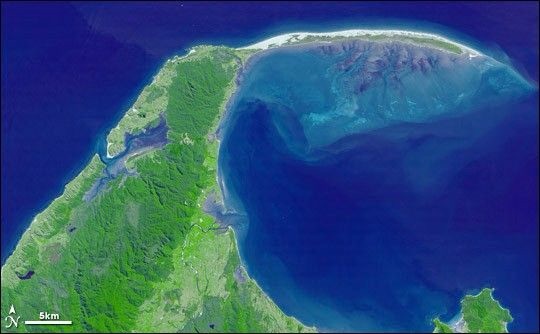
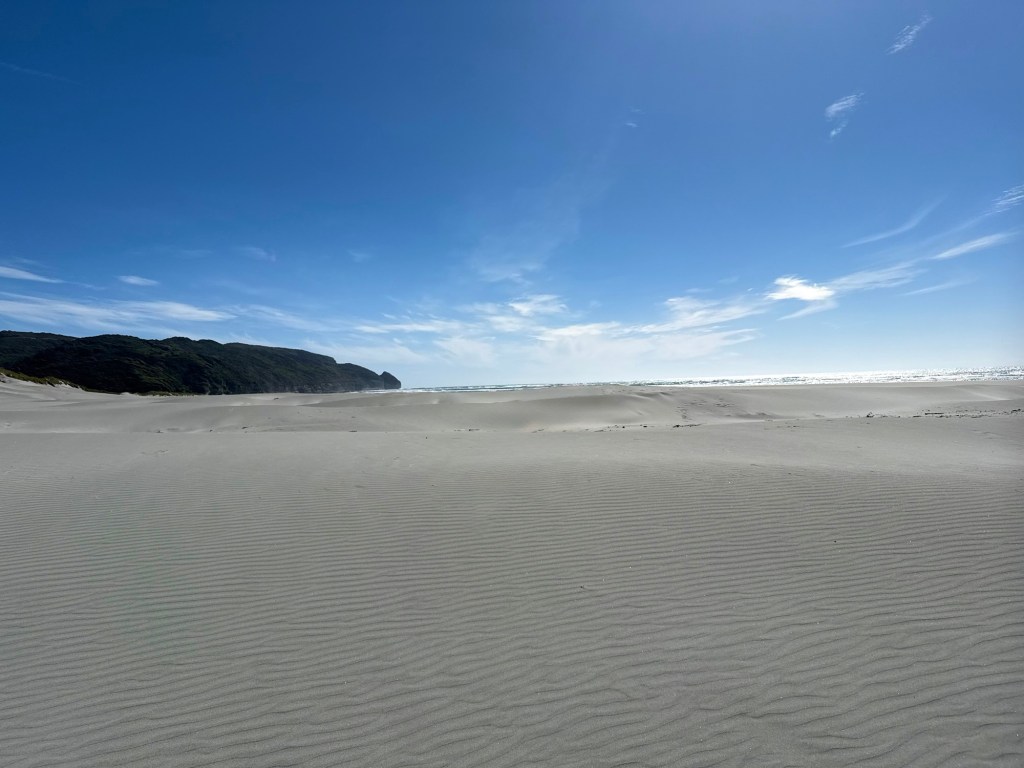
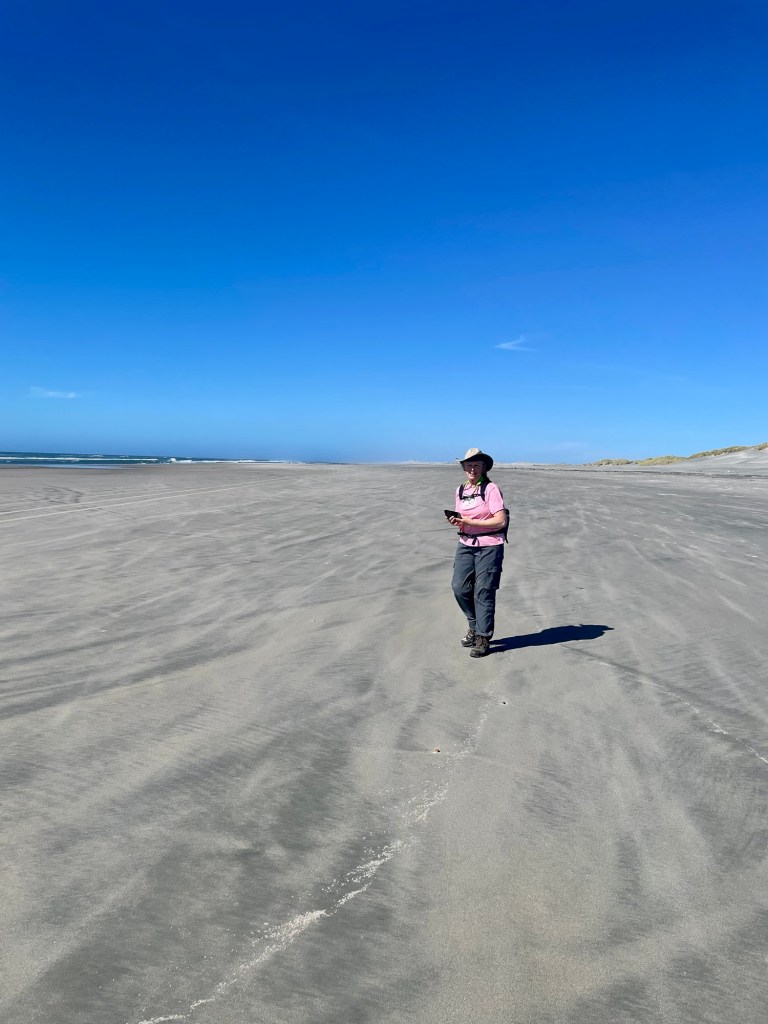
From there we drove out to Farewell Spit, the long arm of sand that curves away from the northernmost tip of the South Island. We passed two walkers early on and then saw no one else — not as we rounded to the ocean side, not on the long walk back. The beach was ours for the afternoon.
One more night of stars, one more sunrise with coffee looking out over the water, and then we loaded up and headed for Blenheim and the Marlborough wine district, with Nelson Lakes after that.
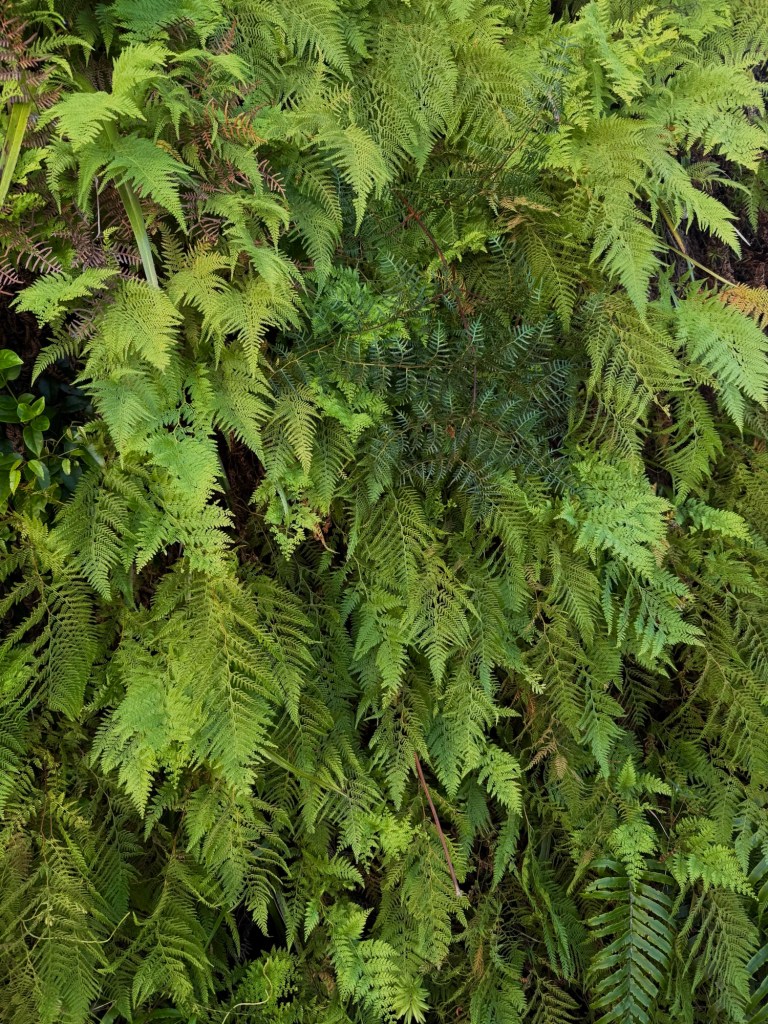
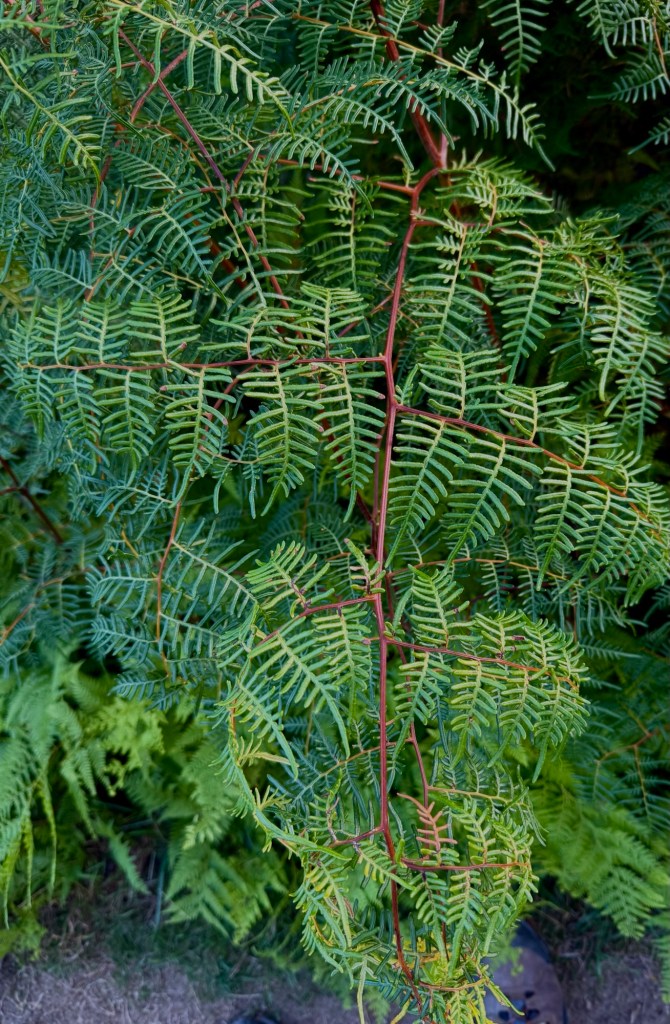
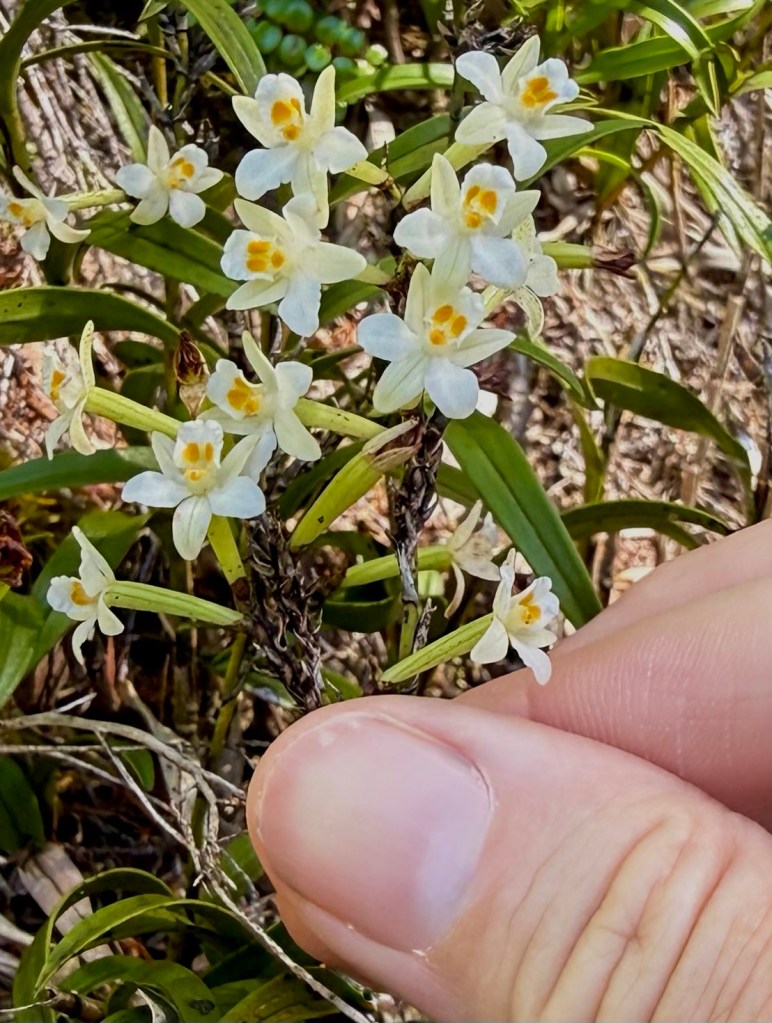
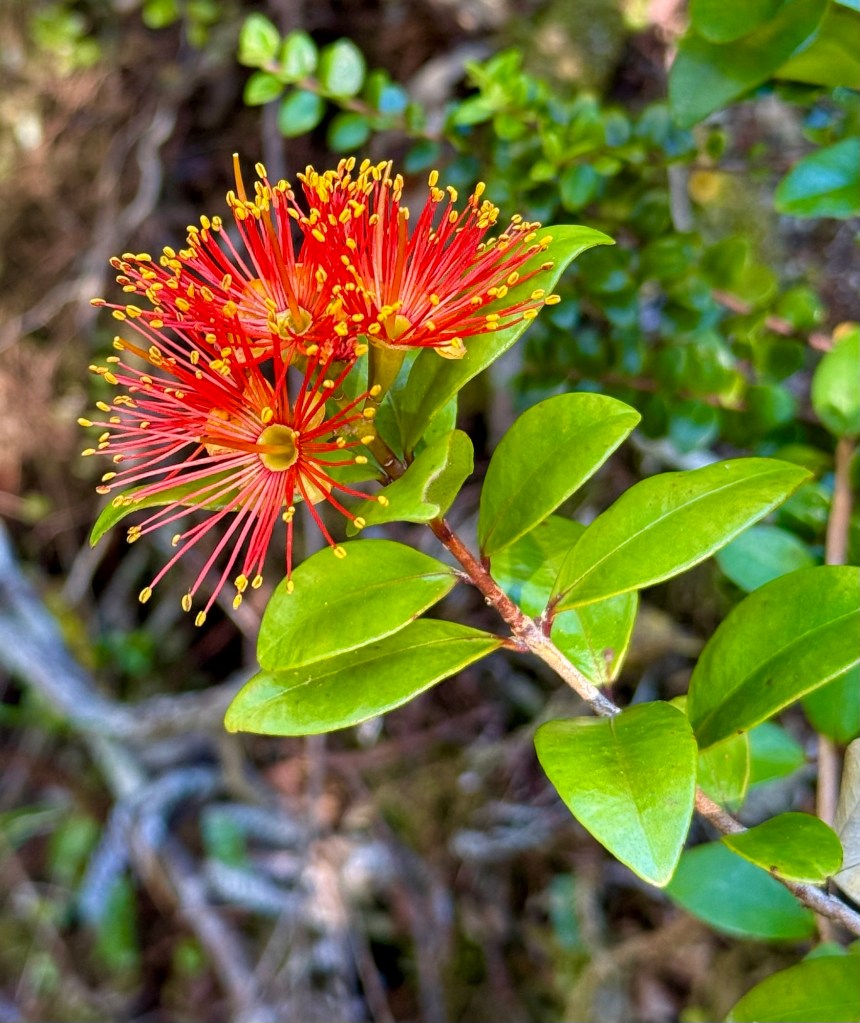
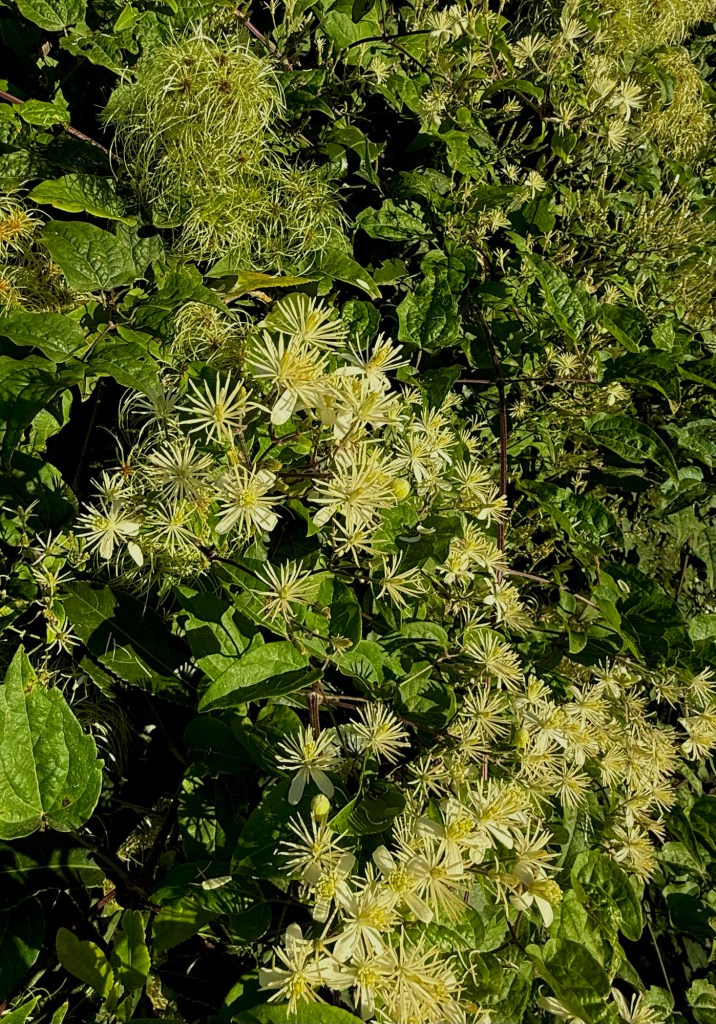
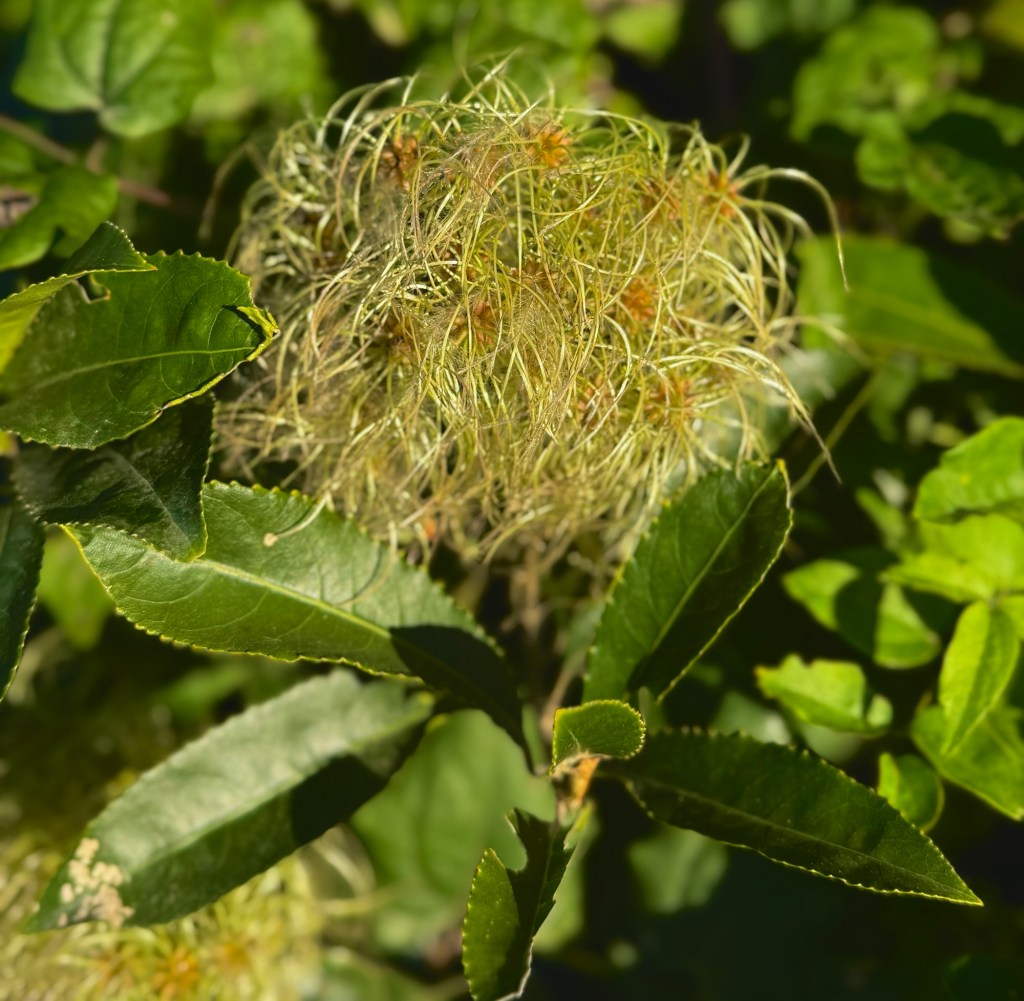
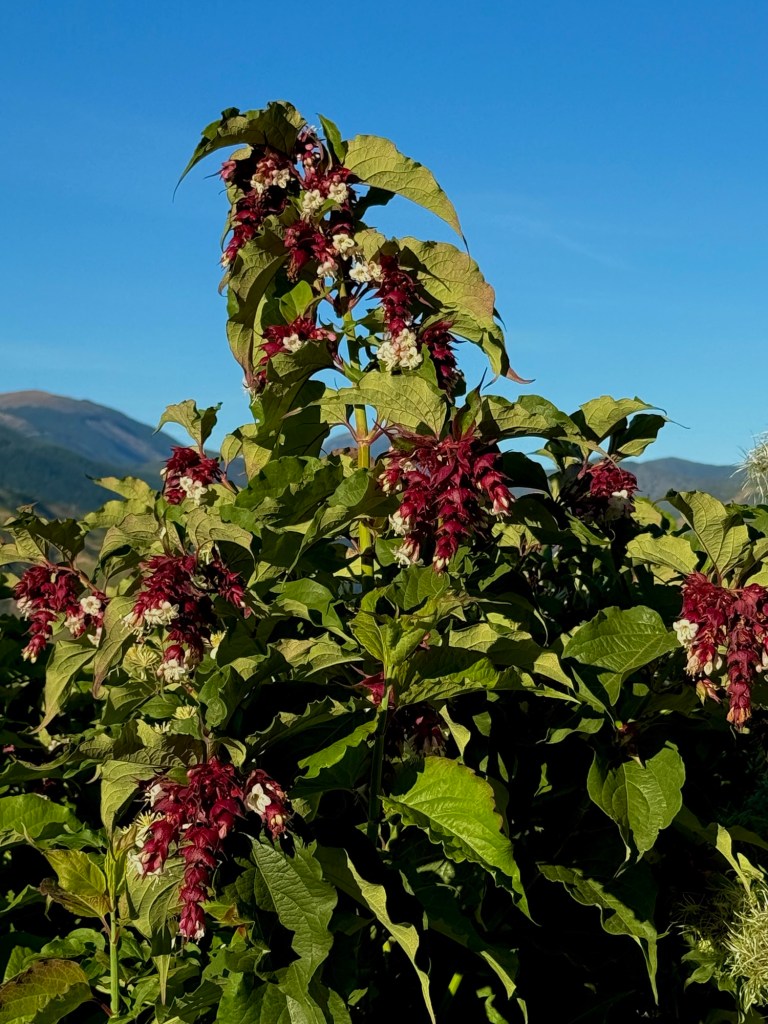
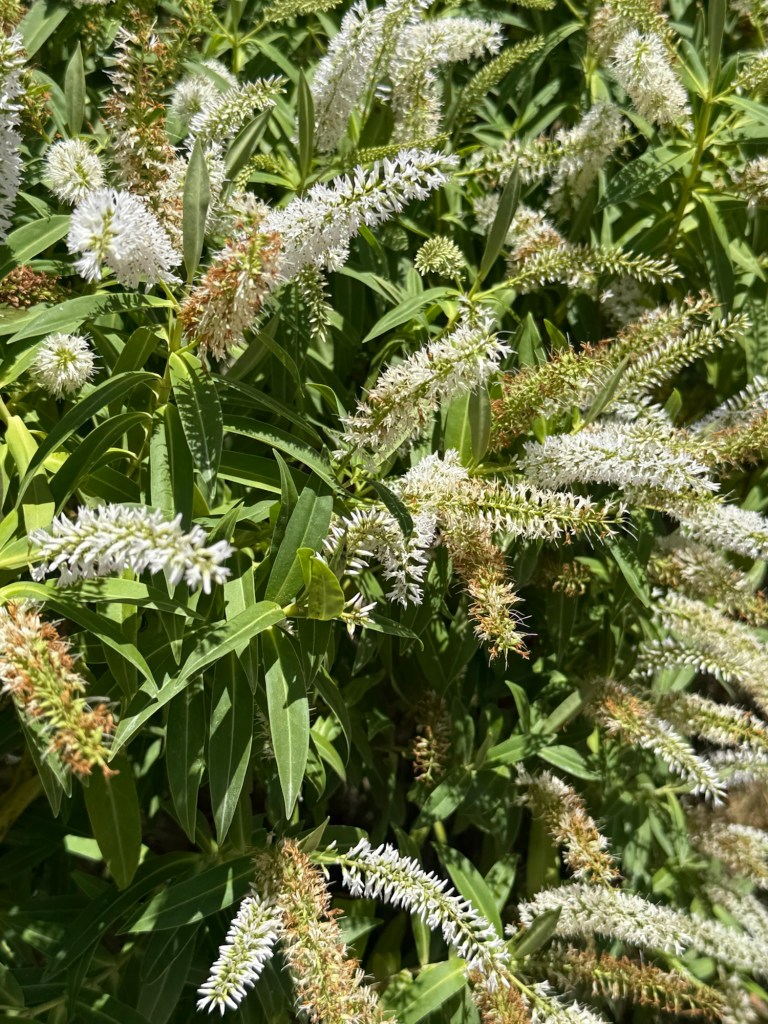
The flowers and plants in this area are remarkable!
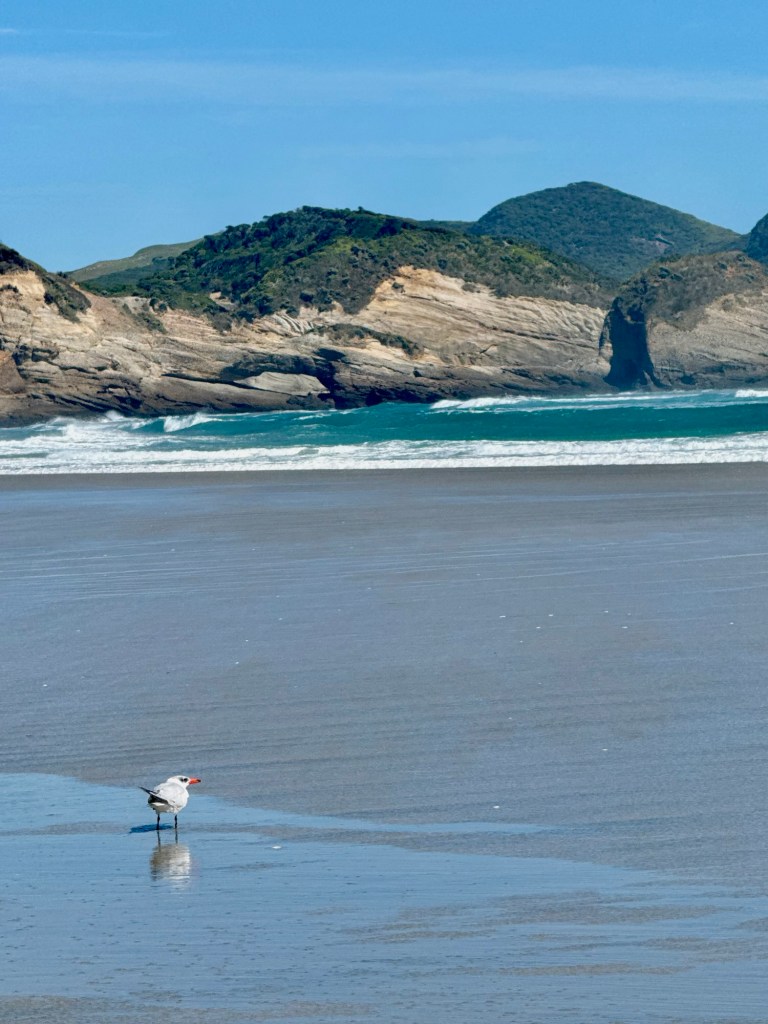
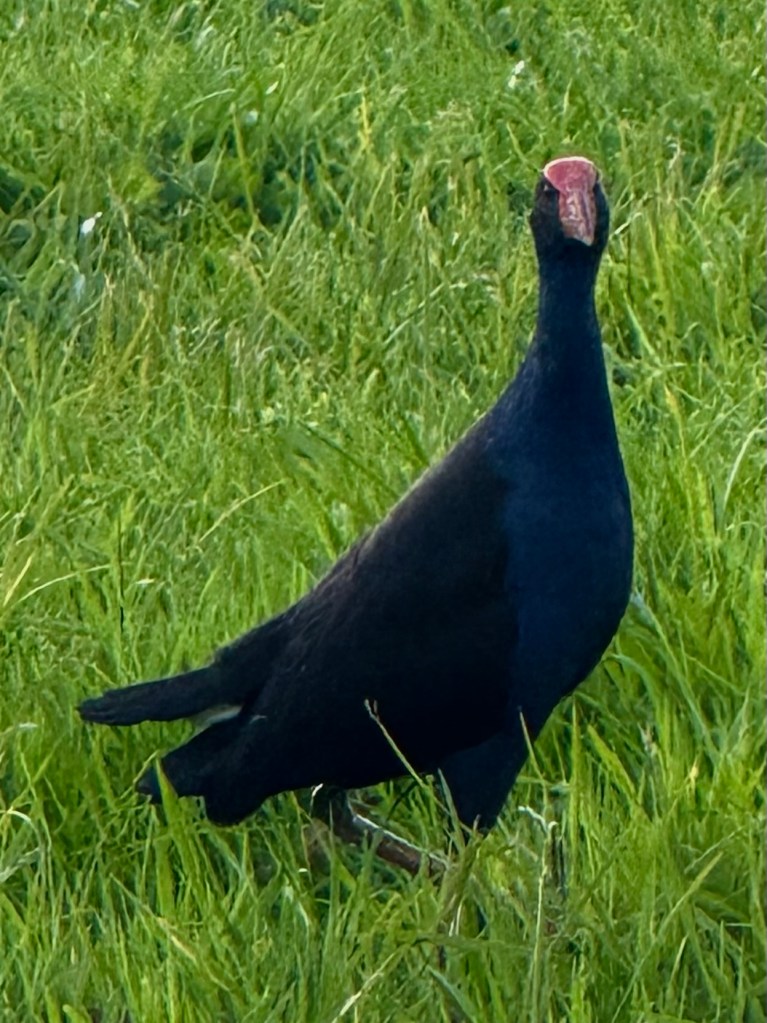
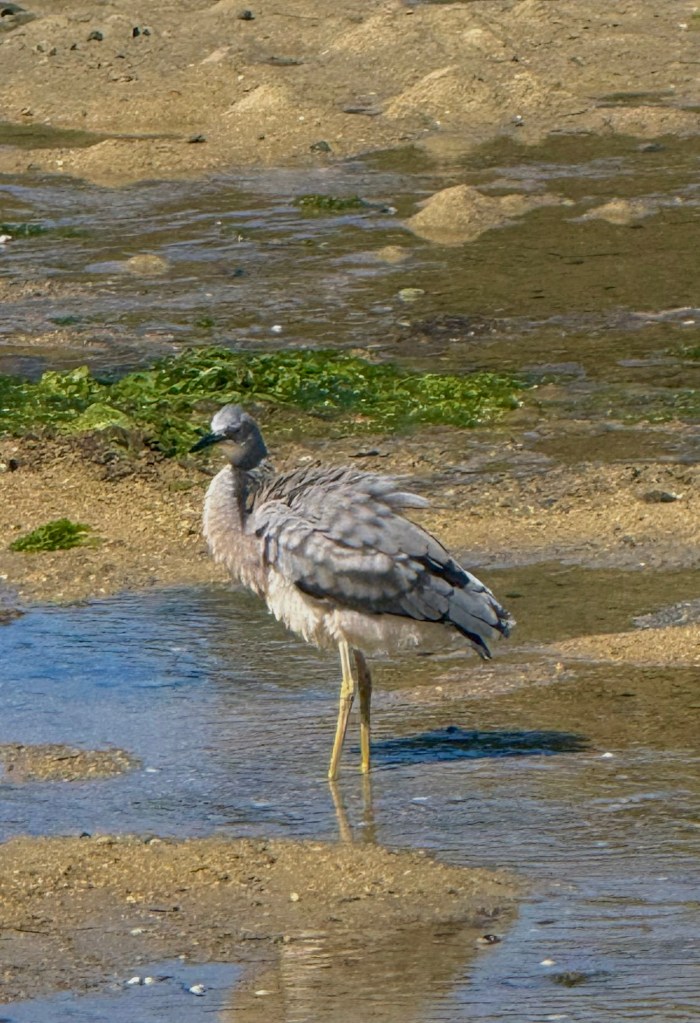
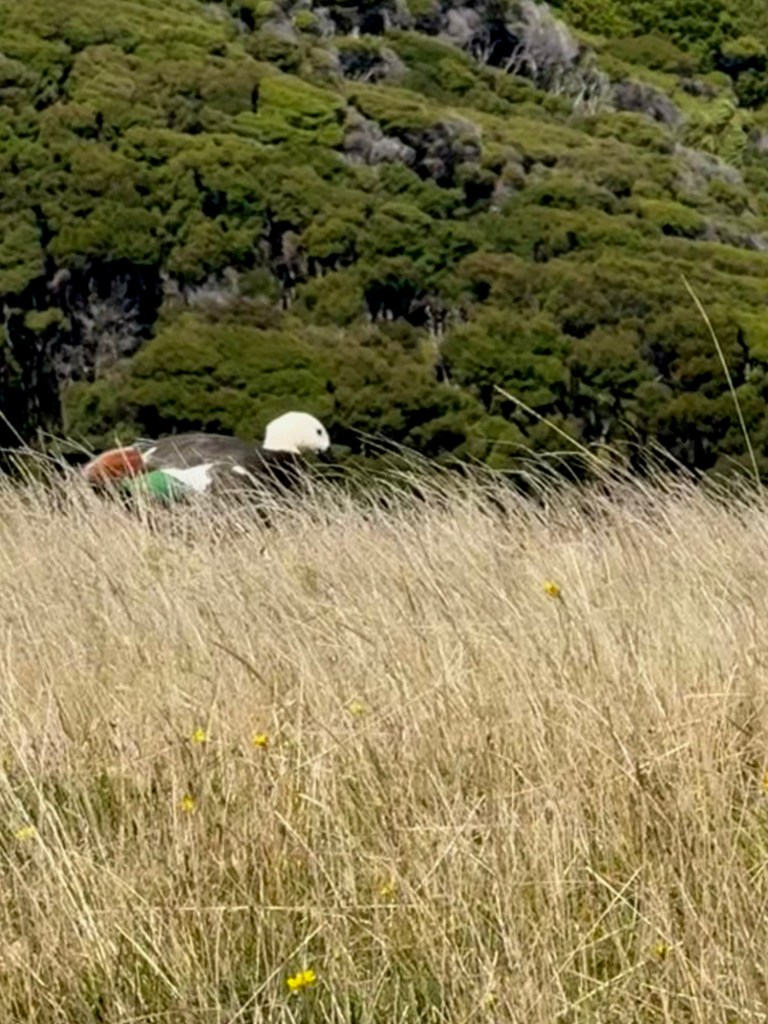
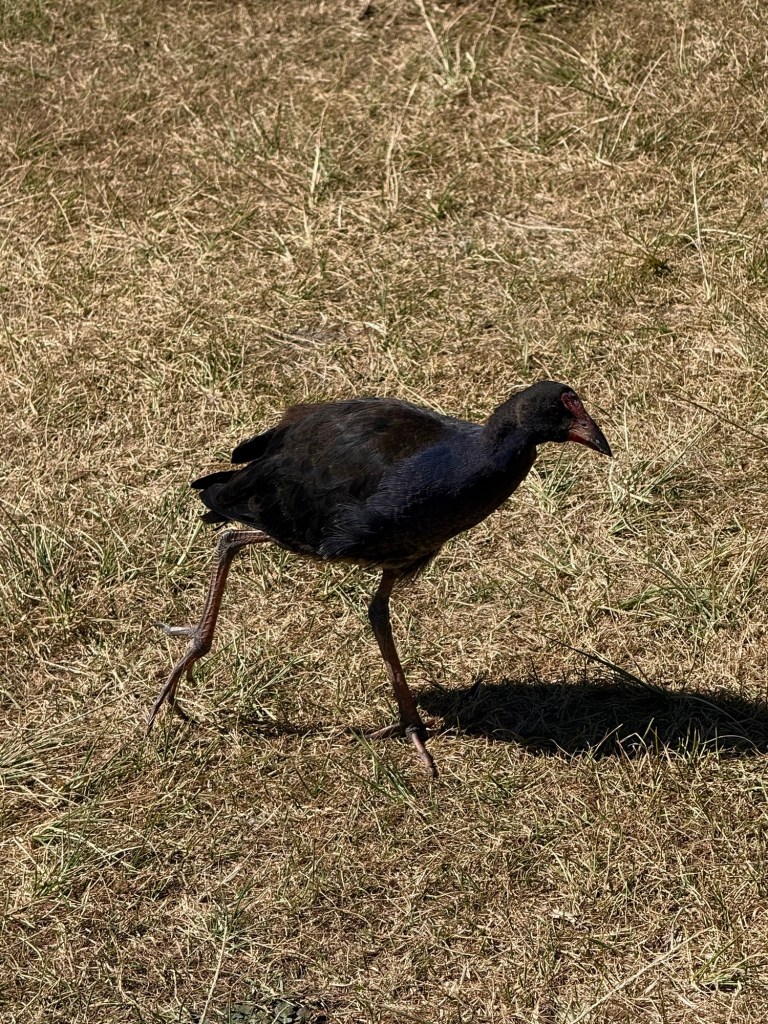
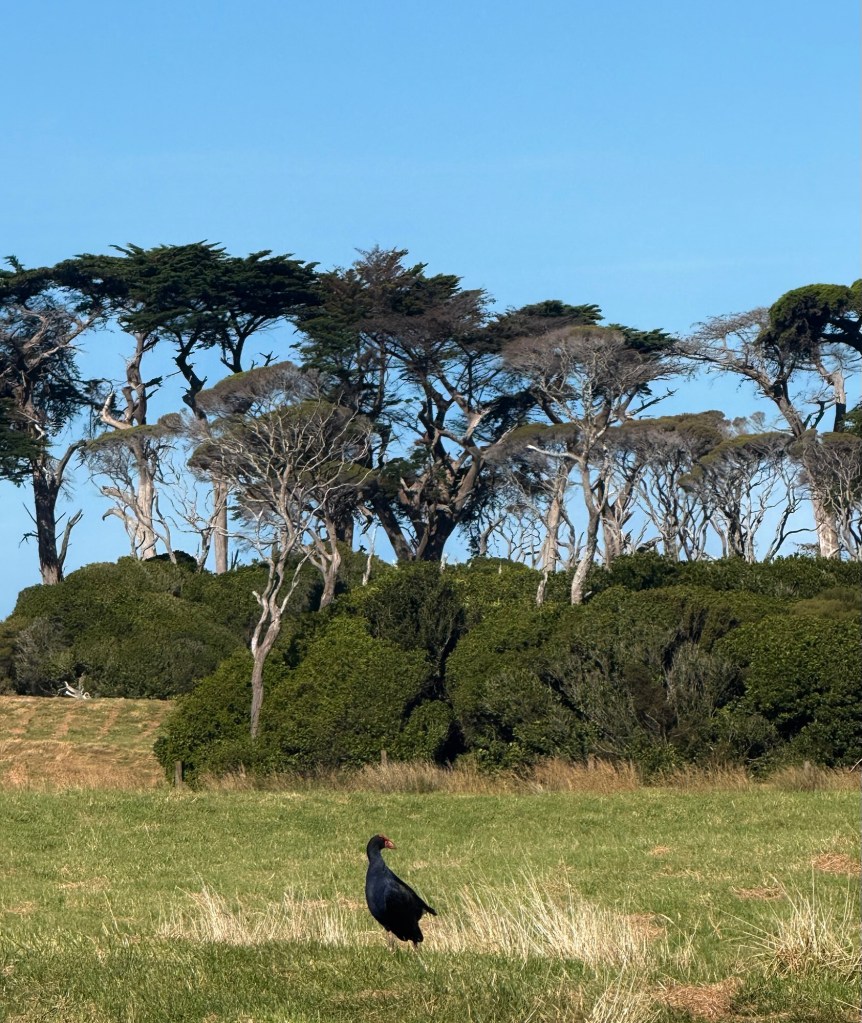
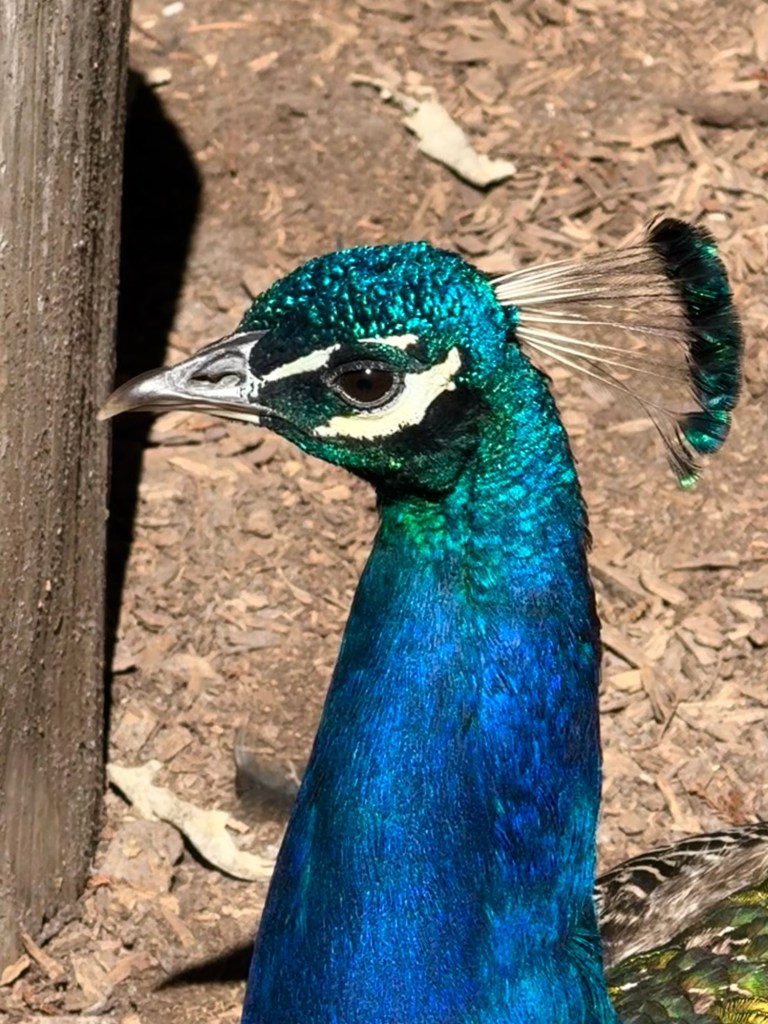
And lots of birds!
 Pete & Lori's Retirement adventures