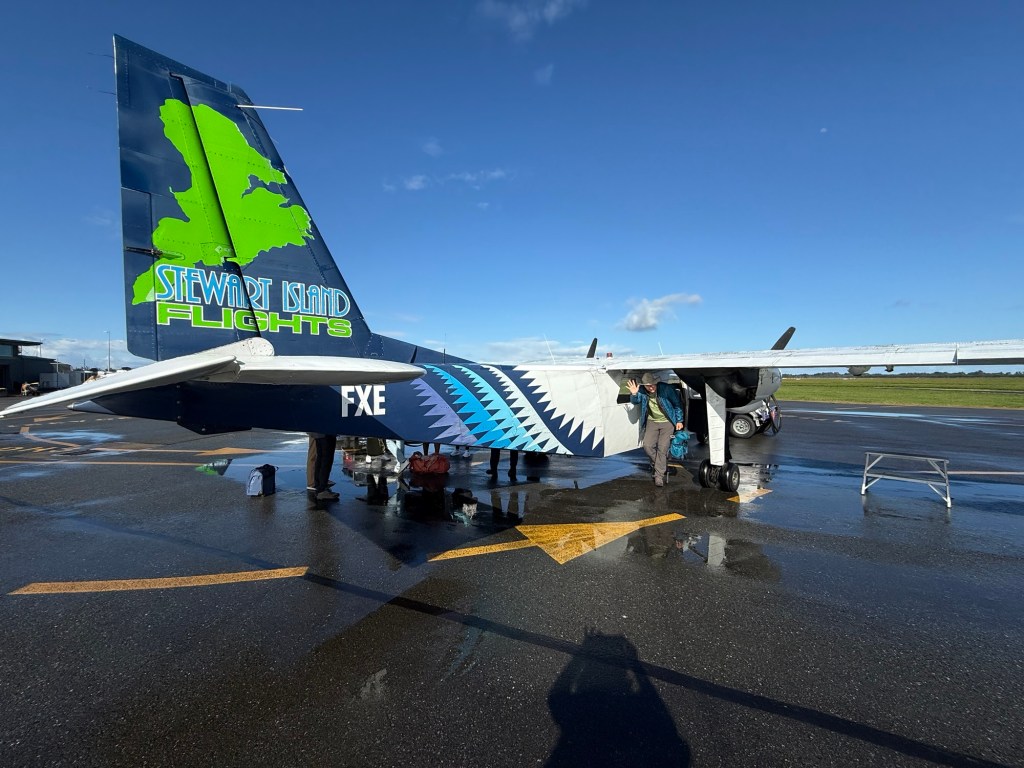
Flying in New Zealand is nothing like flying in the US, and we mean that as a compliment. We left Stewart Island on a sunny morning on the same kind of nine-seater that brought us over, then caught a connecting flight from Invercargill to Christchurch on a prop plane with about fifty seats. There was no real security line to speak of. I had a couple of bottles of wine in my carry-on and nobody blinked. Everyone queued politely, boarded calmly, and that was that. Renting and returning cars works the same way — drop it in the lot, leave the keys in a box, done. The whole system runs on a kind of good-faith handshake that would never survive five minutes in a US airport.
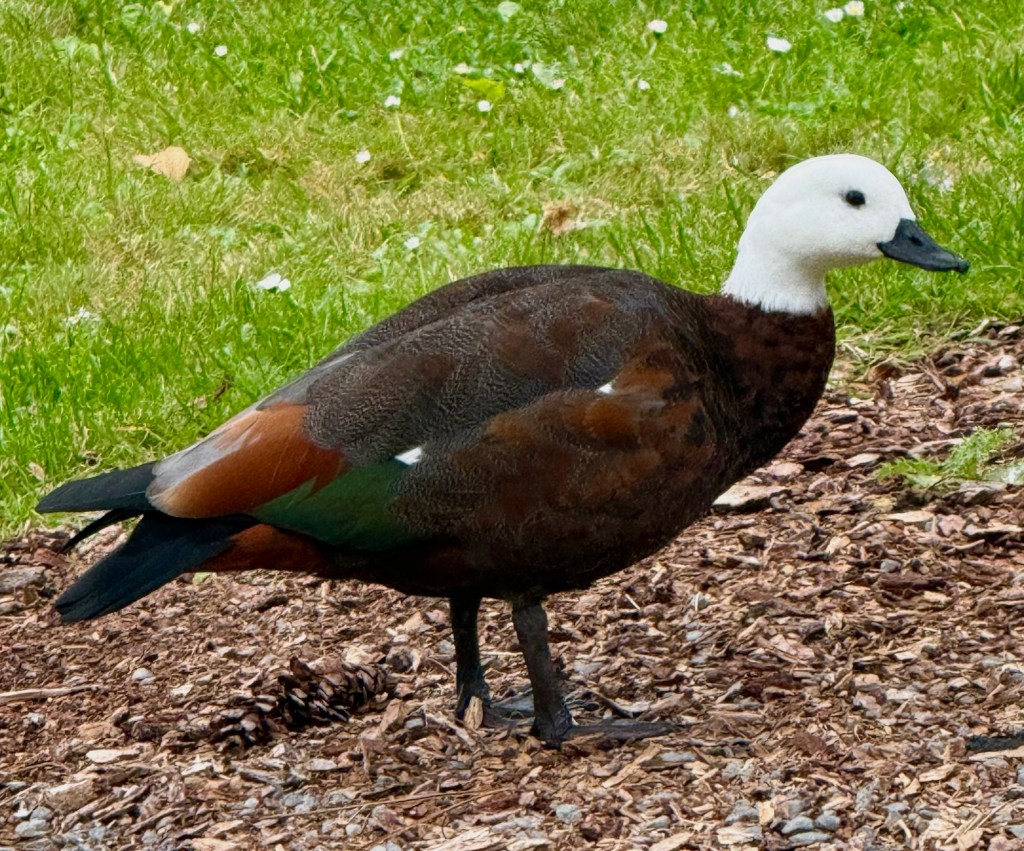
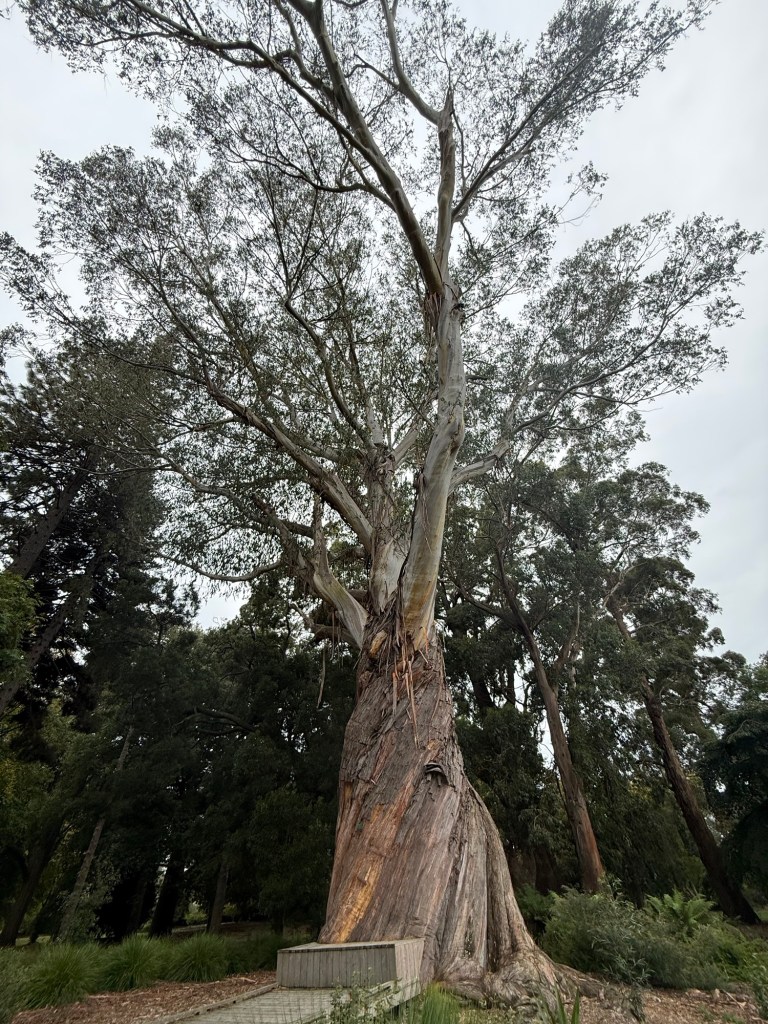
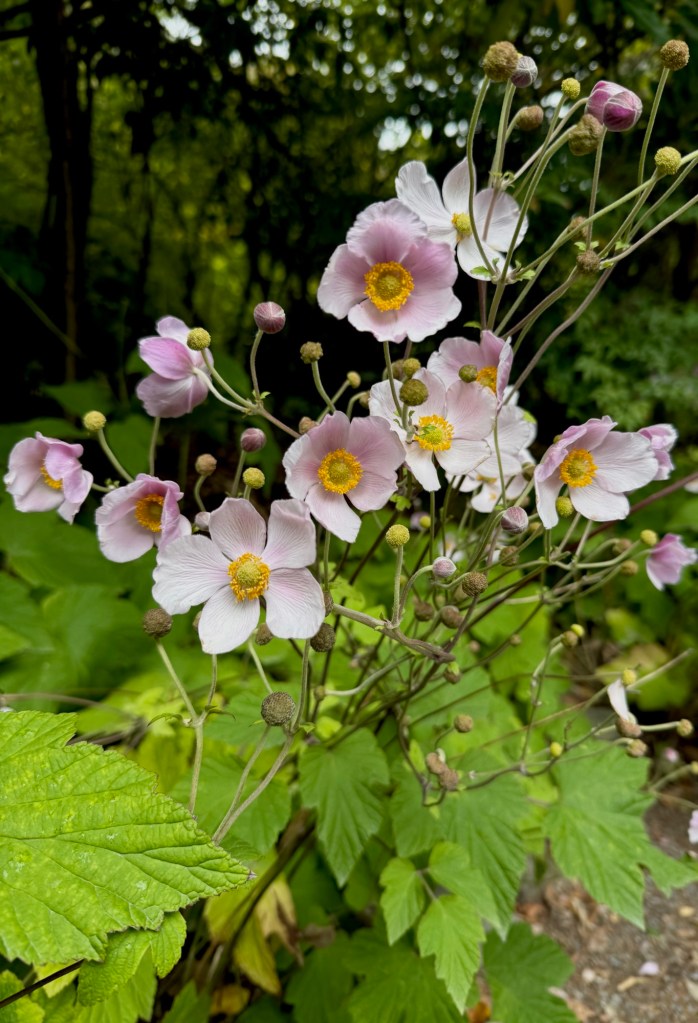
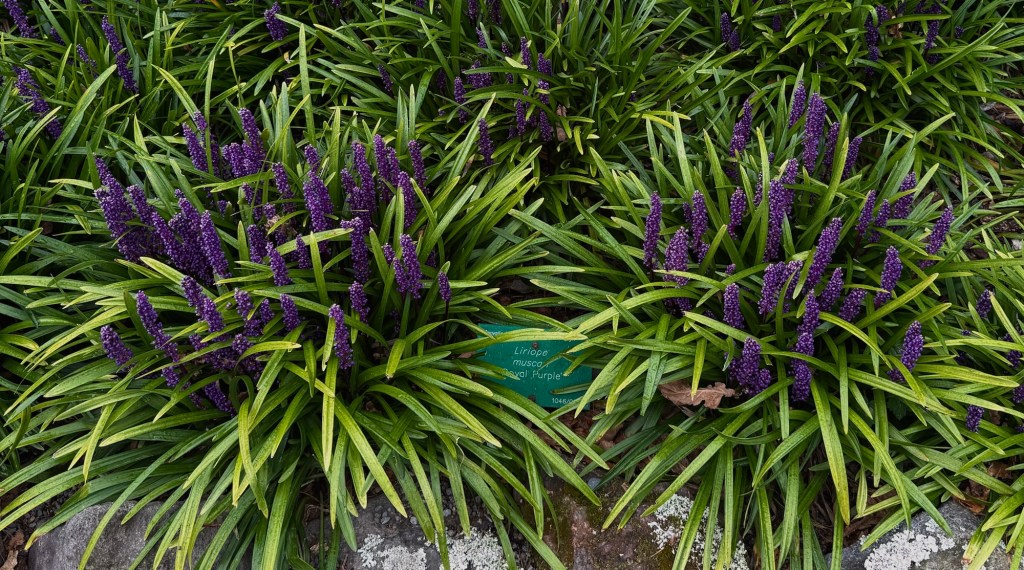
Christchurch gave us a chance to slow down. We checked into our hotel in the central business district, then walked over to the Christchurch Botanic Garden, which turned out to be one of those free things that quietly earns its place as a highlight. The garden dates to 1863, when an English oak was planted to mark the marriage of Prince Albert and Princess Alexandra of Denmark, and it now has over forty species of birds moving through it.
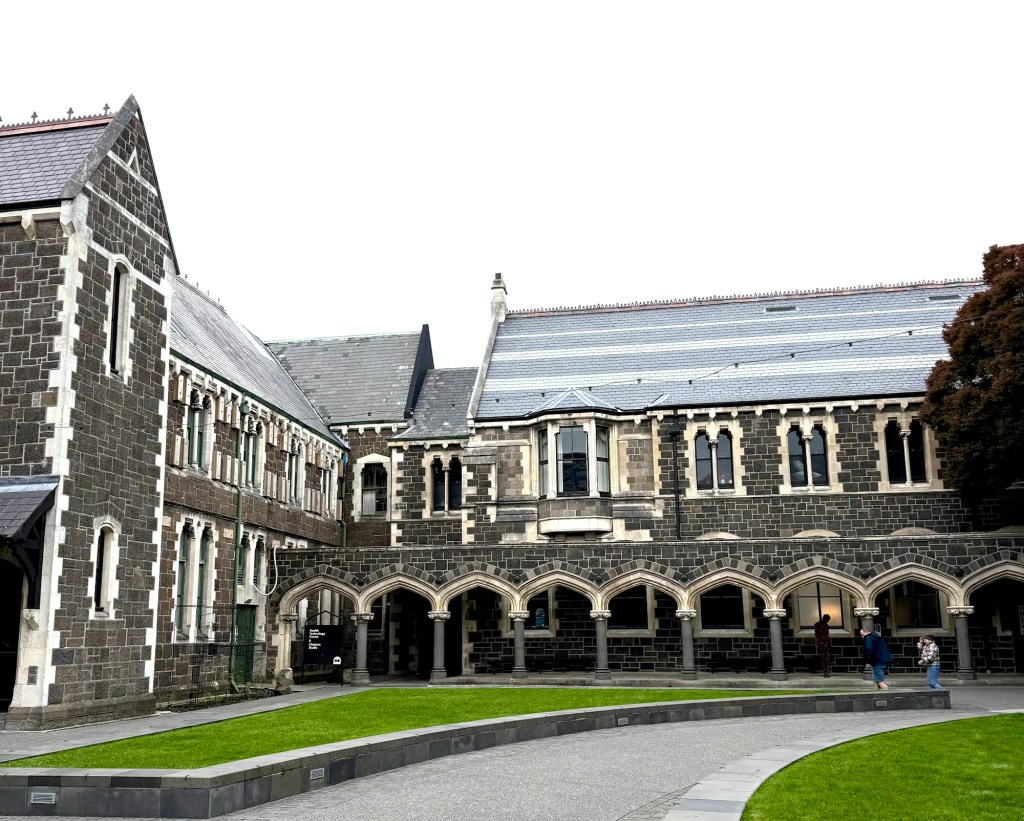
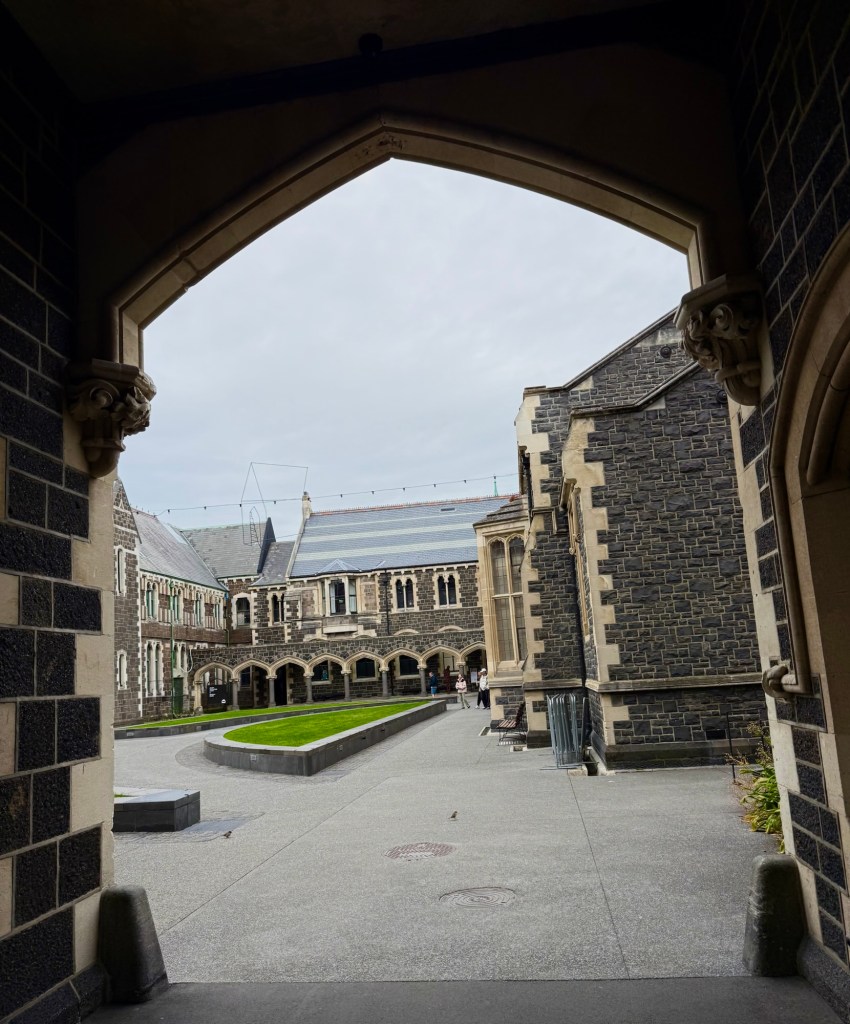
On the way, we passed the Arts Centre — Te Matatiki Toi Ora — housed in what was once Canterbury College. It’s New Zealand’s largest collection of heritage buildings, and many are still being carefully rebuilt after the 2011 earthquake. Seeing scaffolding wrapped around Gothic stone buildings is a strange sight, but also a reminder that the city is still finding its feet.
We had a good dinner out using First Table, an app that offers fifty percent off at participating restaurants during early sittings — worth downloading if you’re headed to New Zealand — and got to bed early, because the next day called for an early start.
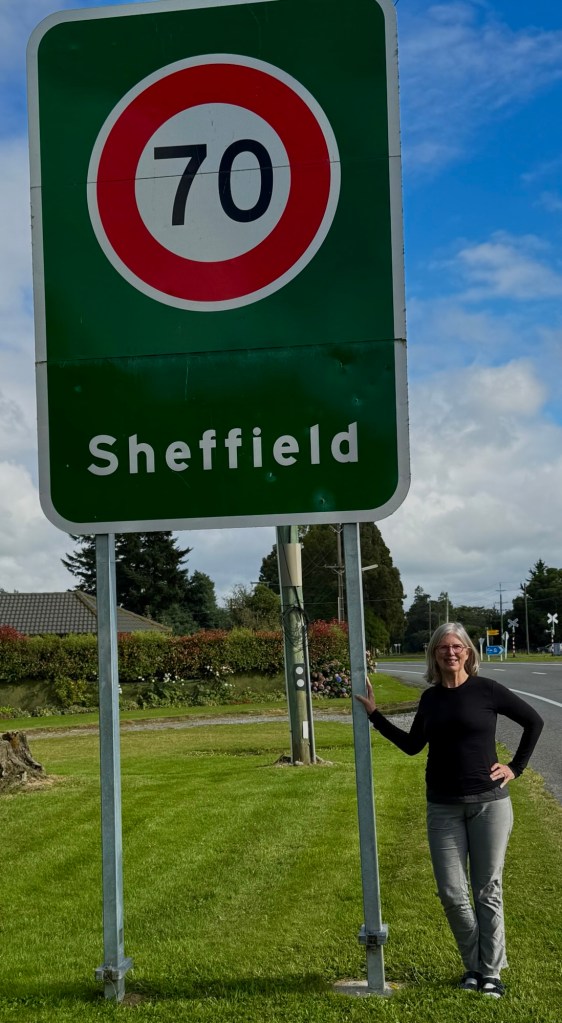
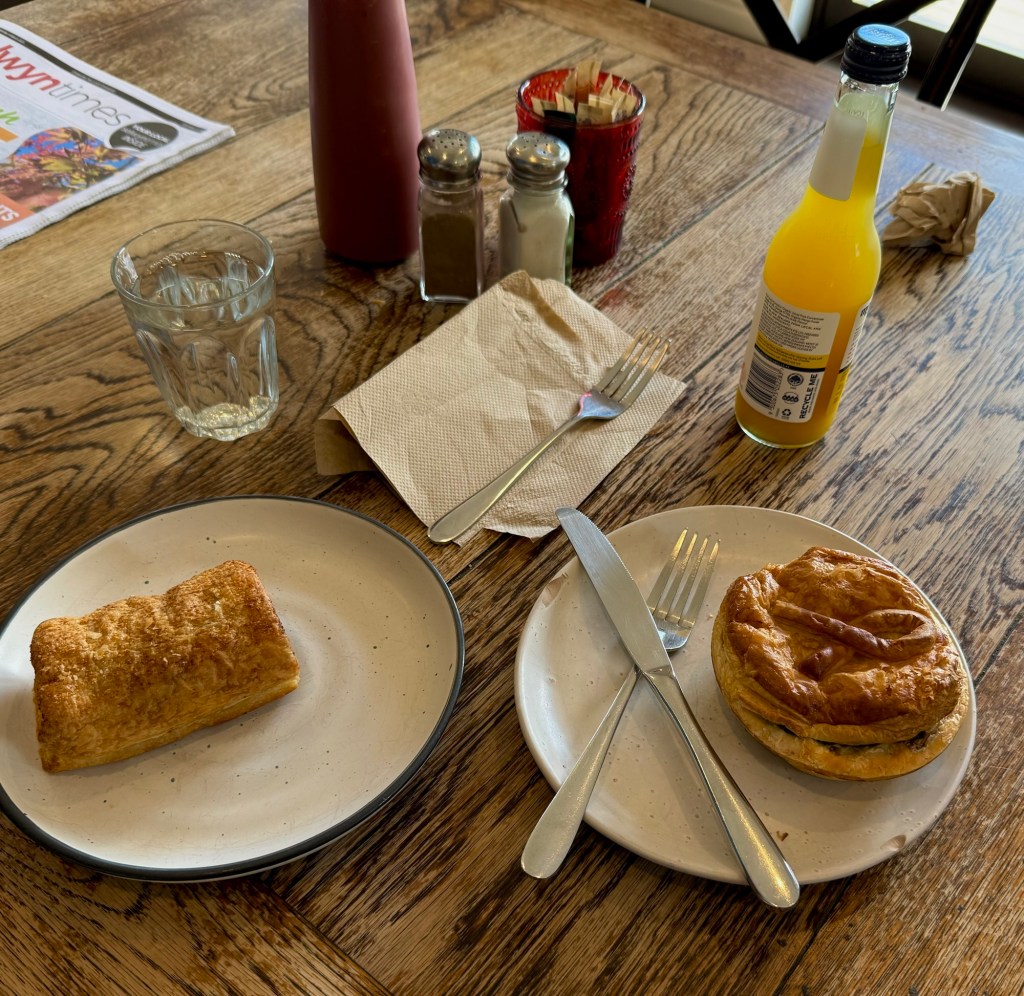
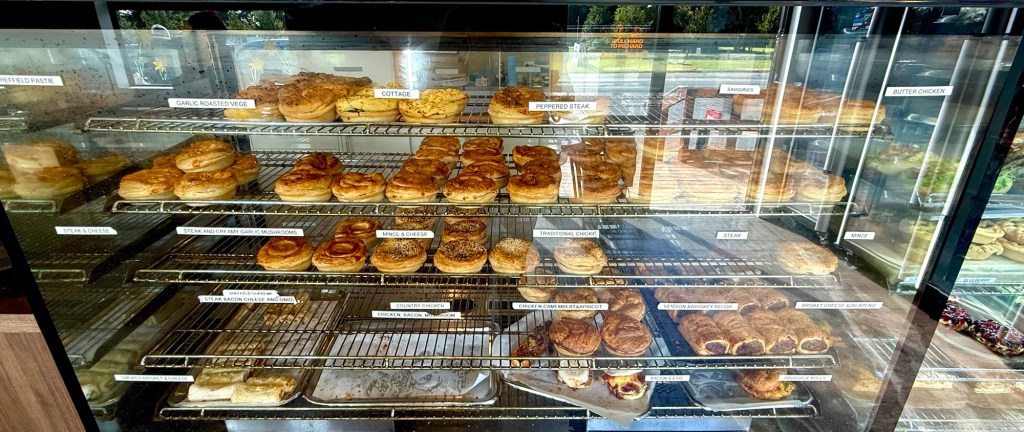
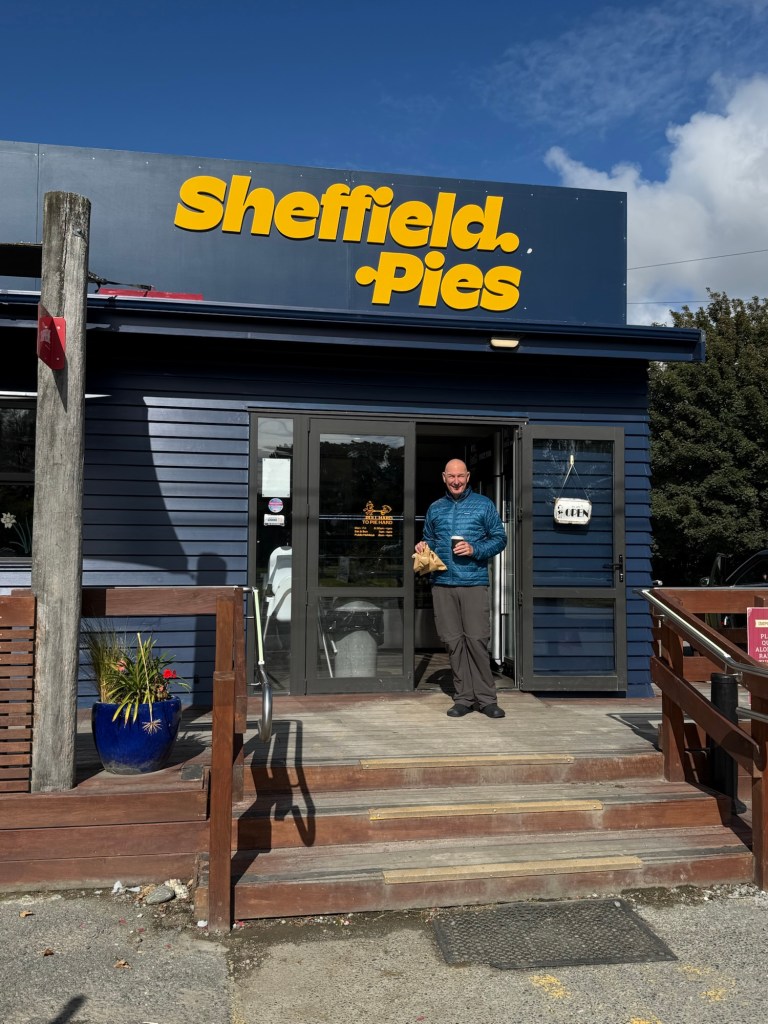
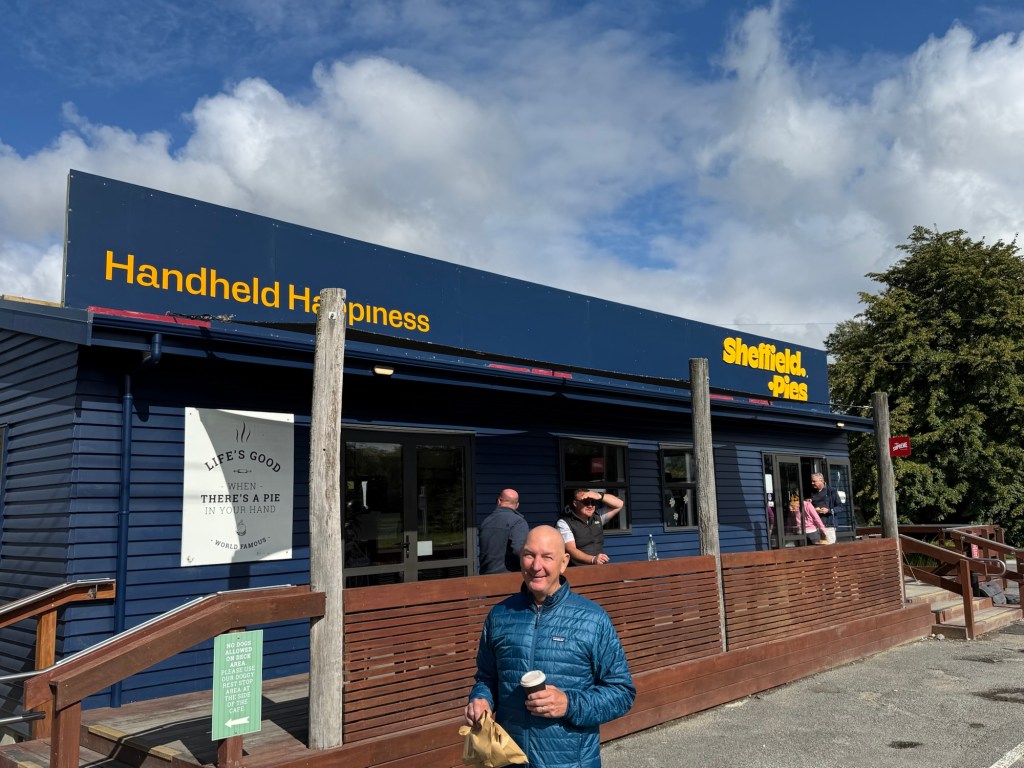
Arthur’s Pass was on the agenda, and we had a stop bookmarked before we even left town. Sheffield, New Zealand — yes, there is one, and yes, we had to go — is home to the World Famous Sheffield Pie Shop, which has been turning out award-winning pies since the mid-1970s. Over twenty varieties, meat and fruit, with a pastry that people apparently drive out of their way for. We can confirm the reputation is deserved. We also discovered the caramel slice — a chocolate-topped caramel bar — and someone needs to share that recipe with us immediately.
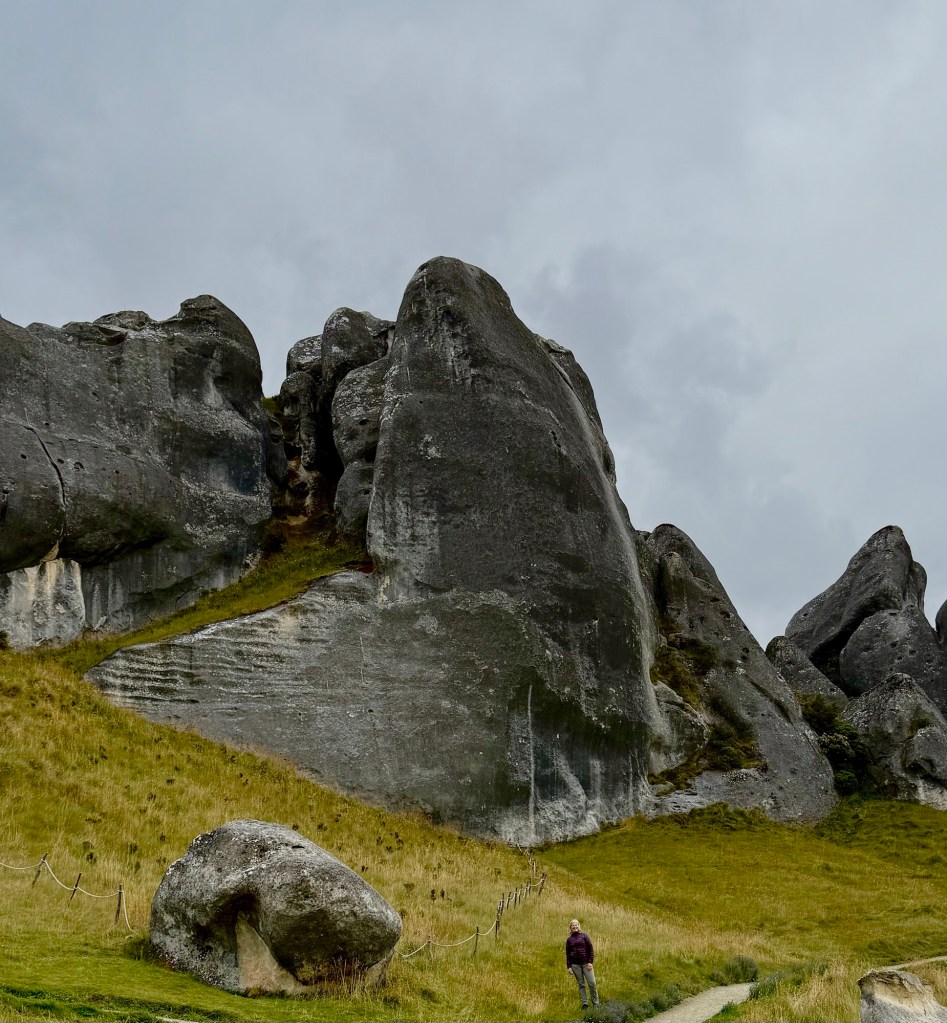
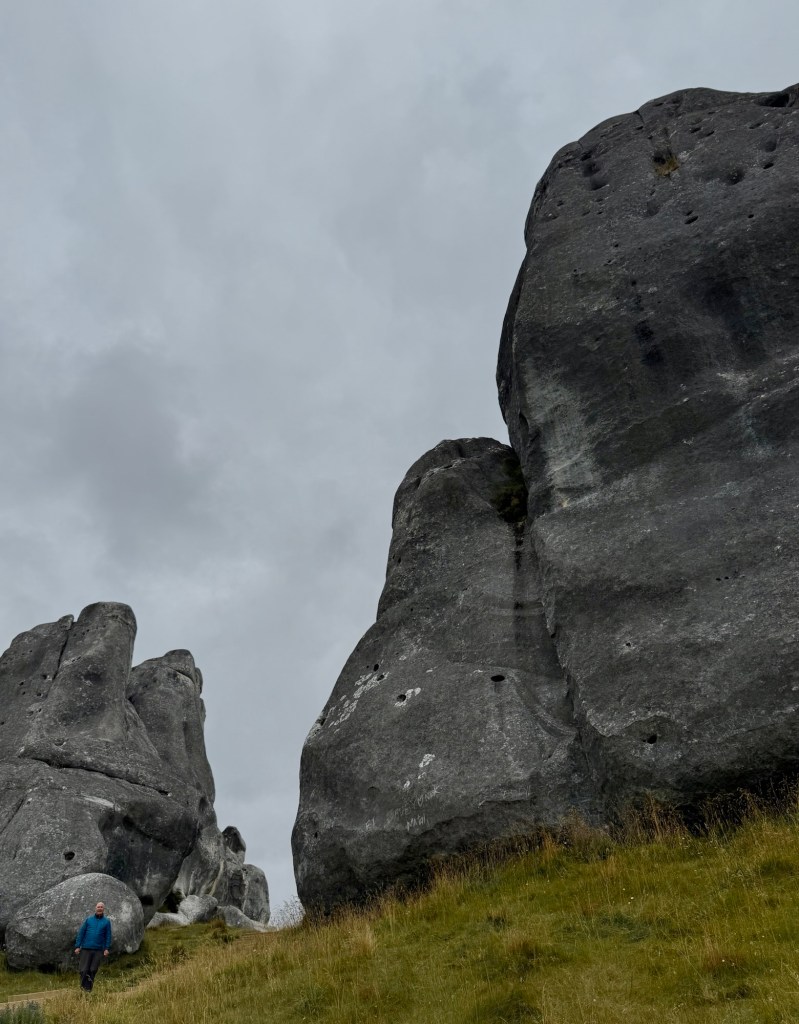
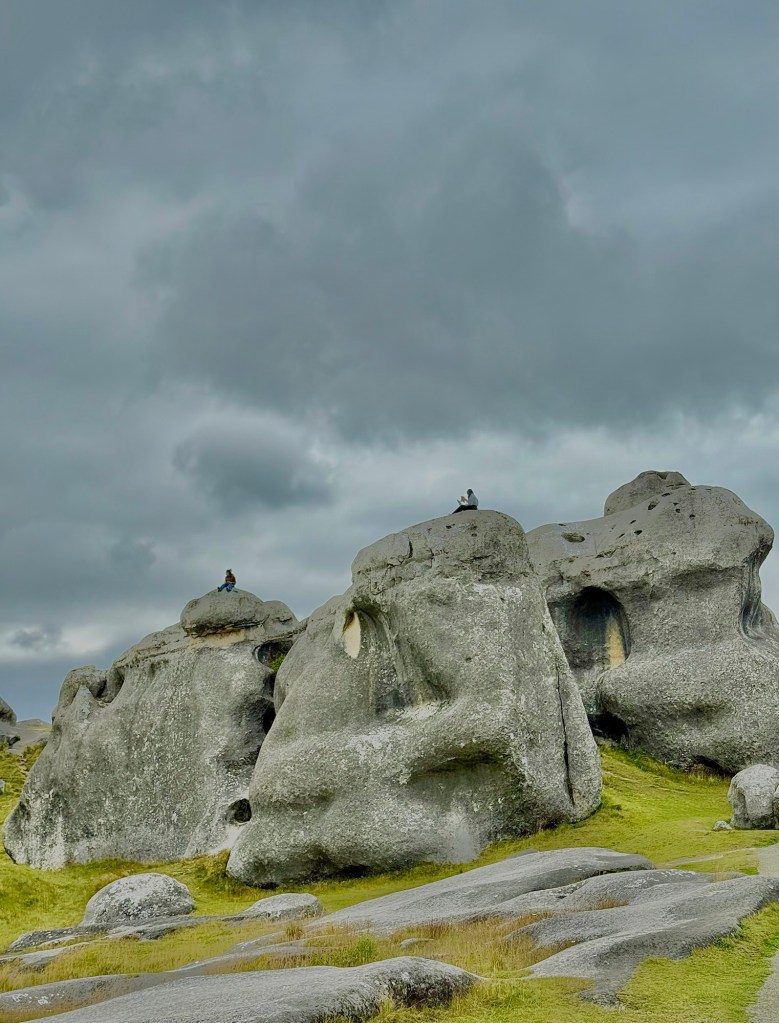
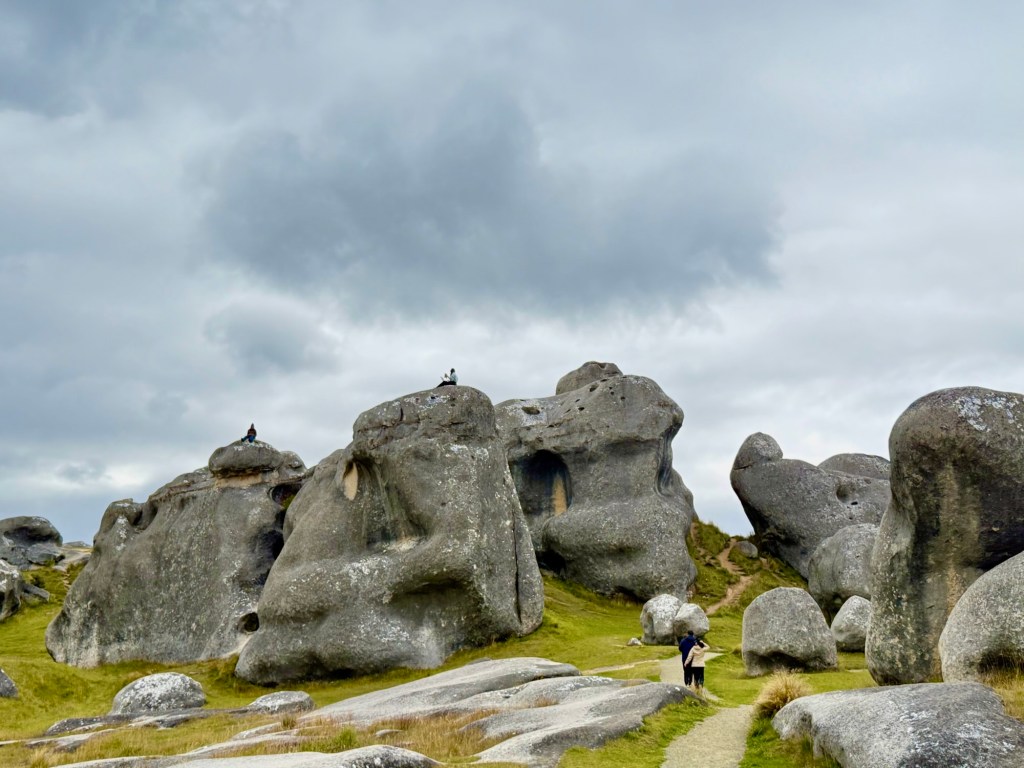
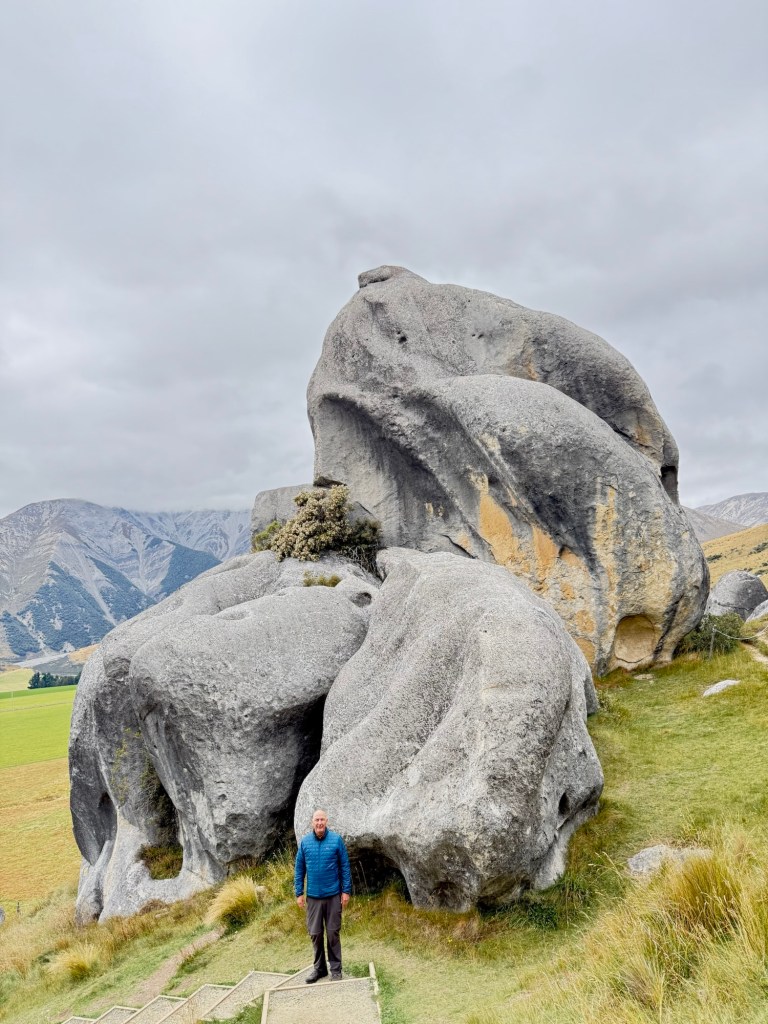
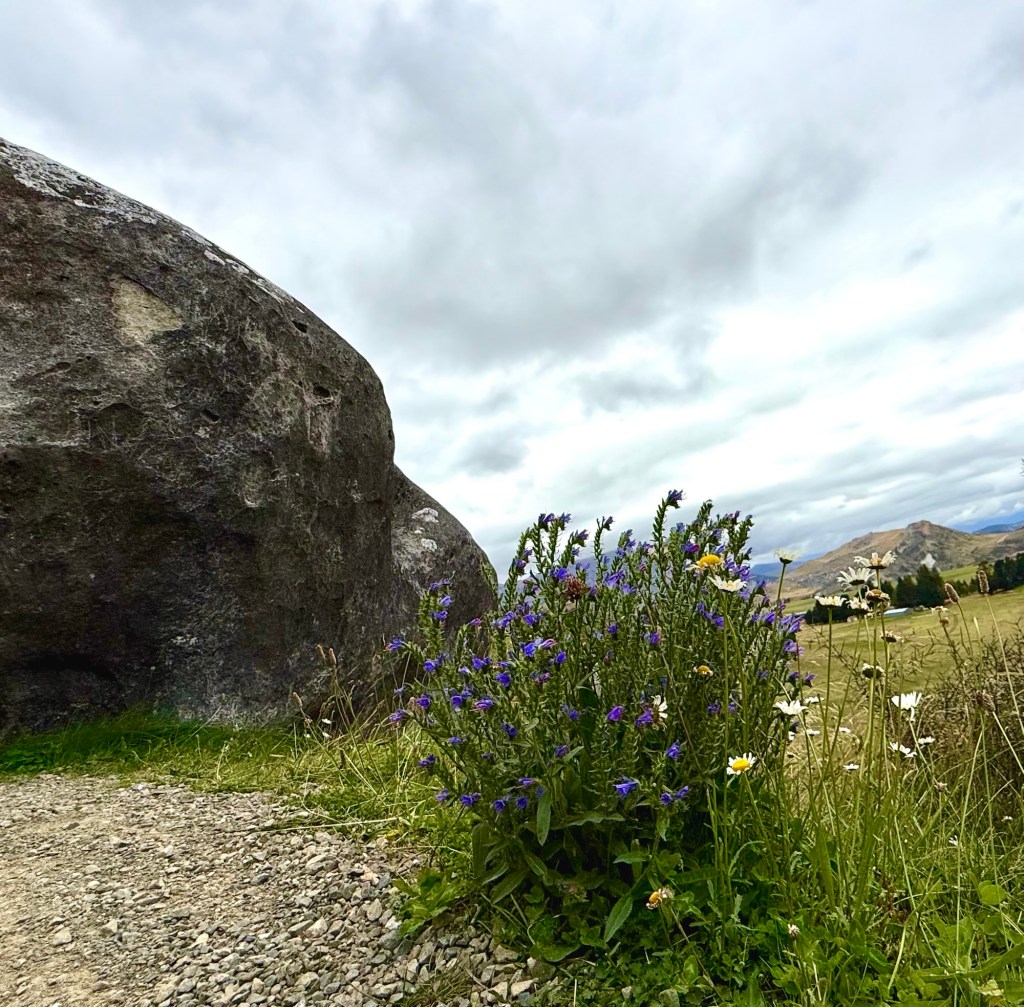
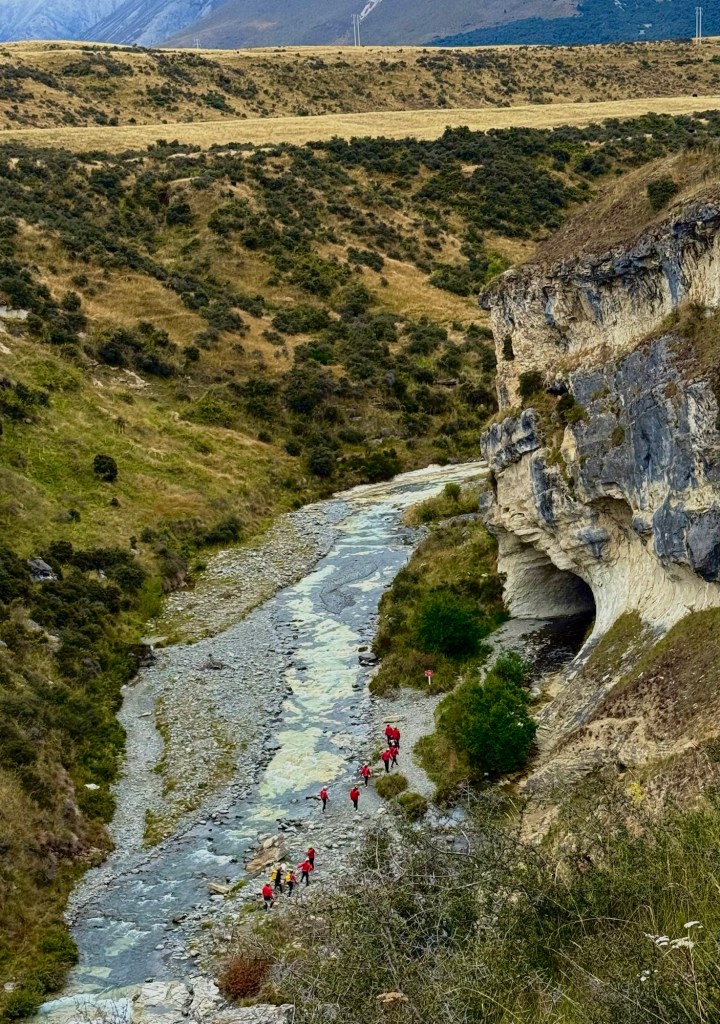
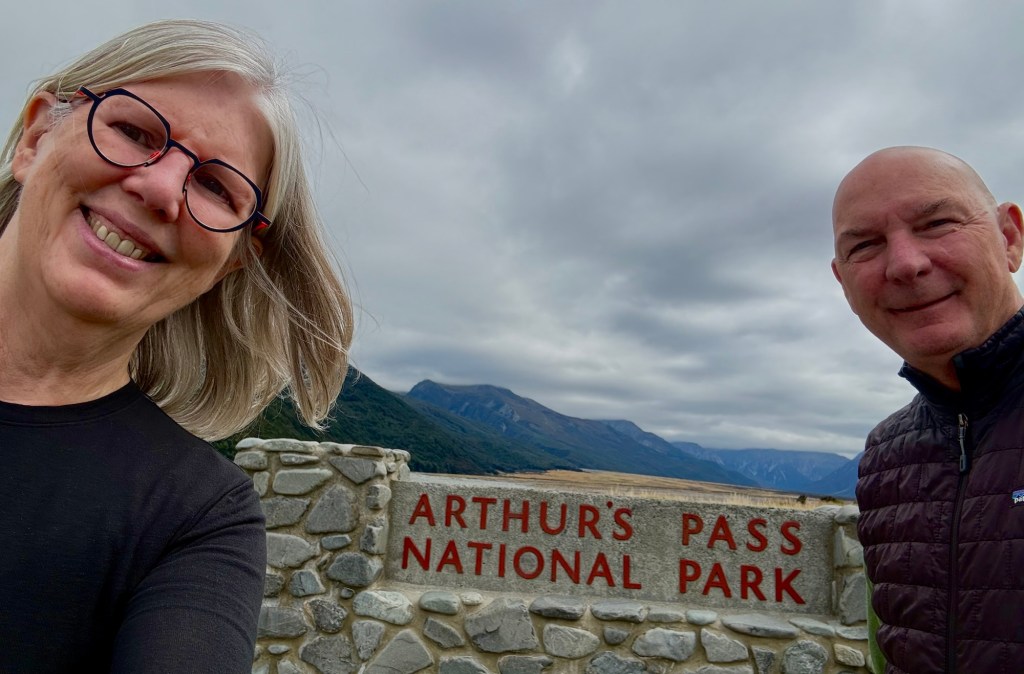
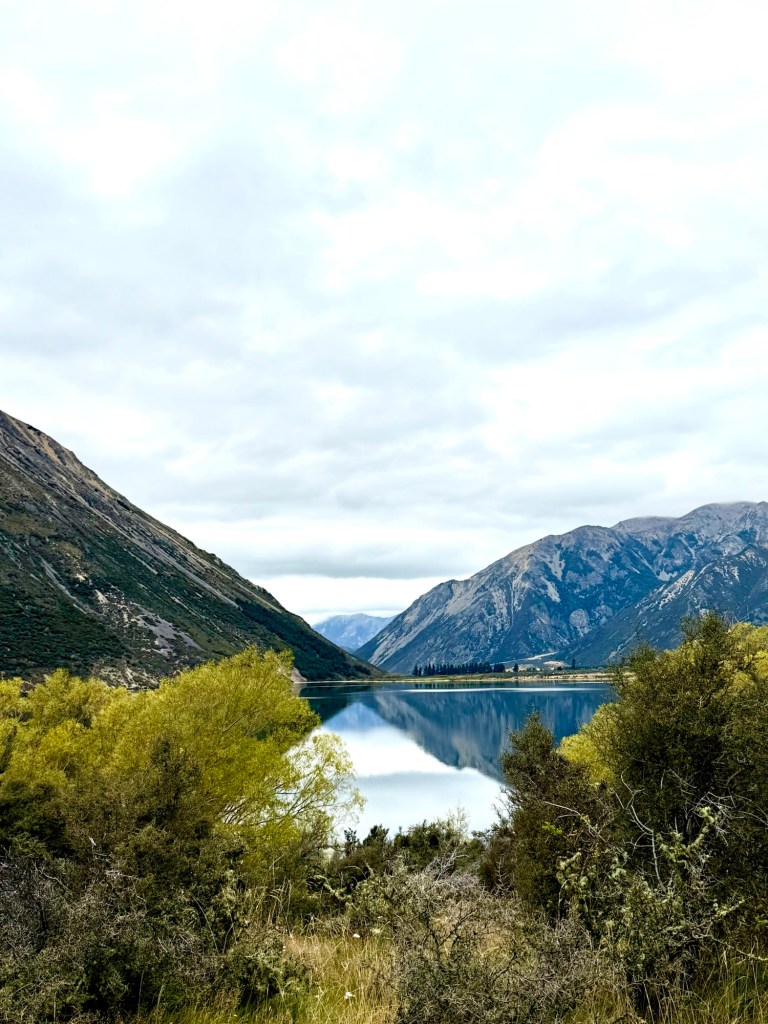
Arthur’s Pass is the highest road crossing of the Southern Alps, and the drive earns it. The first major stop was Kura Tāwhiti, also known as Castle Hill — giant limestone formations rising out of the tussock in clusters, some up to fifty meters high. It looks like a set designer’s idea of a fantasy landscape, and it apparently struck Peter Jackson the same way, since scenes from the Chronicles of Narnia were filmed here. But the real story is botanical. This is the site of the first reserve in New Zealand established specifically to protect a single plant — the Castle Hill buttercup, with only 67 known plants in existence, all of them here. The reserve also shelters limestone wheatgrass and a tiny sedge found nowhere else on earth. The rocks are extraordinary, but knowing what’s growing quietly around your feet makes it a different kind of walk.
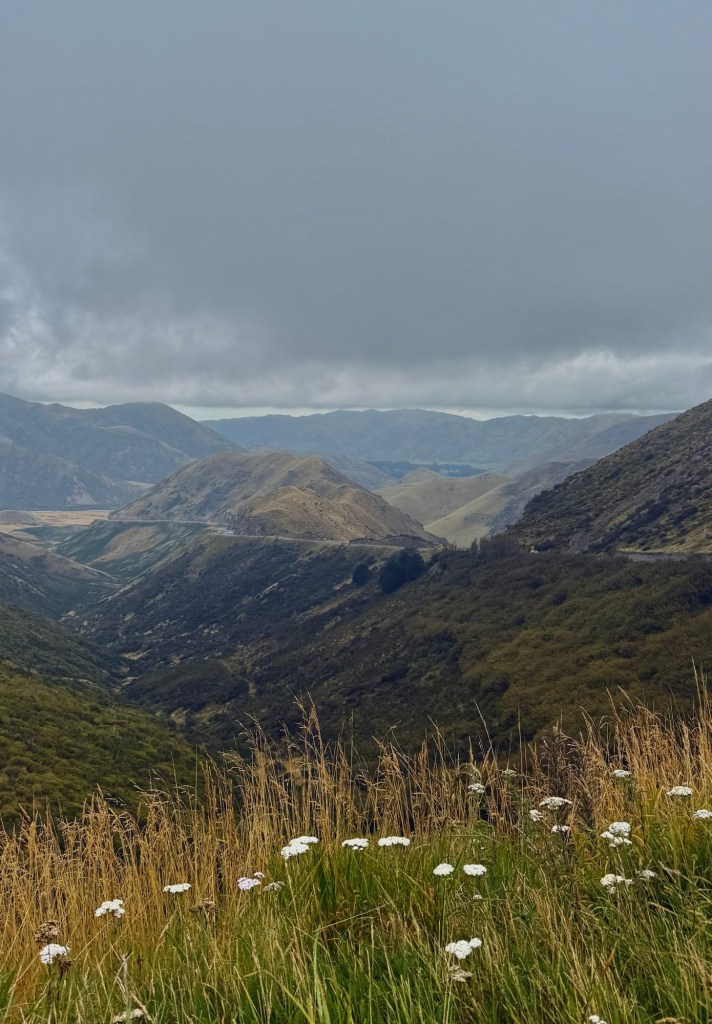
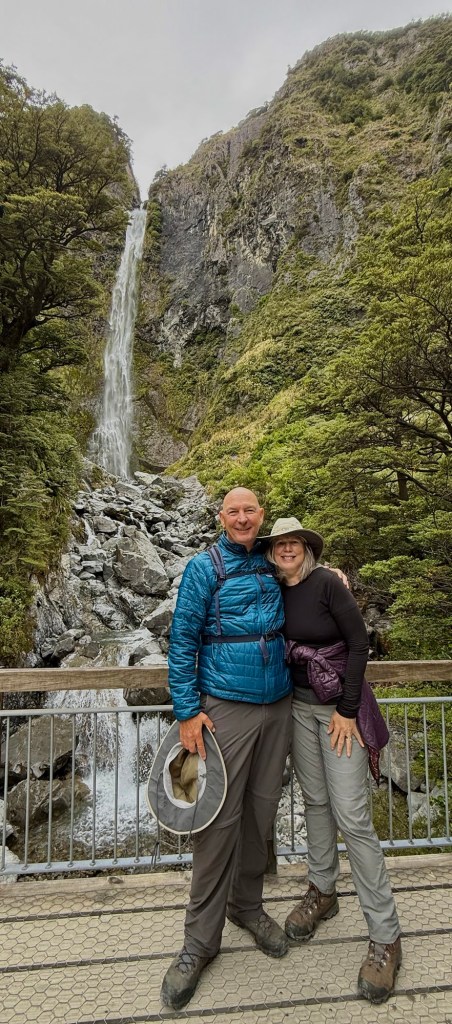
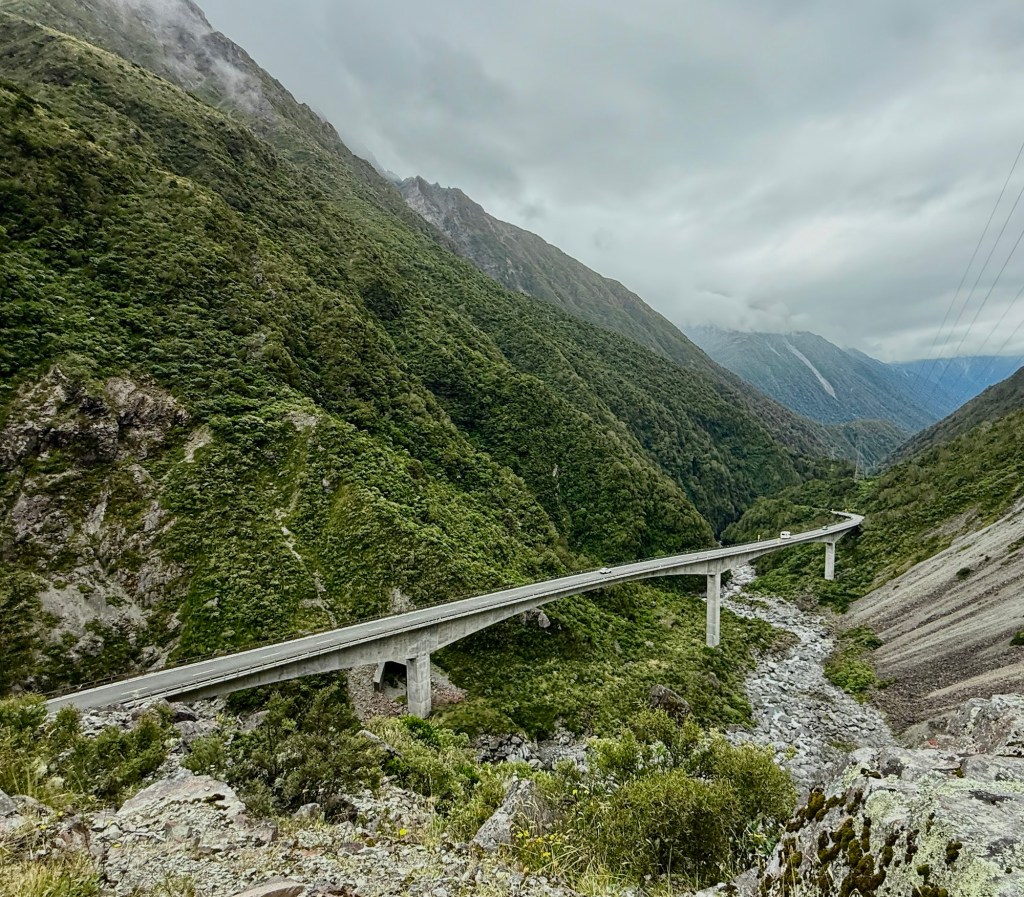
Further along, we stopped at the Devil’s Punchbowl — a nearly 400-foot waterfall reached by a short track from the road — then continued to the Otira Viaduct lookout. The viaduct itself, completed in 1999, is 440 meters long and replaced a section of road through the Otira Gorge that was prone to avalanches and closures. Standing at the lookout above it, the whole gorge opens up below you and the bridge looks almost elegant for something built entirely out of engineering necessity. It’s the kind of stop that sneaks up on you.
We took the rest of the crossing at a relaxed pace, pulling over when something caught our eye, and arrived in Hokitika on the West Coast in the late afternoon. This would be home for the next several days.
 Pete & Lori's Retirement adventures