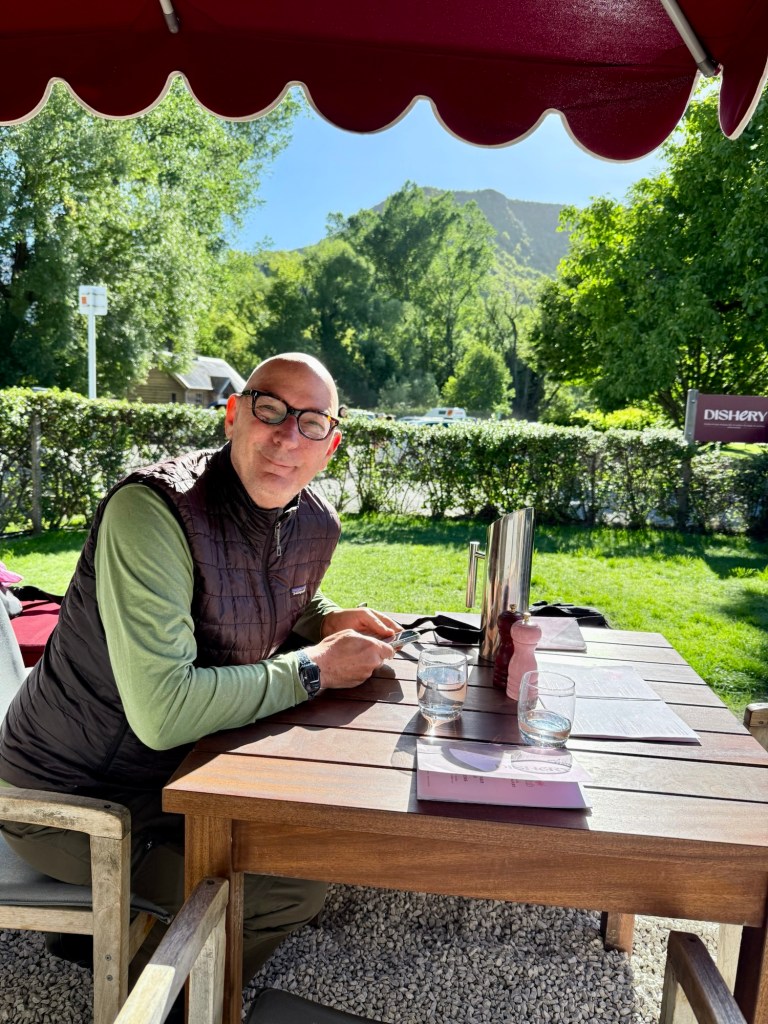
Leaving Glenorchy, we wound our way through the Otago region and into Canterbury, with a lunch stop in Arrowtown — a charming gold rush town from the 1860s that has aged beautifully. The First Table app scored us fifty percent off at Dishery, a fun spot with a perfect window seat for watching locals stream past toward the Saturday market near the library. We could have stayed all afternoon.
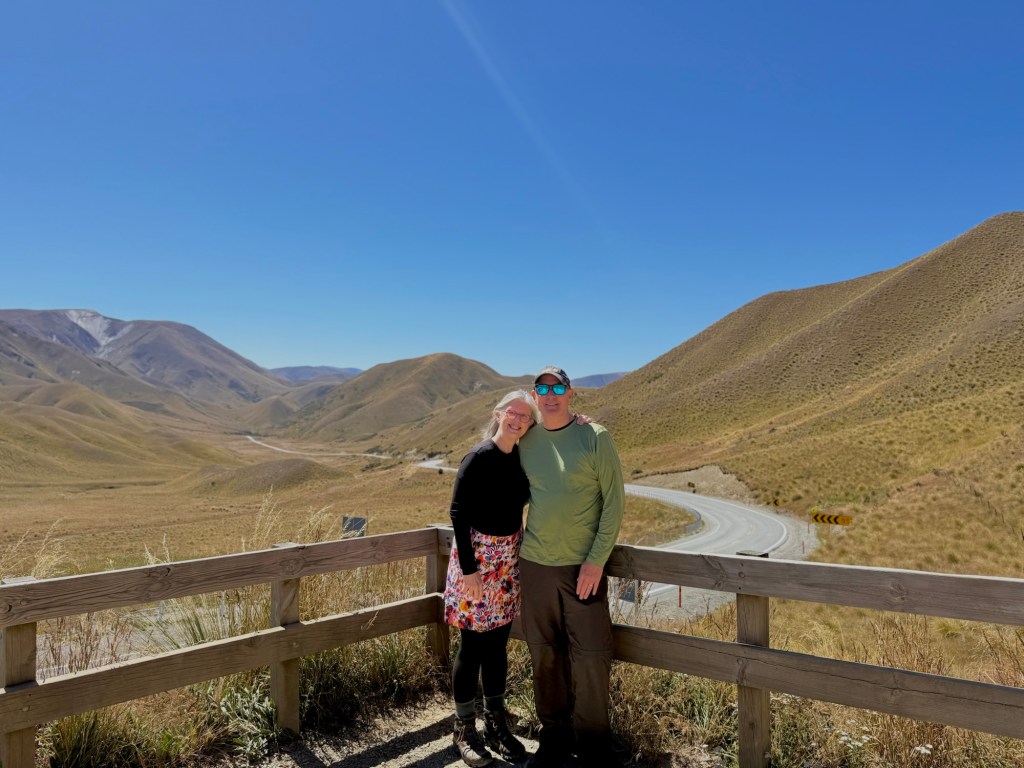
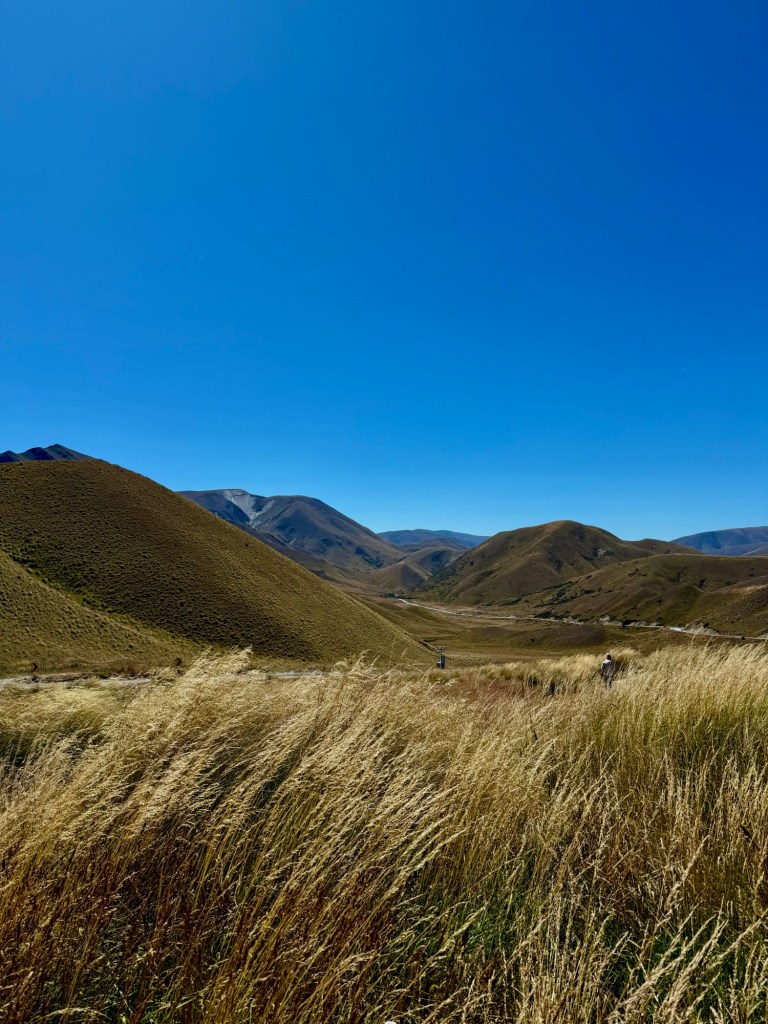
The drive through Lindis Pass stopped us in our tracks more than once. At high altitude, the landscape opens into something almost lunar — tussock-covered hills rolling for miles in every direction, brown and gold and enormous, with a single highway cutting through the middle. It is the kind of scenery that makes you pull over just to stand in it for a minute.
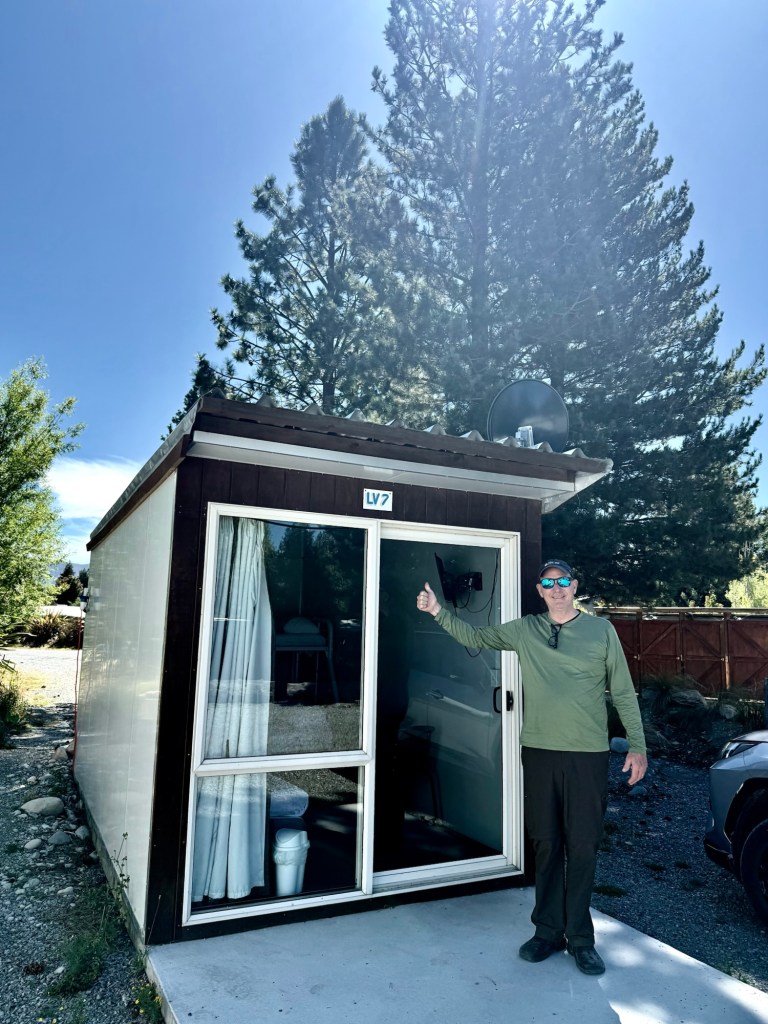
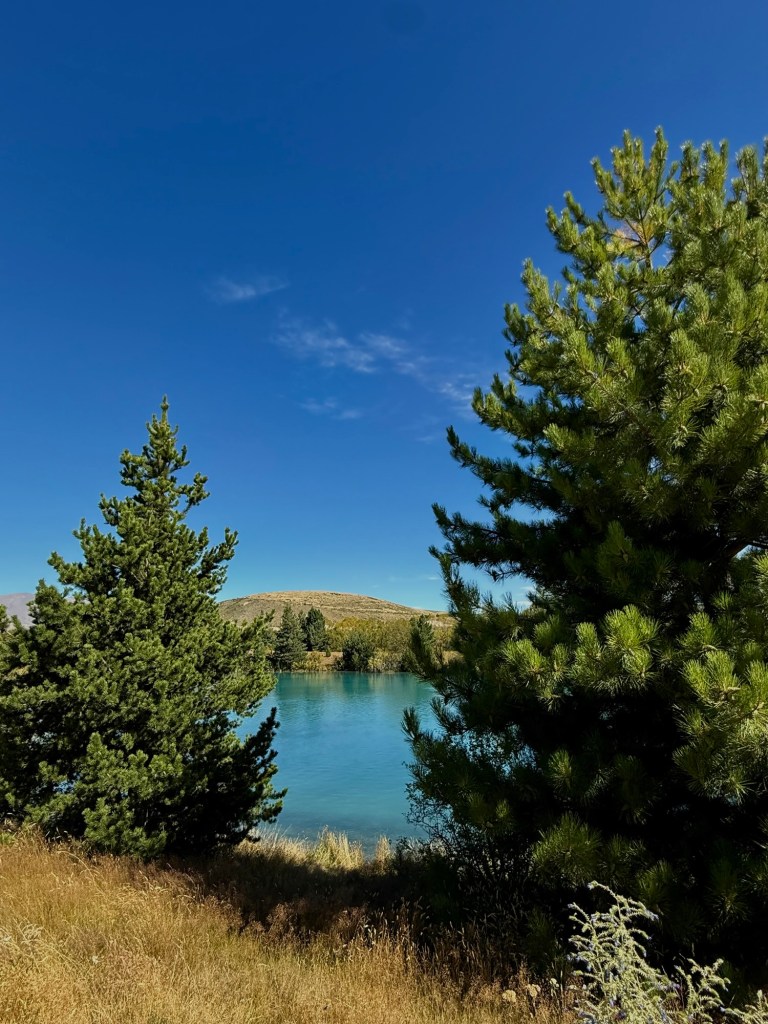
We settled into Twizel at the Lake Ruataniwha Holiday Park, which we will describe generously as no-frills. Our shipping container had three beds and shared bathrooms, and honestly it didn’t matter one bit. The lake just outside was a stunning glacial blue, and we were four minutes from High Country Salmon, a salmon farm that uses Twizel’s pristine glacial waters to raise what turned out to be an extraordinary dinner. The blue cod from Kiwi Fish and Chips food truck the following evening was equally memorable — simple, fresh, and served by people who were genuinely proud of what they were putting on the plate.
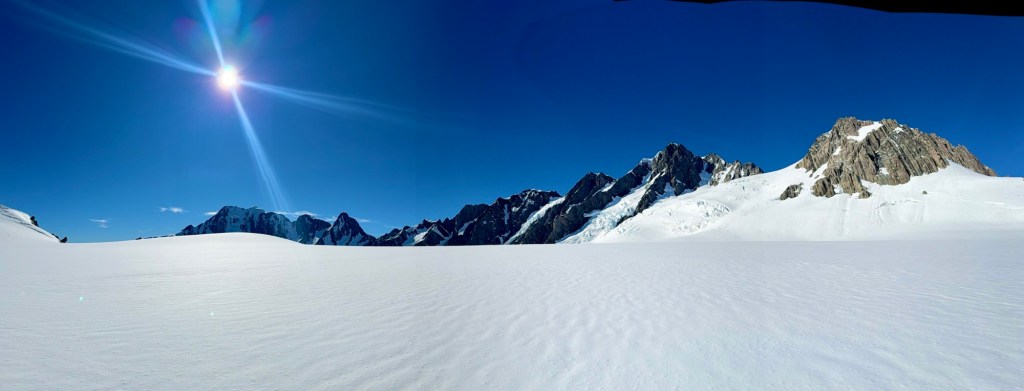
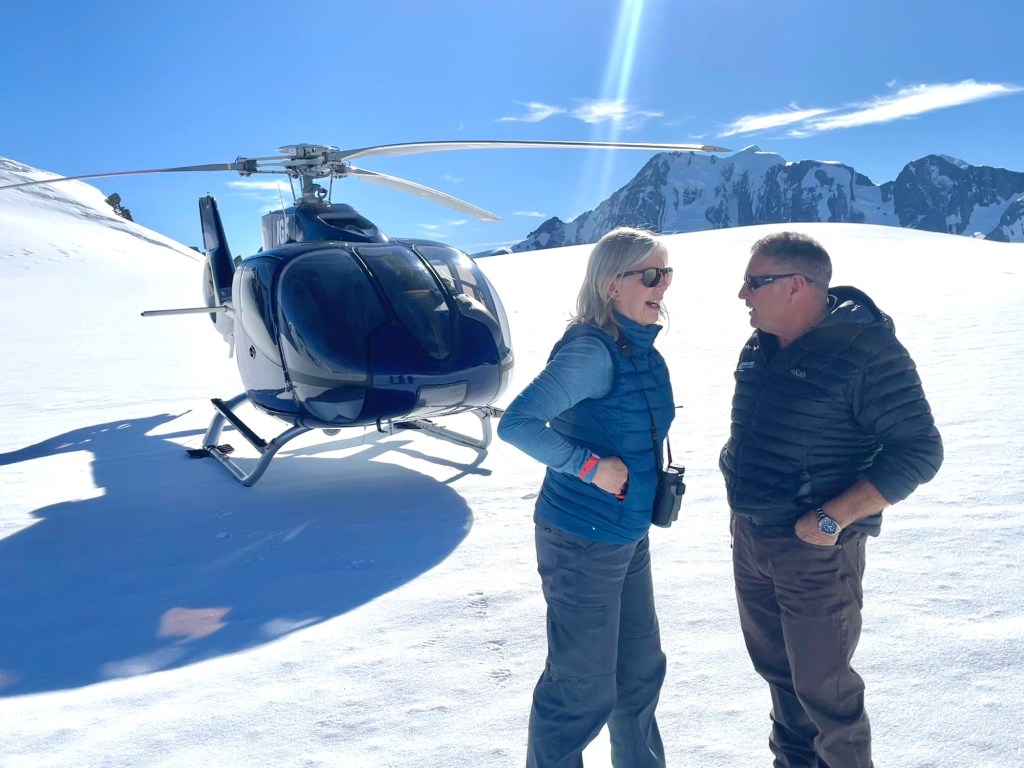
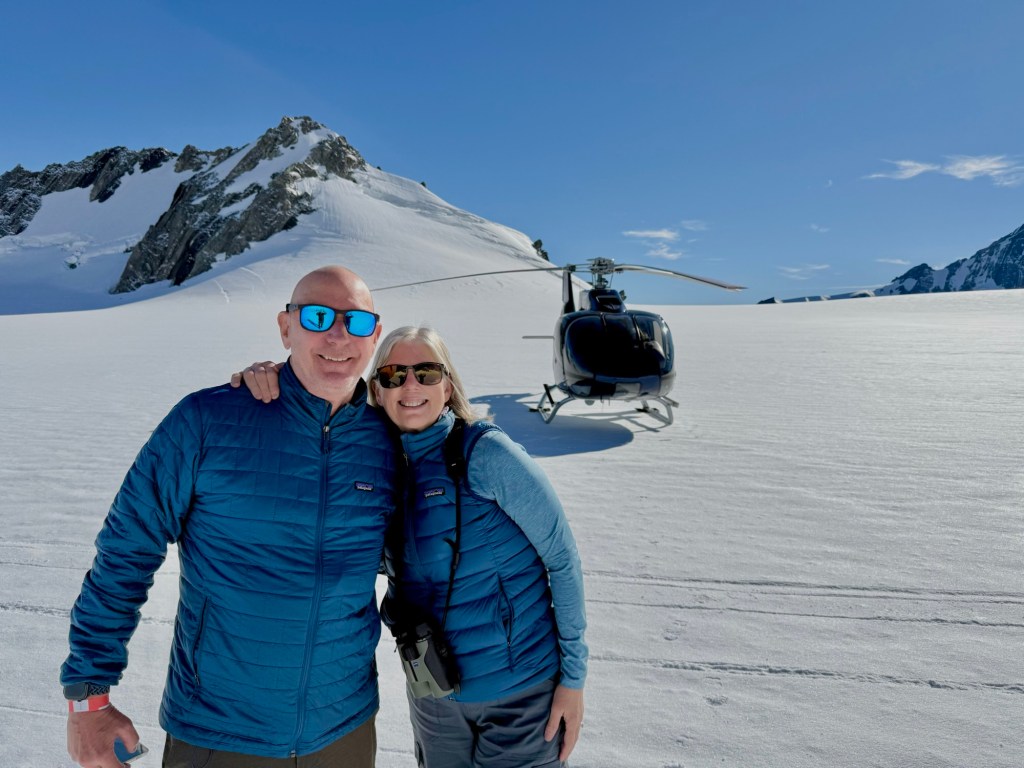
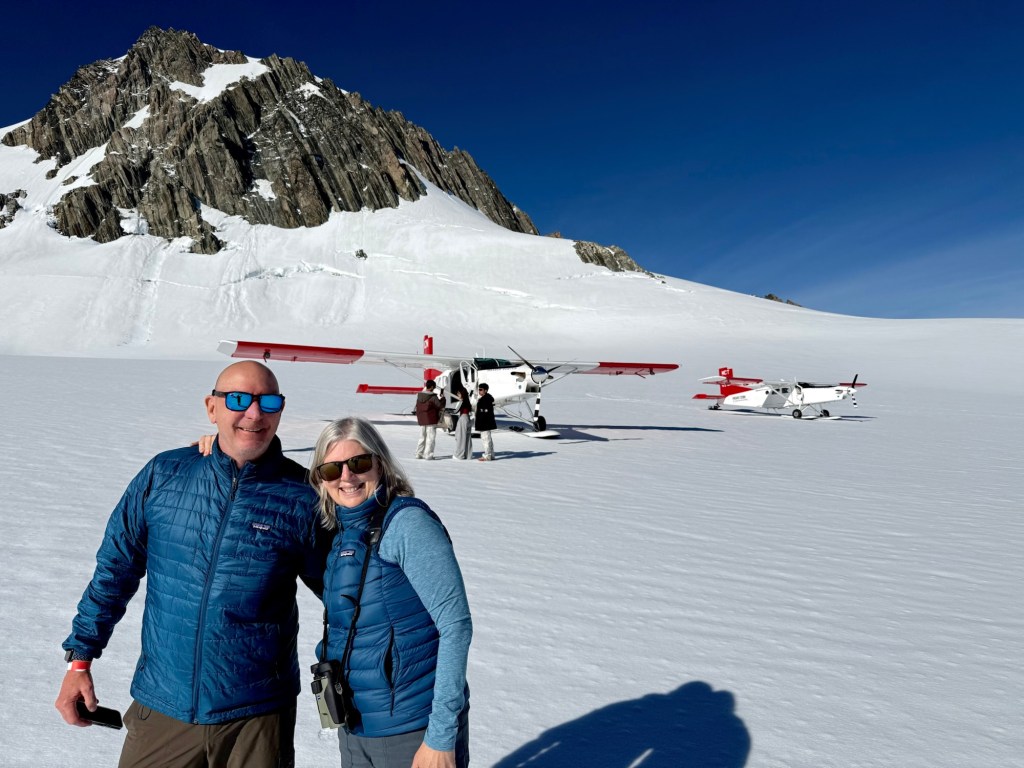
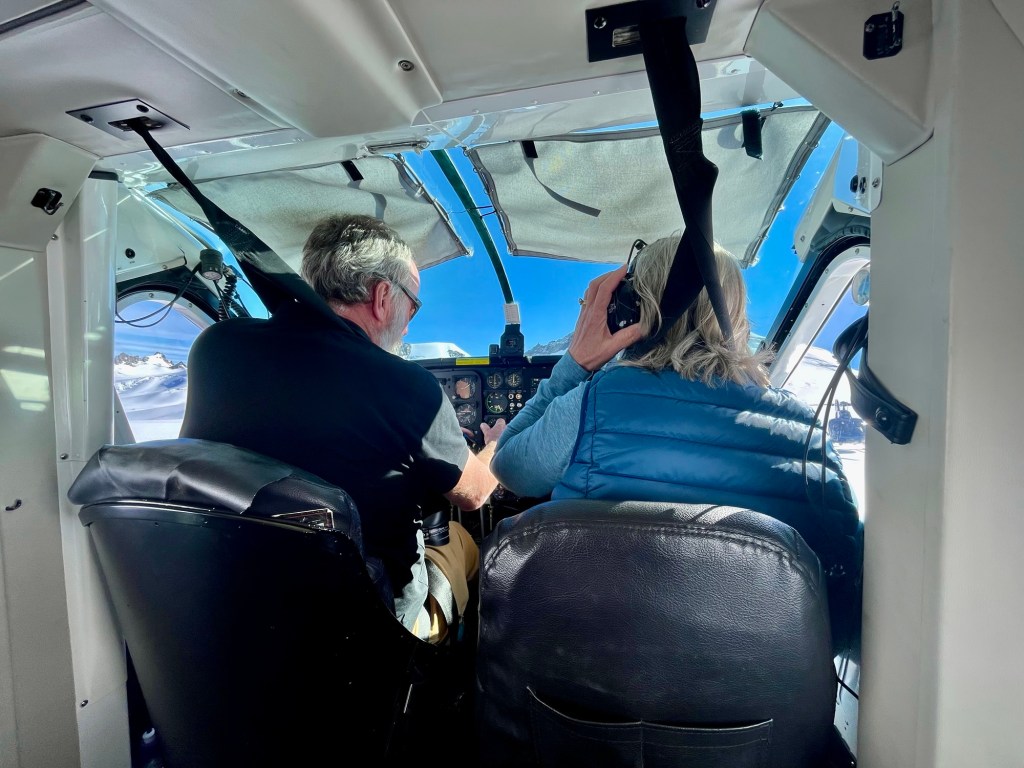
The day at Mount Cook started before sunrise. We had pre-booked a helicopter and small prop plane combination flight to the Fox Glacier, and luck handed us perfect conditions — bright sun, no wind, and a pilot named Mark who threaded us between mountains like it was the most natural thing in the world. We landed on the glacier, stepped out into that vast white silence, and then climbed into a small prop plane for the ride back. Pete and I were both quietly pinching ourselves. There are experiences that you plan for and hope will deliver, and then there are the ones that exceed every expectation. This was one of those.
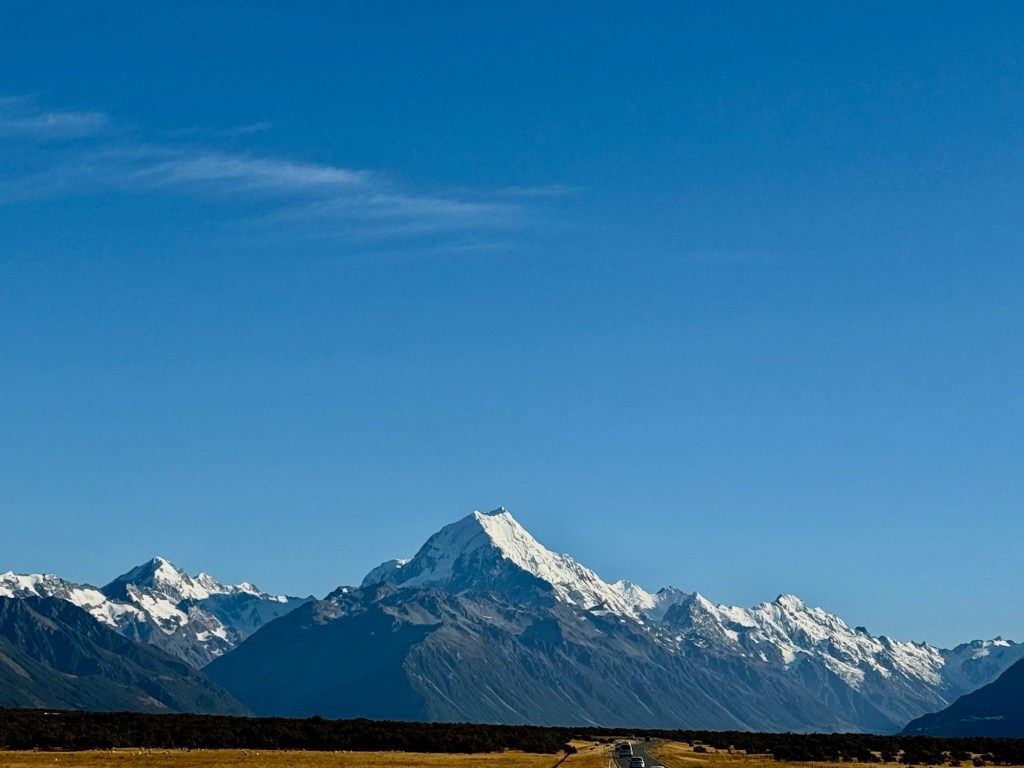
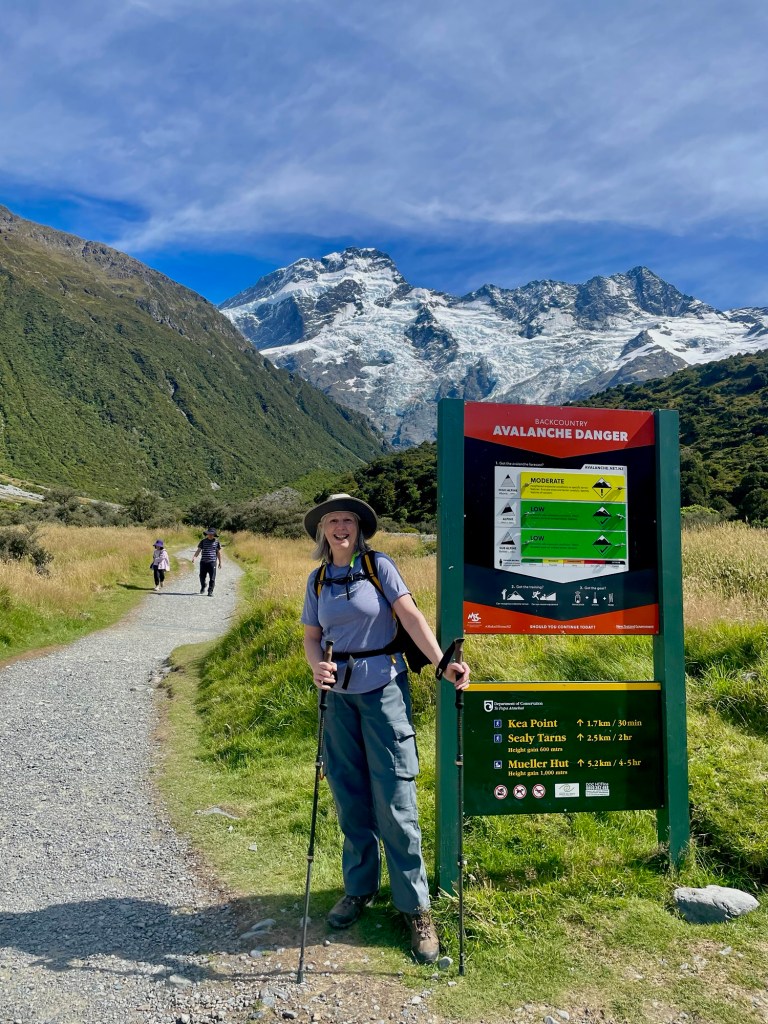
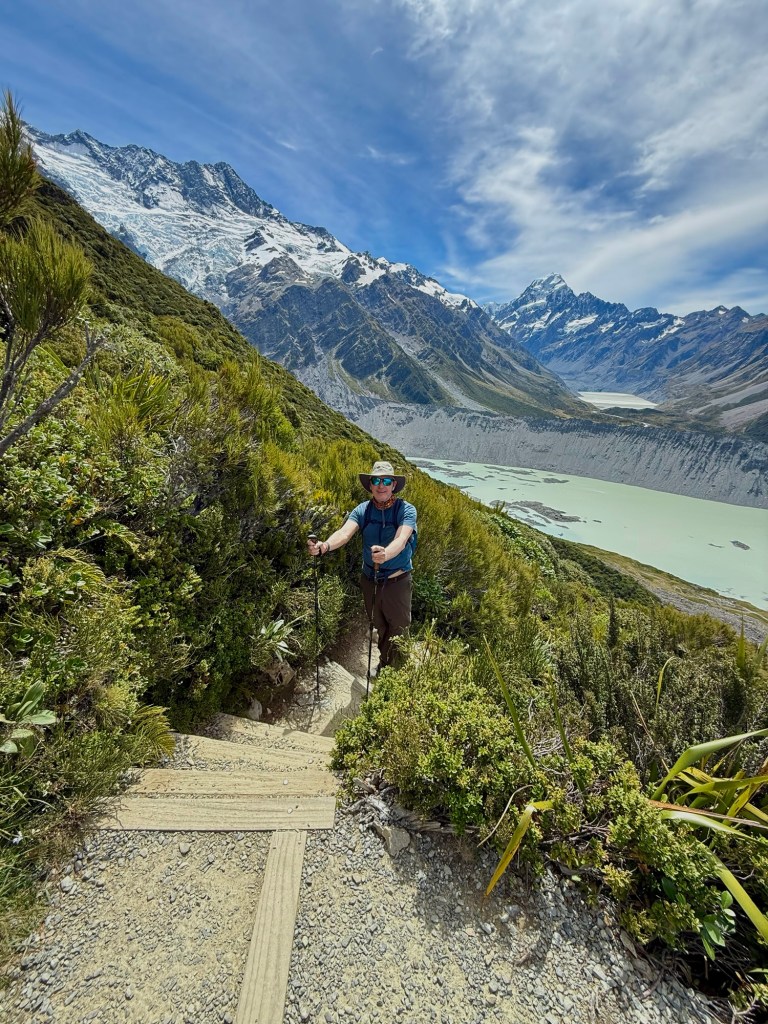
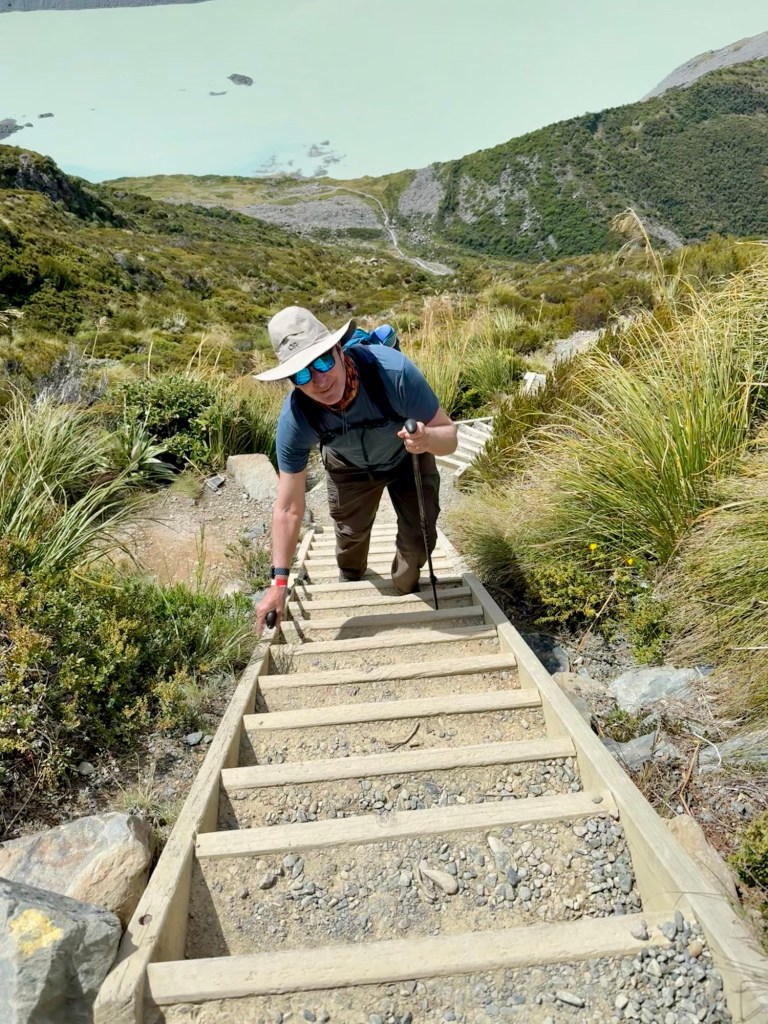
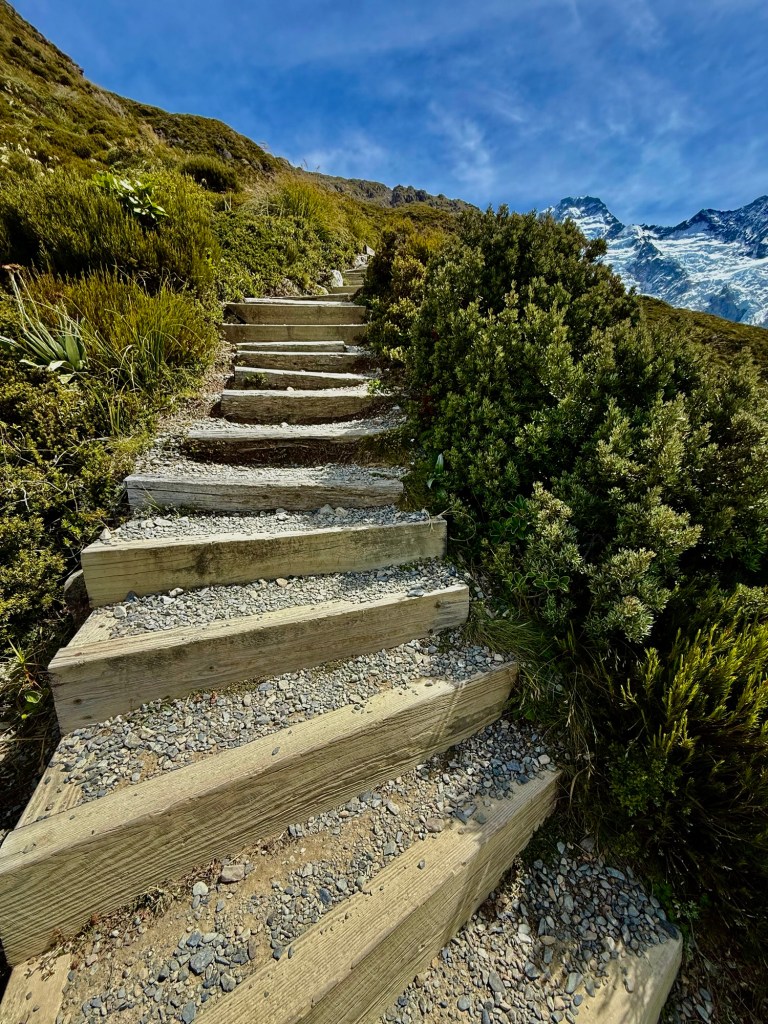
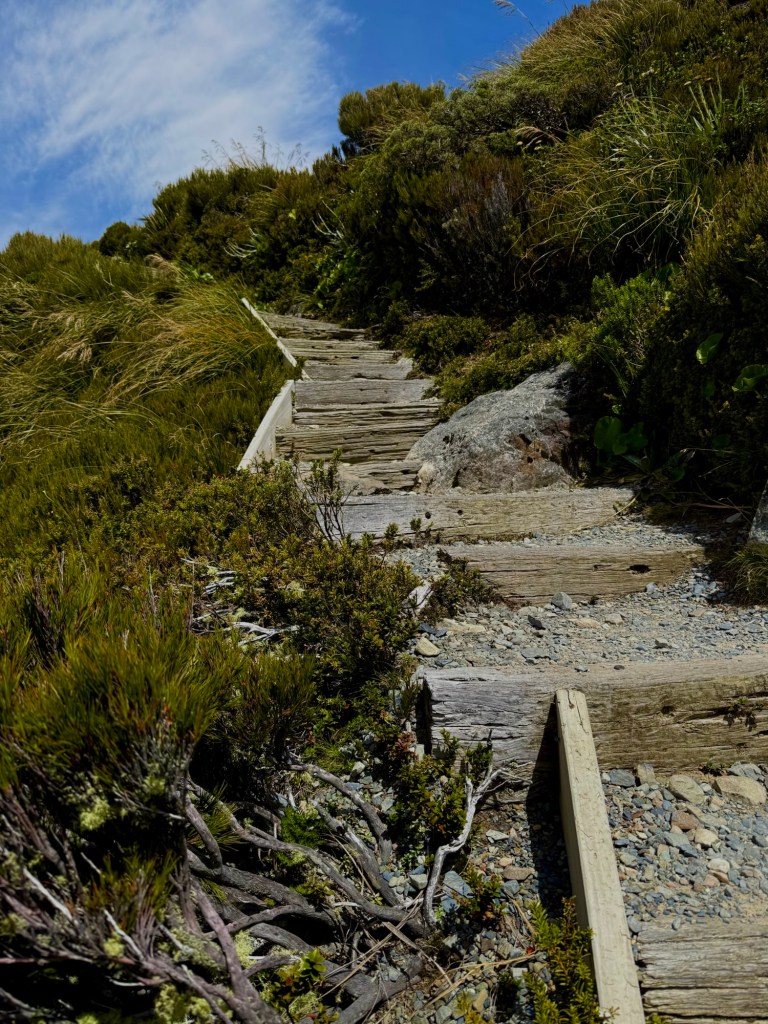
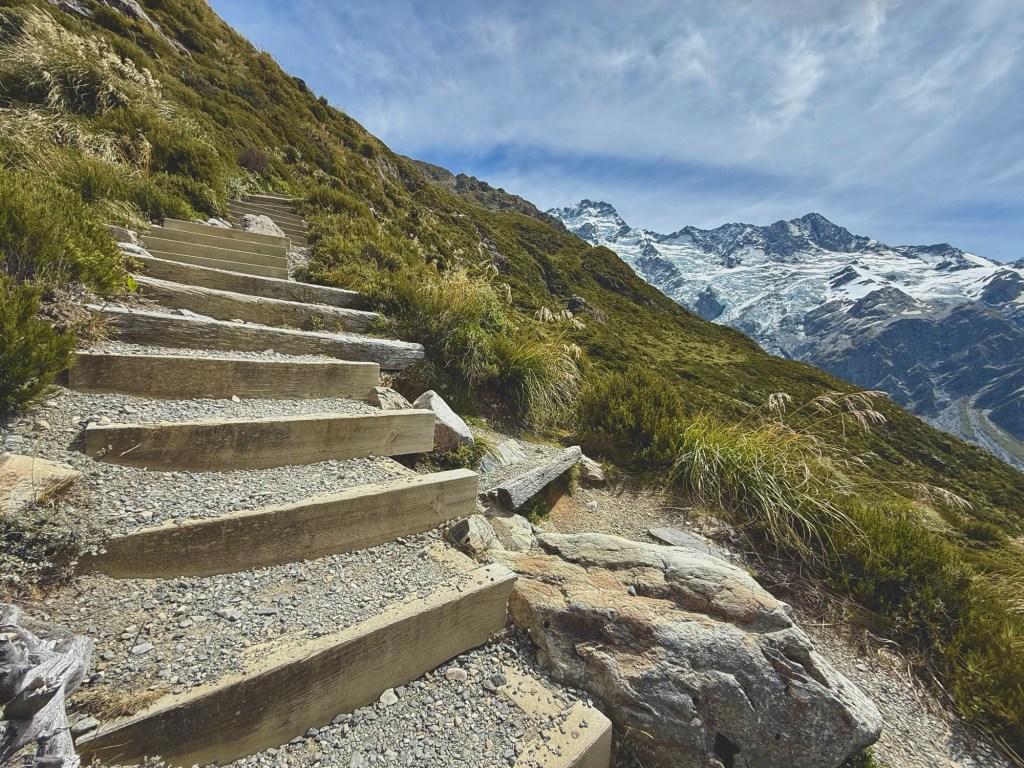
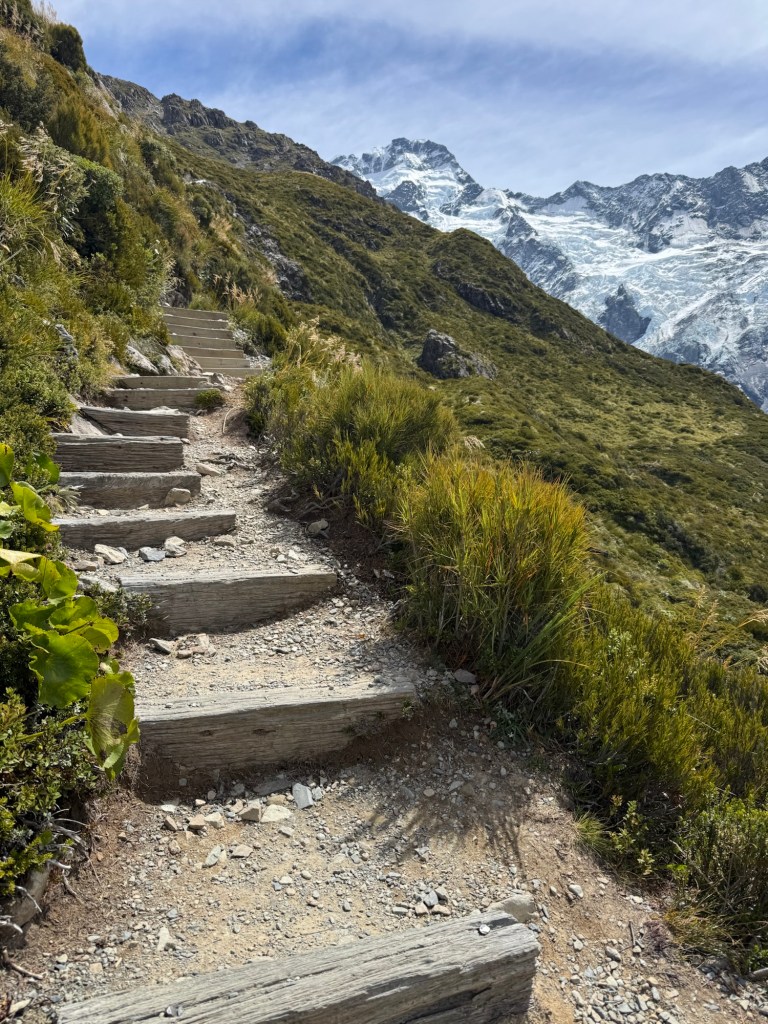
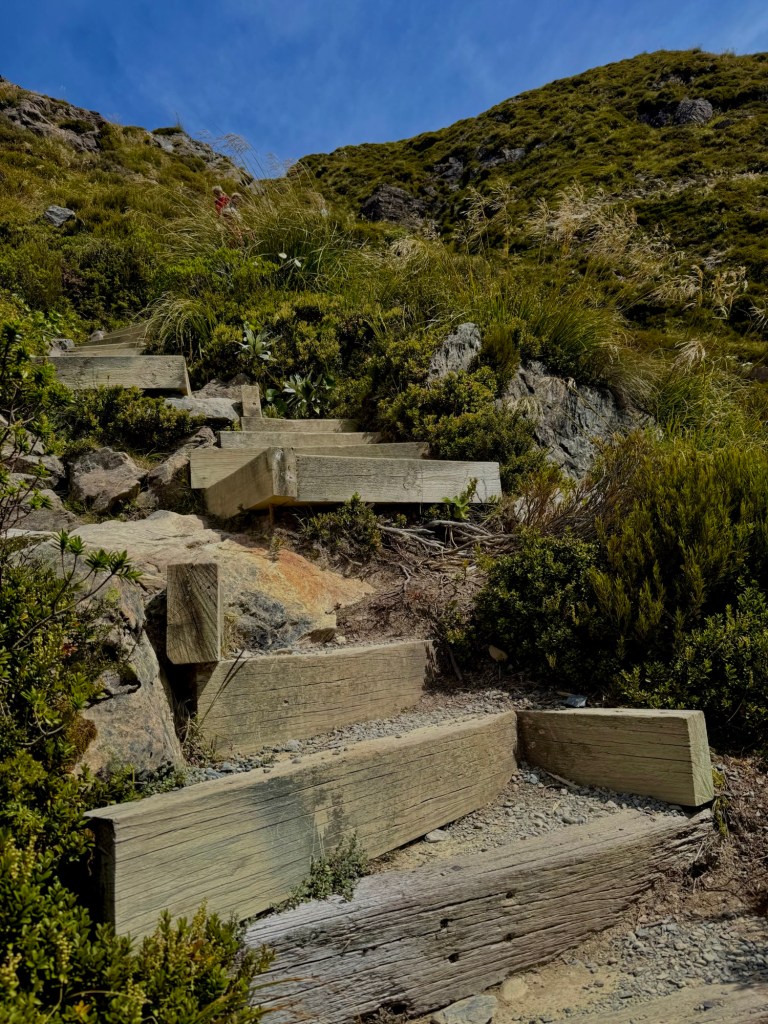
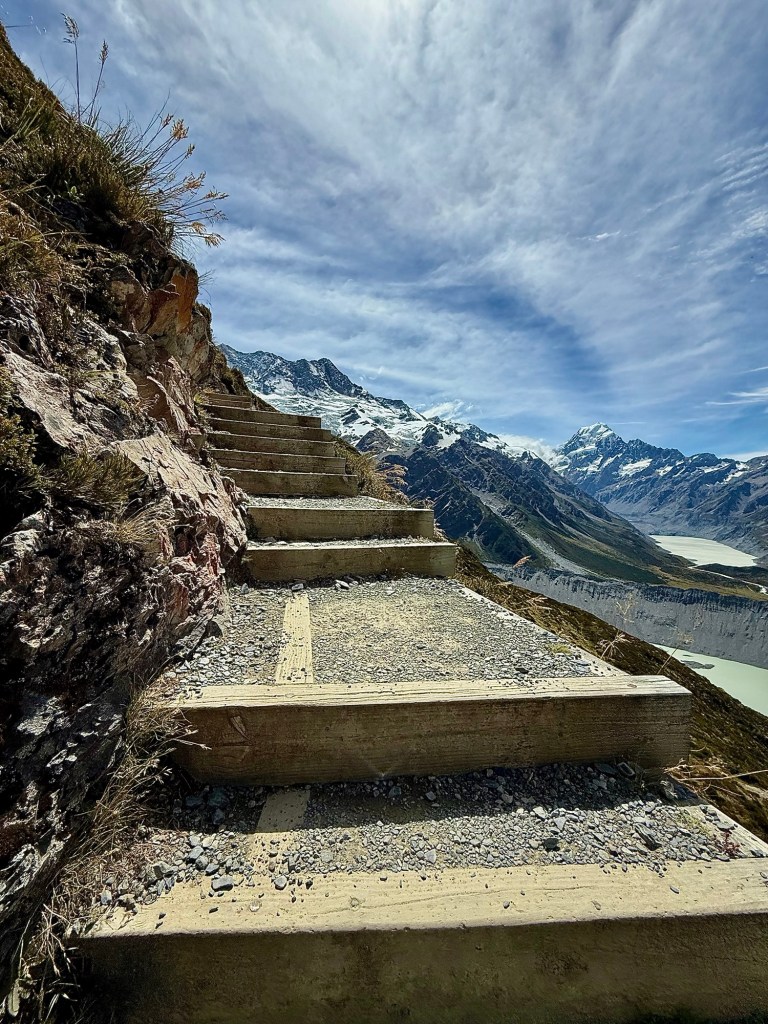
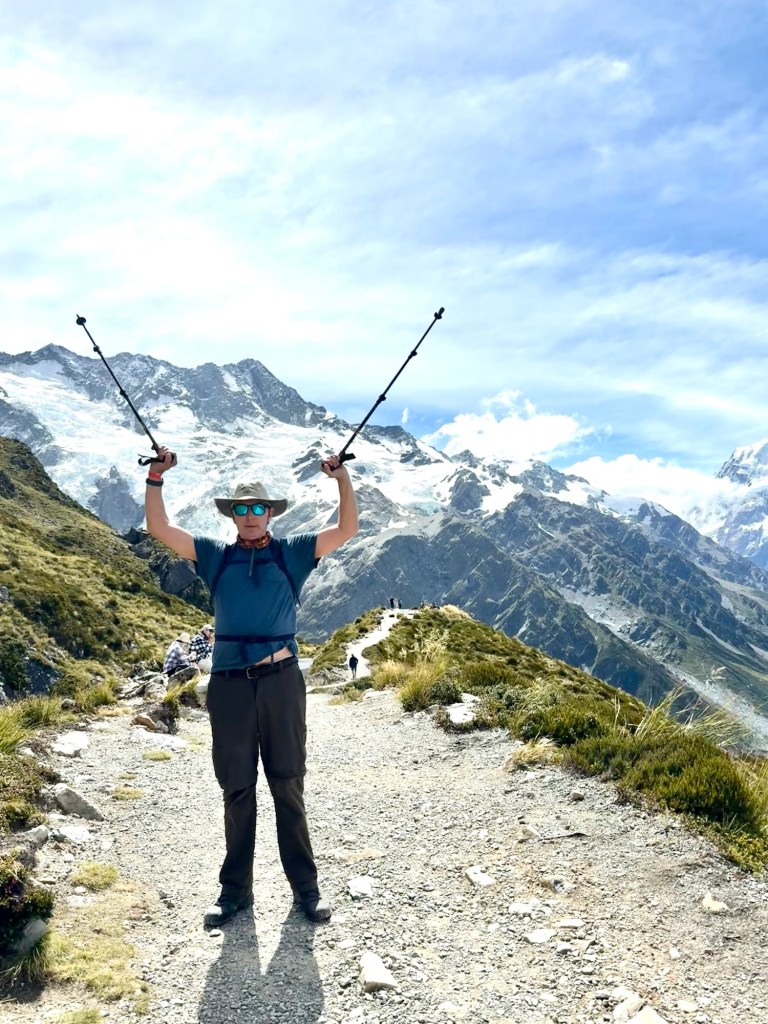
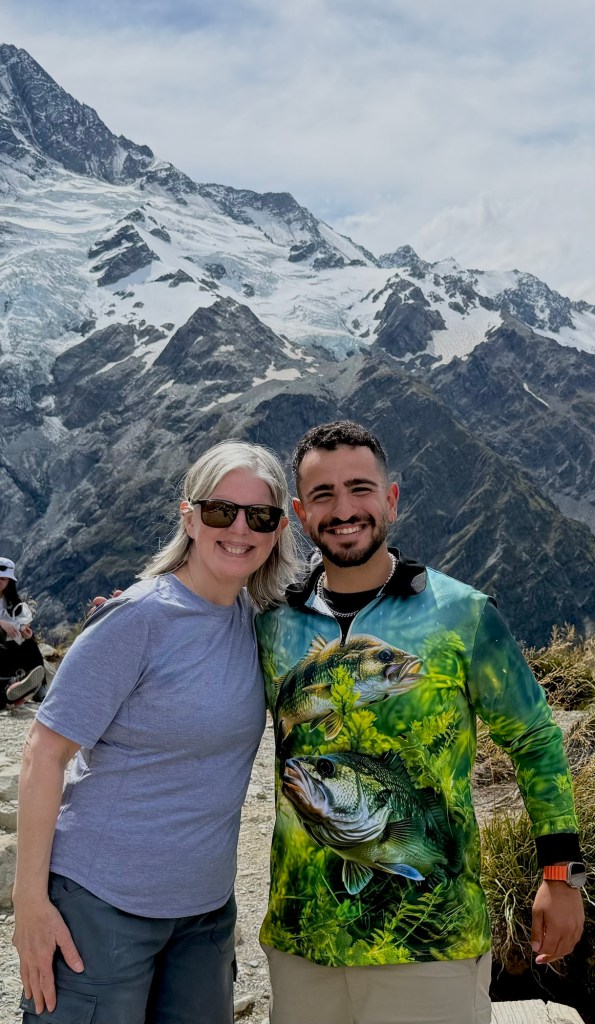
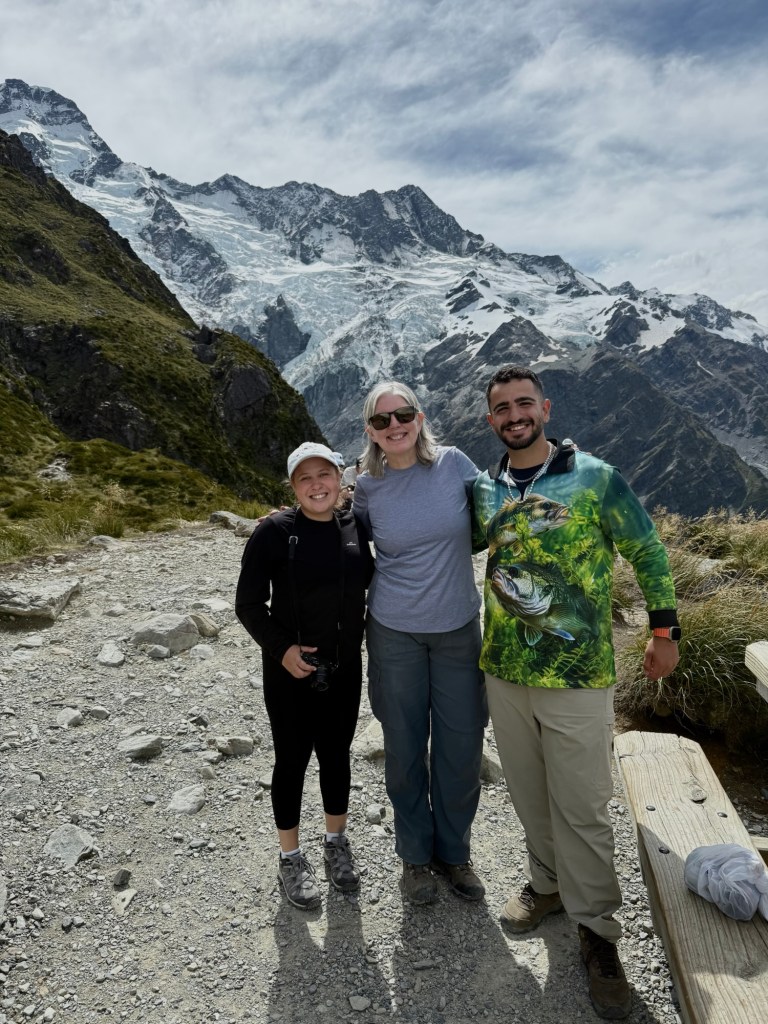
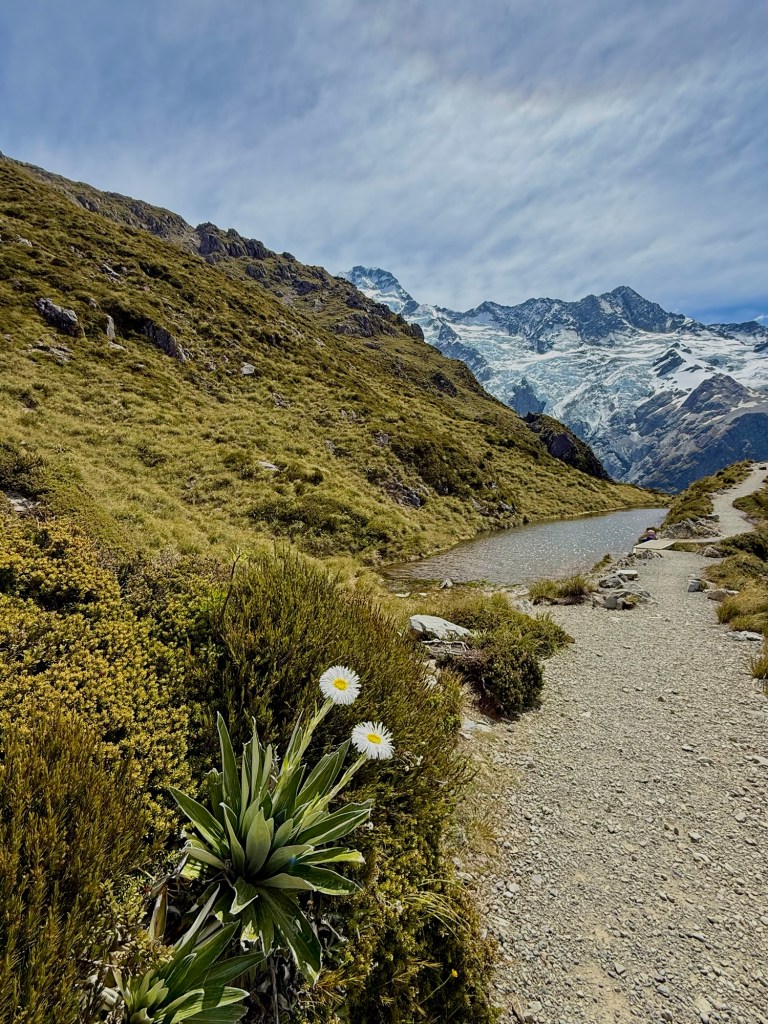
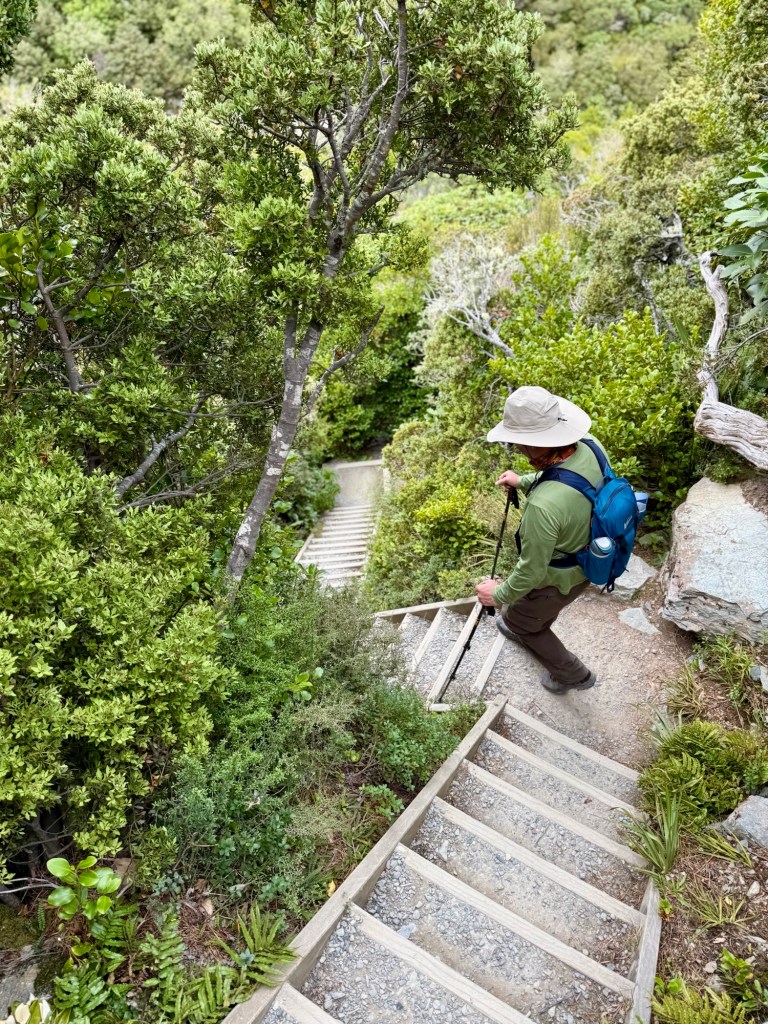
Back on the ground, we drove up to the Mount Cook trailhead and tackled the Sealy Tarns hike — 2200 steps ranging from eight to twenty-four inches high, straight up the mountain. It was hard. We stopped constantly, ate every high-sugar piece of fruit we had packed, and talked each other through the moments when turning back seemed reasonable. Other hikers were doing exactly that. We kept going. At the top we found a picnic table, a sweeping view that made every step worthwhile, and a young Israeli couple named Bar and Liel who had taken exactly as long as we had to get there. We shared the table, shared stories, and took our time coming back down — which was easier on the lungs but had plenty to say about our knees. Five and a half hours after we started, we high-fived by the car and drove back to Twizel.
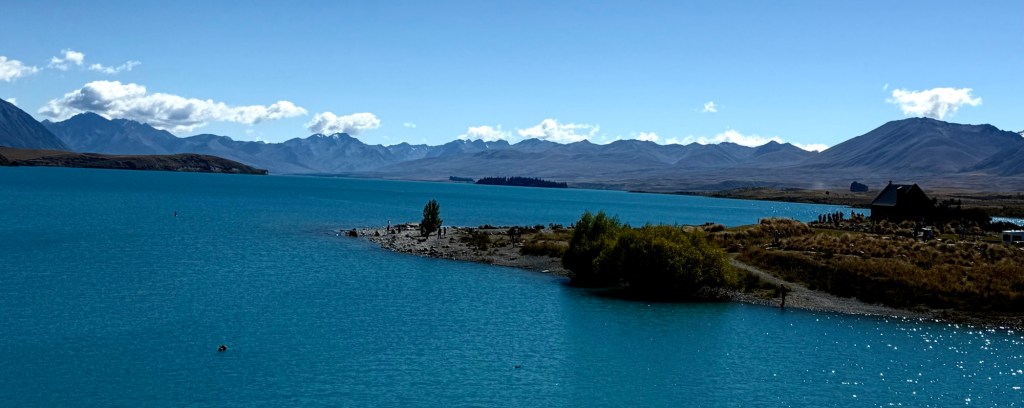
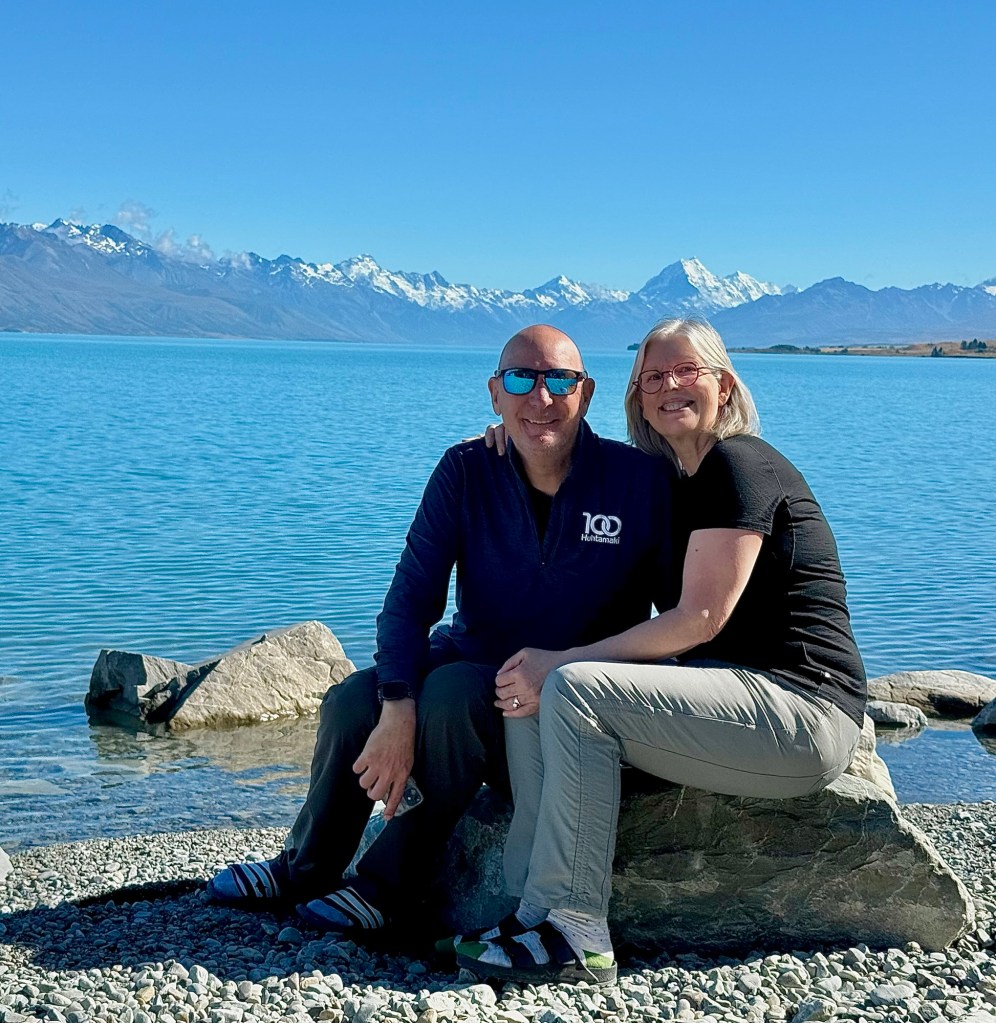
The following day brought Lake Tekapo, one of the most photographed lakes in New Zealand, and for good reason — the glacial blue-green water is almost impossible to believe. Tour buses had found it too, so we kept moving, stopping at the little stone Church of the Good Shepherd on the lakeside before sitting through the tourist center’s astronomy show — atmospheric enough, but we’d point you somewhere better. That somewhere better turned out to be the hike up to the Mt. John Observatory, which goes straight uphill through alpine forest before leveling into a long wandering descent alongside the lake. Back in Twizel, we had a lovely dinner at Poppies before heading out on the stargazing tour — and the night sky made everything worth staying up for. The Southern Cross, Orion’s Belt, the Milky Way, Sirius, Alpha Centauri — the closest star to our own sun — all of it overhead, clear and close and humbling. We fell into our container beds well after midnight, already thinking about the drive to Wanaka in the morning.
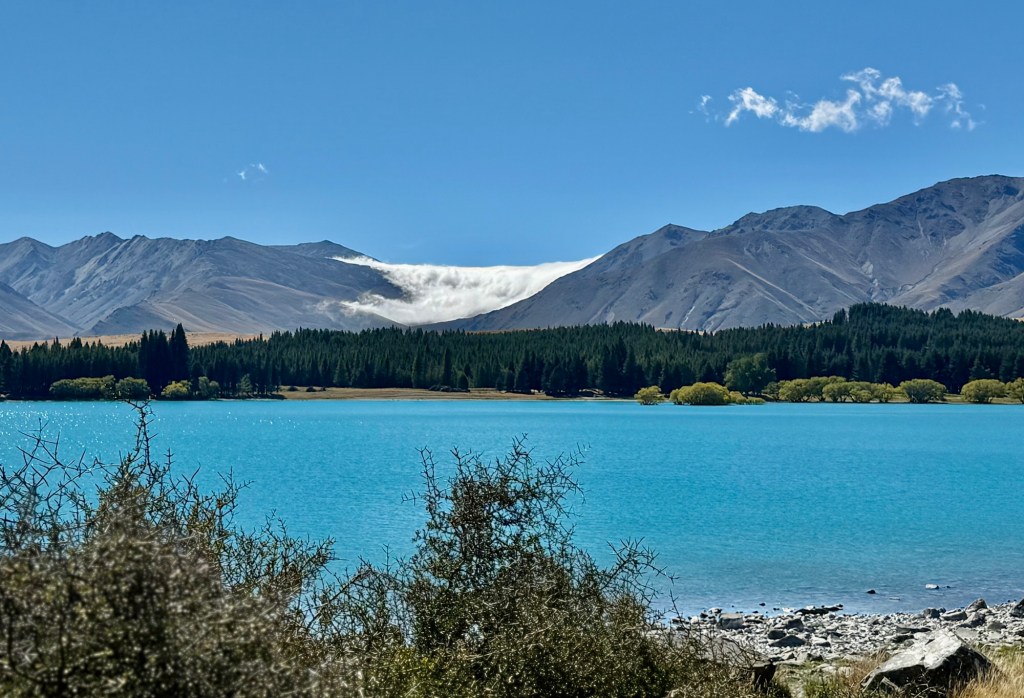
Because Lake Tekapo is in a basin surrounded by mountains, cold air can get trapped in the lower, flatter valleys (especially at night or in winter). Warm, moist air moving over this cold pool can create thick, low-lying fog, often called a foehnwall (or Föhnmauer).
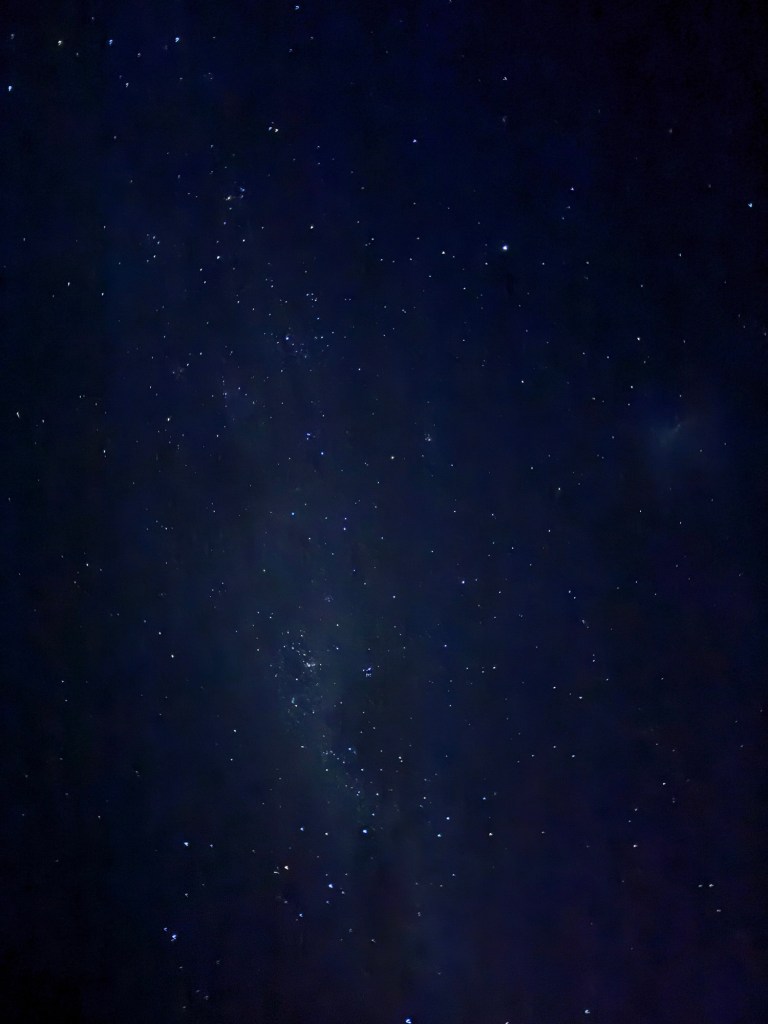
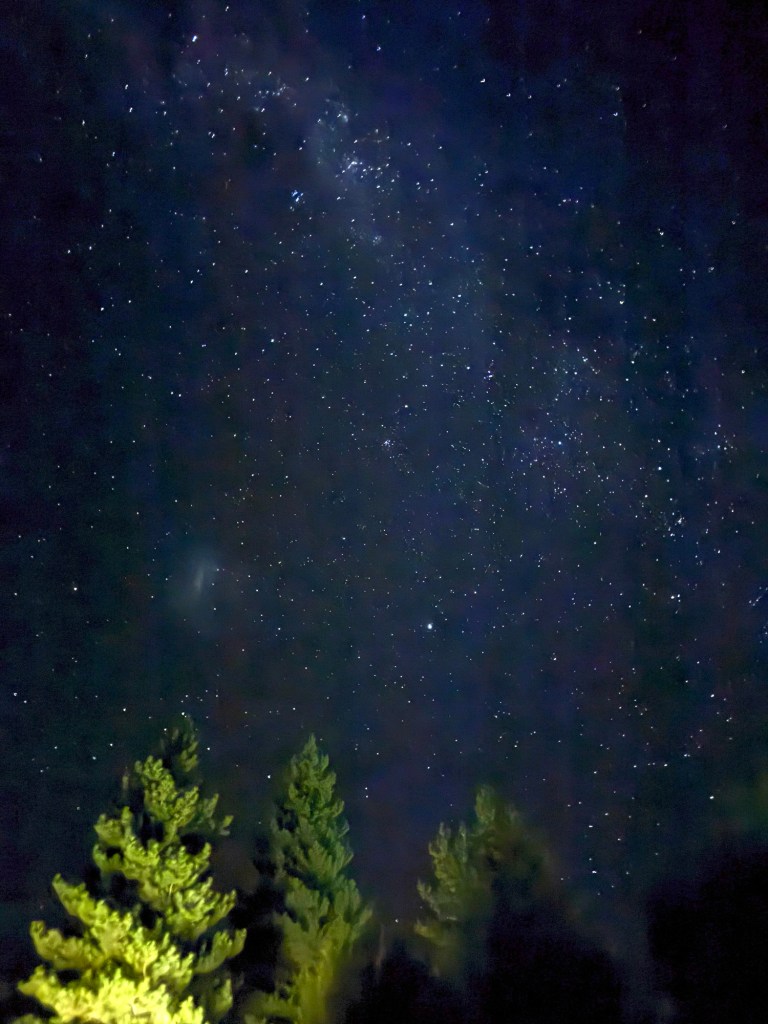
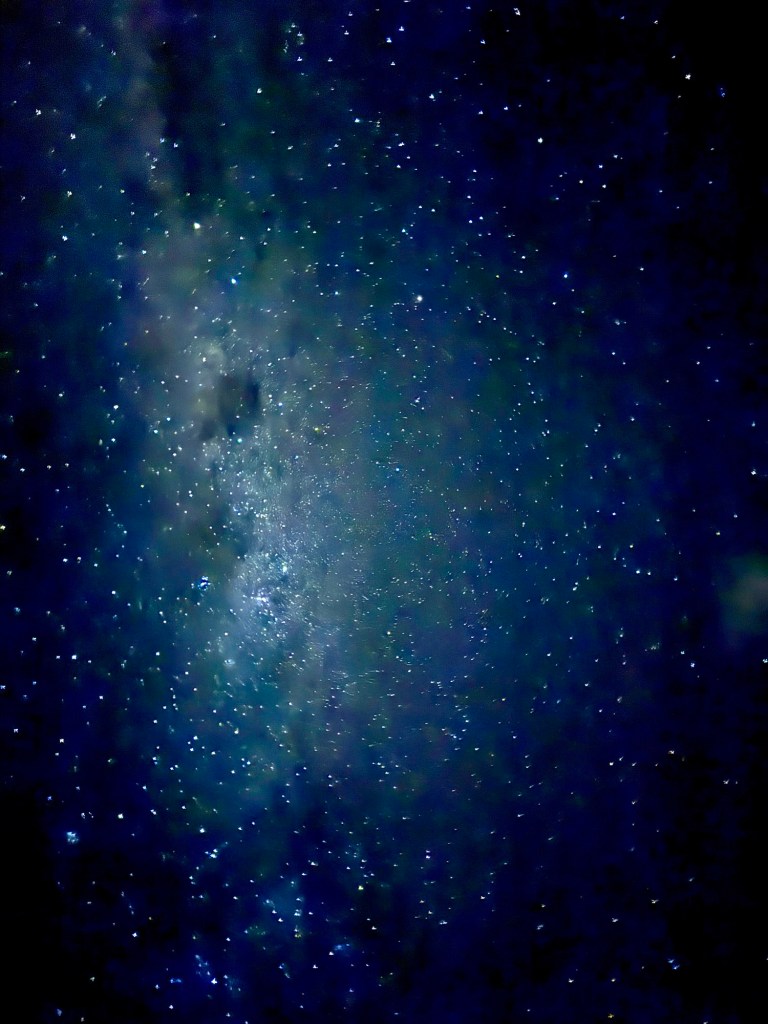
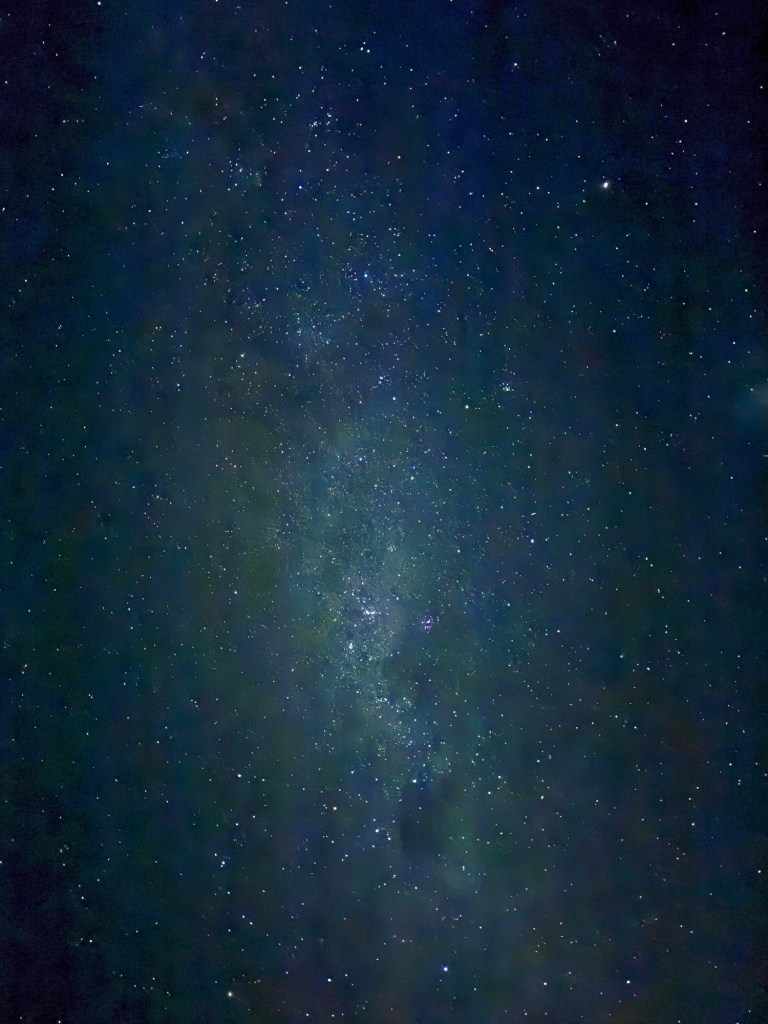
Twizel lies in the heart of the 4,367 km2 Aoraki Mackenzie International Dark Sky Reserve, the largest in the Southern Hemisphere and a Gold-Tier certified, nearly light-pollution-free area. It offers world-class, pristine stargazing, featuring breathtaking views of the Milky Way, Southern Cross, and Magellanic Clouds.
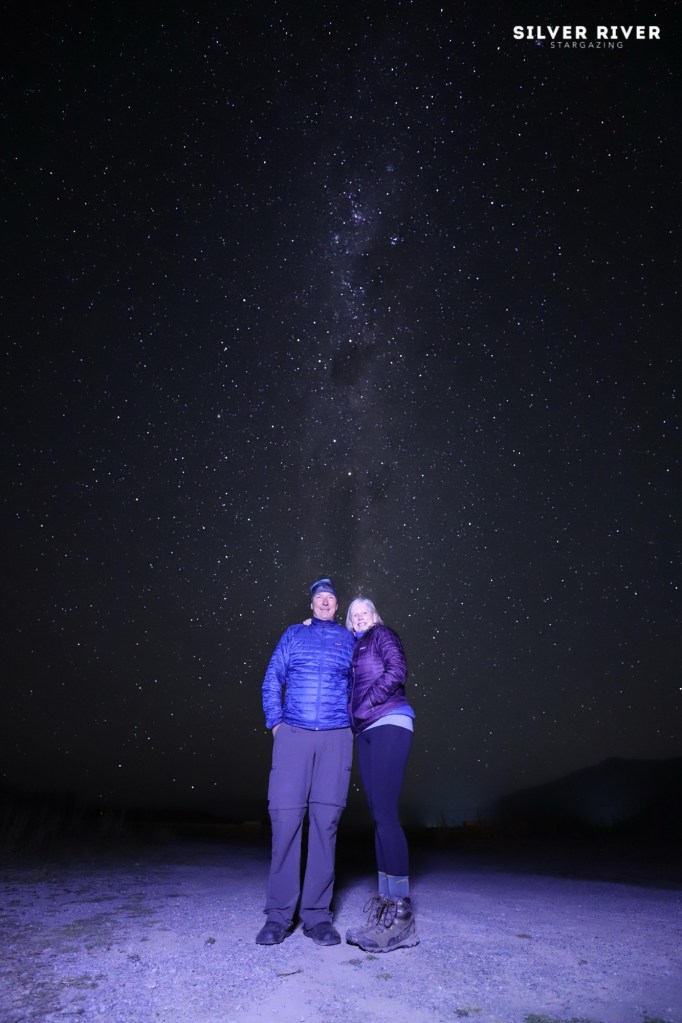
 Pete & Lori's Retirement adventures
Leave a comment