Four weeks on the South Island, and we could have easily stayed another two. But the North Island was waiting, and we had a flight from Nelson to catch — eventually. First, a few more things to see.
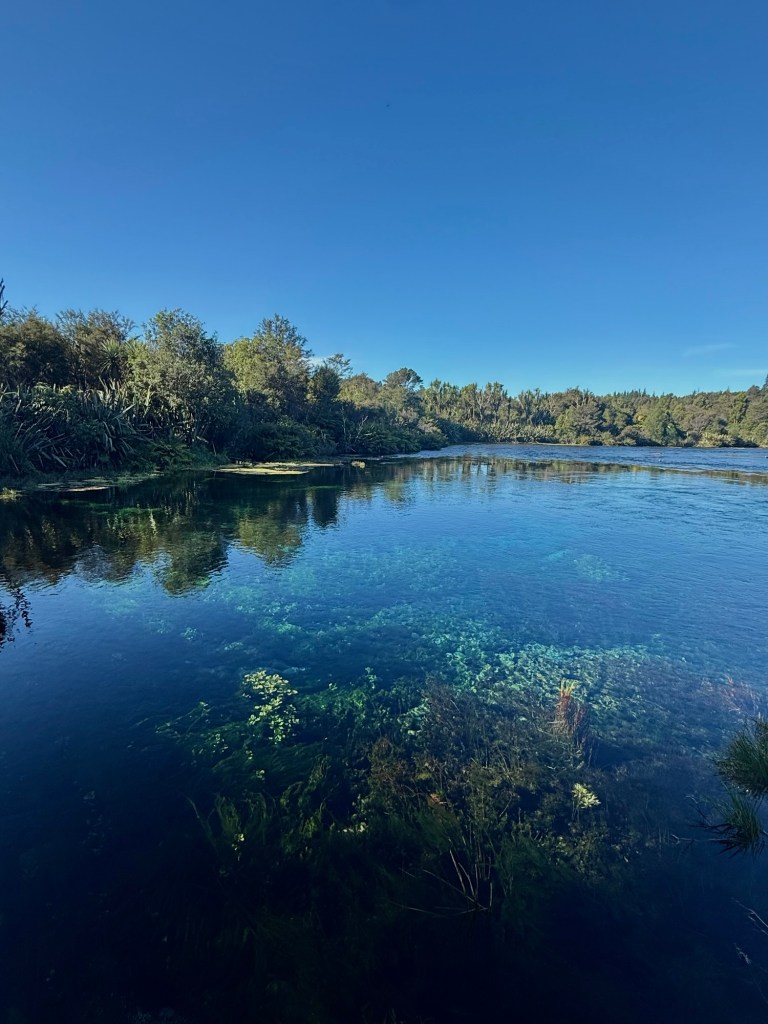
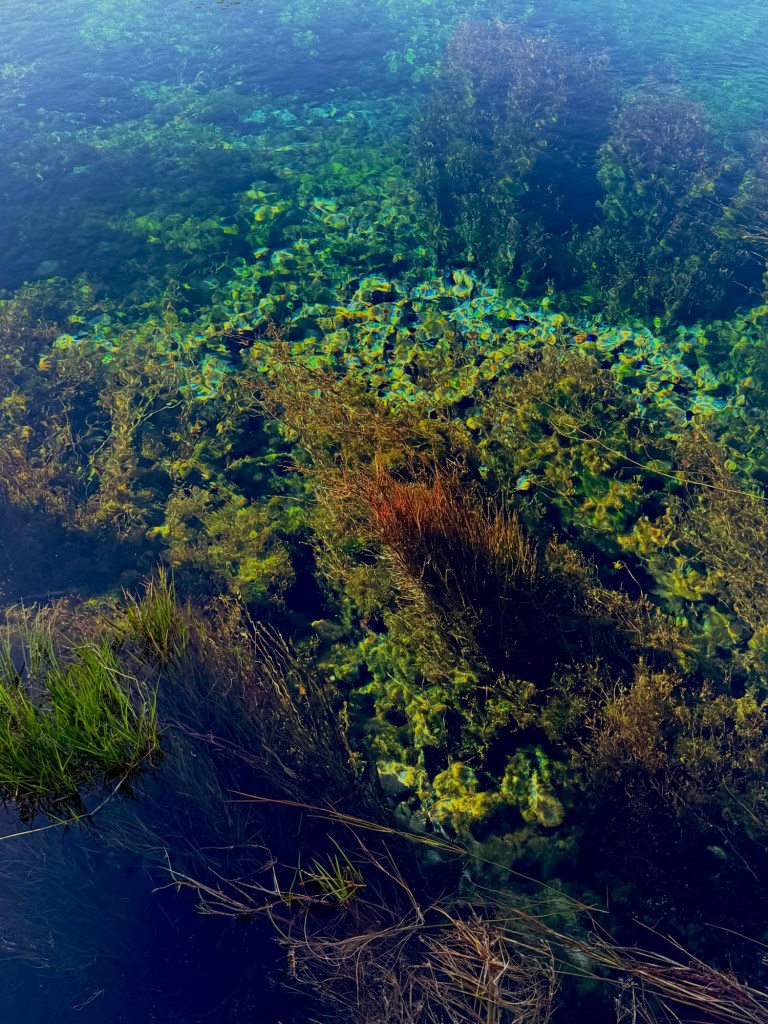
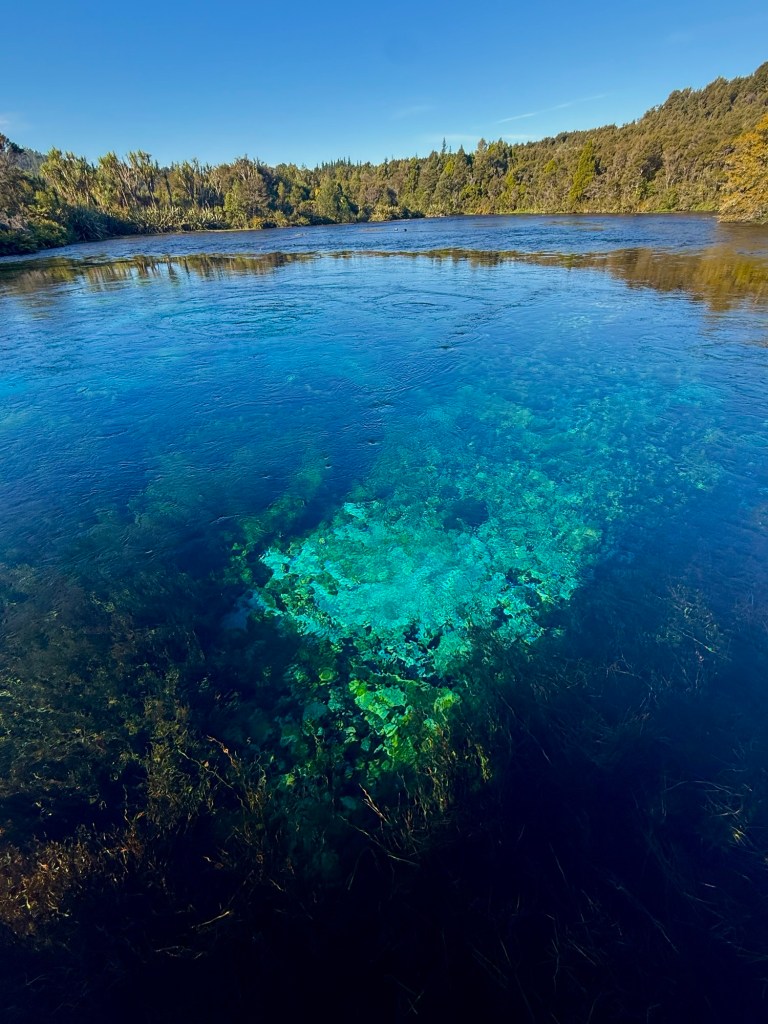
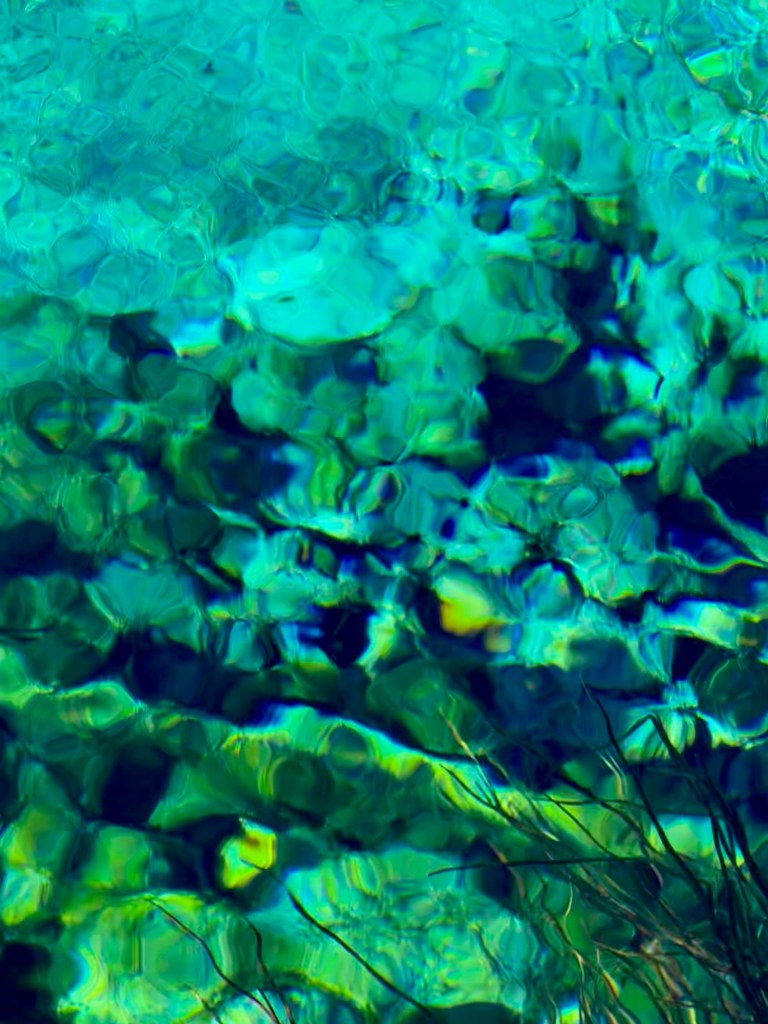
Leaving Abel Tasman, we made a short detour southwest of Nelson to visit Te Waikoropupū Springs, known locally as Pupu Springs. The name translates to “place of the dancing sands,” which refers to the vents, where the force of the water pushes up through a white sand floor and makes it look like it’s moving. These are the largest cold-water springs in the Southern Hemisphere, and the visibility through the water is significant — approaching optically pure. The only water on record clearer than this is at the Weddell Sea in Antarctica. You cannot touch it, swim in it, or even dip a finger in — the springs are sacred to Māori, and have been protected from any contact since 2007. A short boardwalk loop through native rimu and kahikatea brought us to a viewing platform, and we stood there looking down into water so clear it looked edited. It’s a stop that takes maybe forty-five minutes and yet the memory will stay with us much longer.
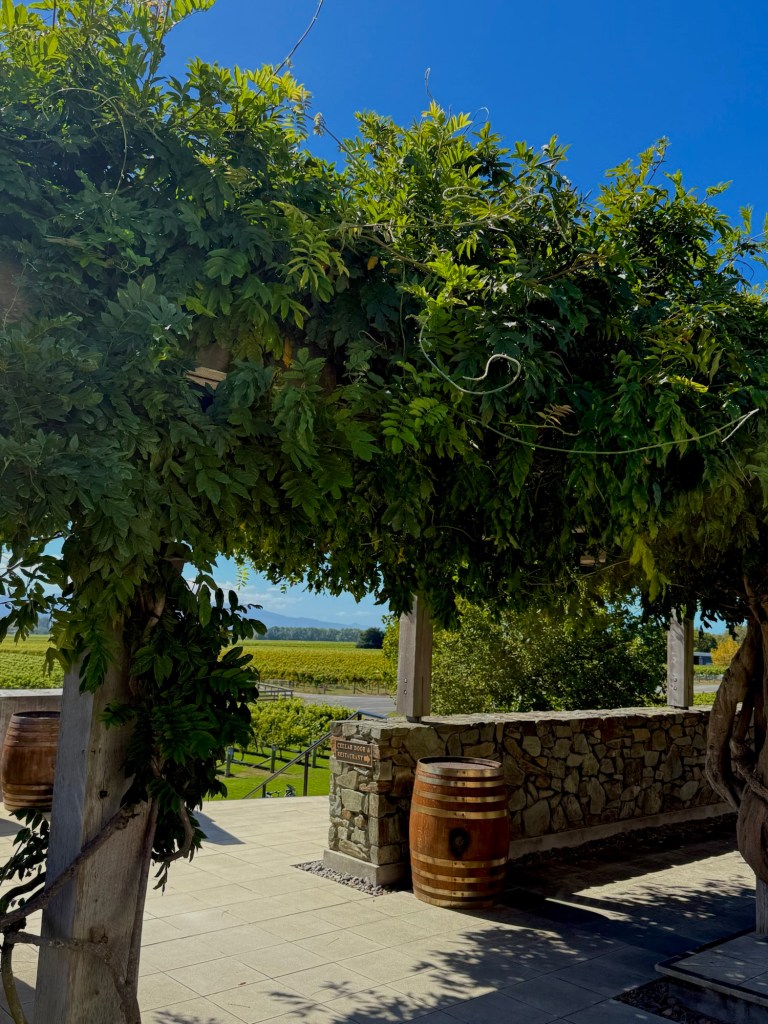
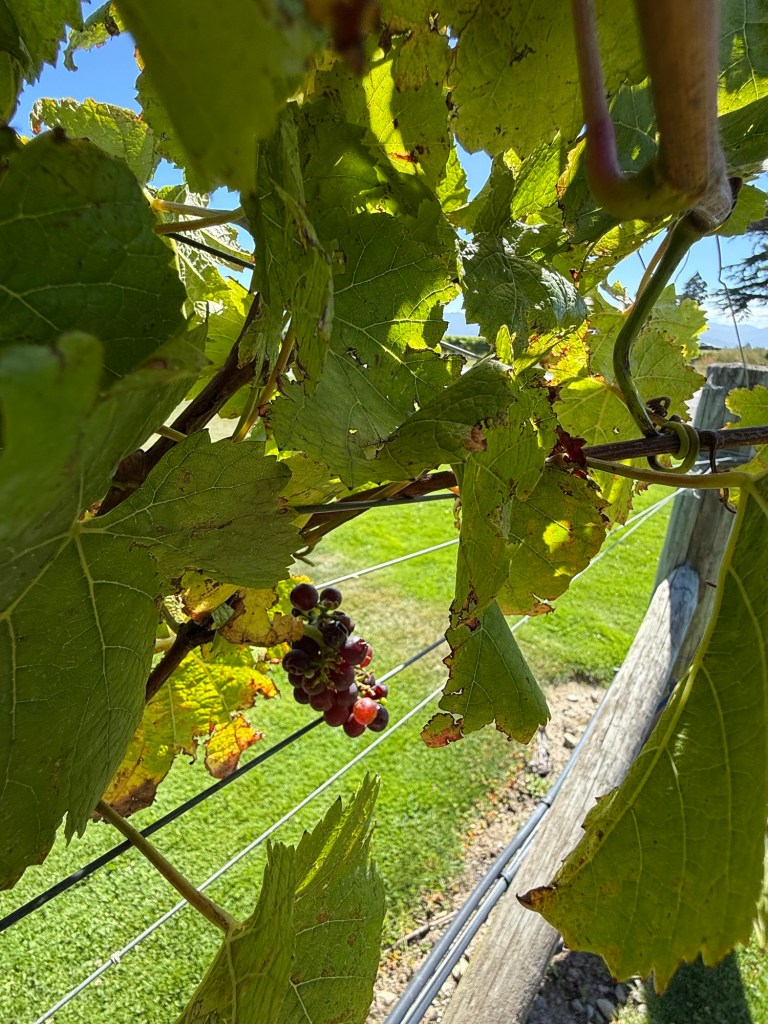
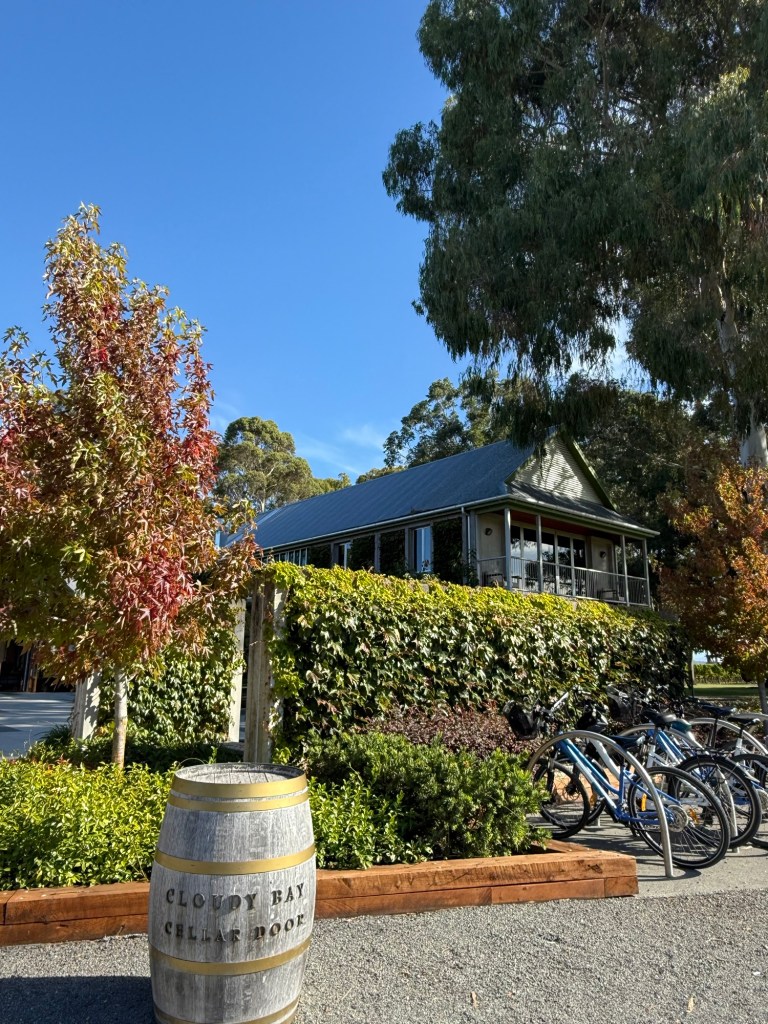
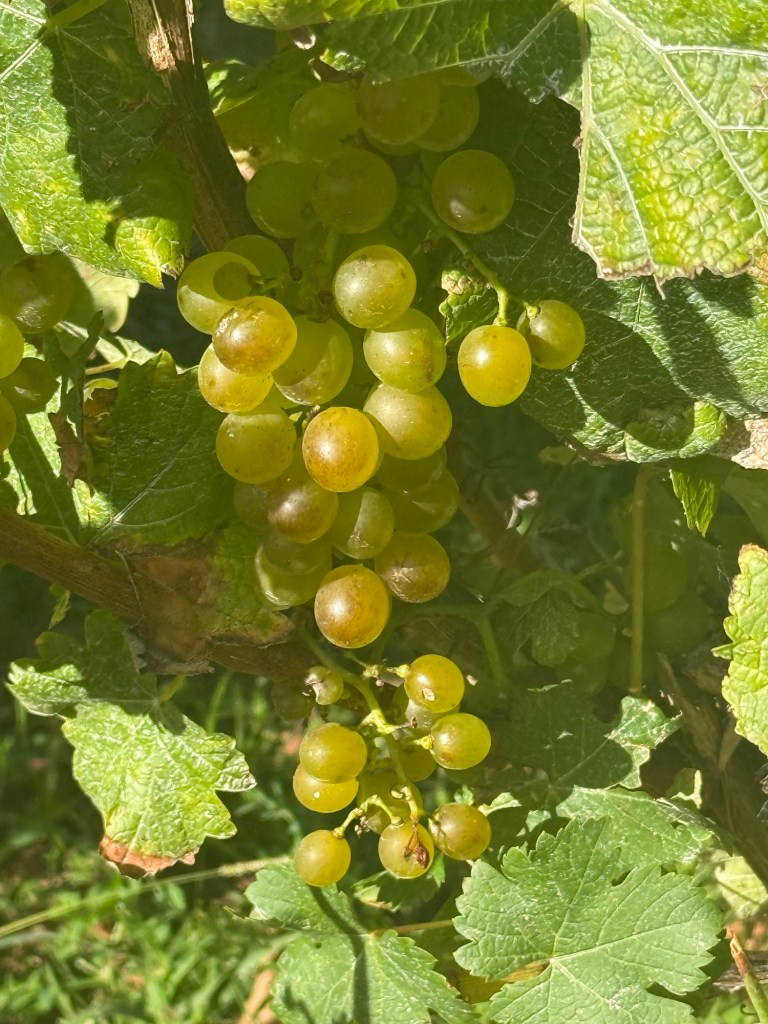
From there we pointed east toward Blenheim, the main town in the Marlborough region and the center of New Zealand’s wine industry. Marlborough produces over 75% of the country’s wine, and Sauvignon Blanc is what put it on the map. We visited a few wineries, had a long lunch somewhere with a view that made it easy to linger, and reminded ourselves that we were technically on a schedule.
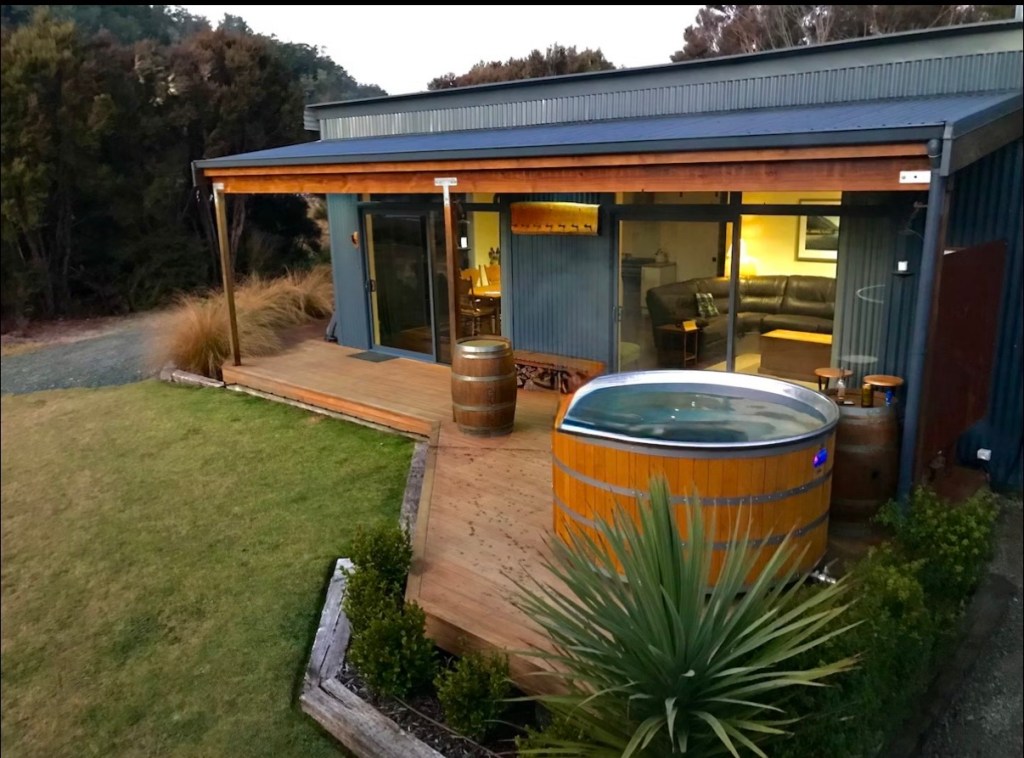
Then southwest again to Nelson Lakes National Park and the village of St. Arnaud, where we stayed at the Woodsman’s Den, a hidden cottage near the lake. We’d come specifically for the Mount Robert Circuit, a nine-kilometer loop track that climbs the northern face of Pourangahau above Lake Rotoiti. The track combines two routes — the Pinchgut Track going up, steep and switchbacking through beech forest and open mountainside, and Paddy’s Track coming down along the ridge with views over the lake.
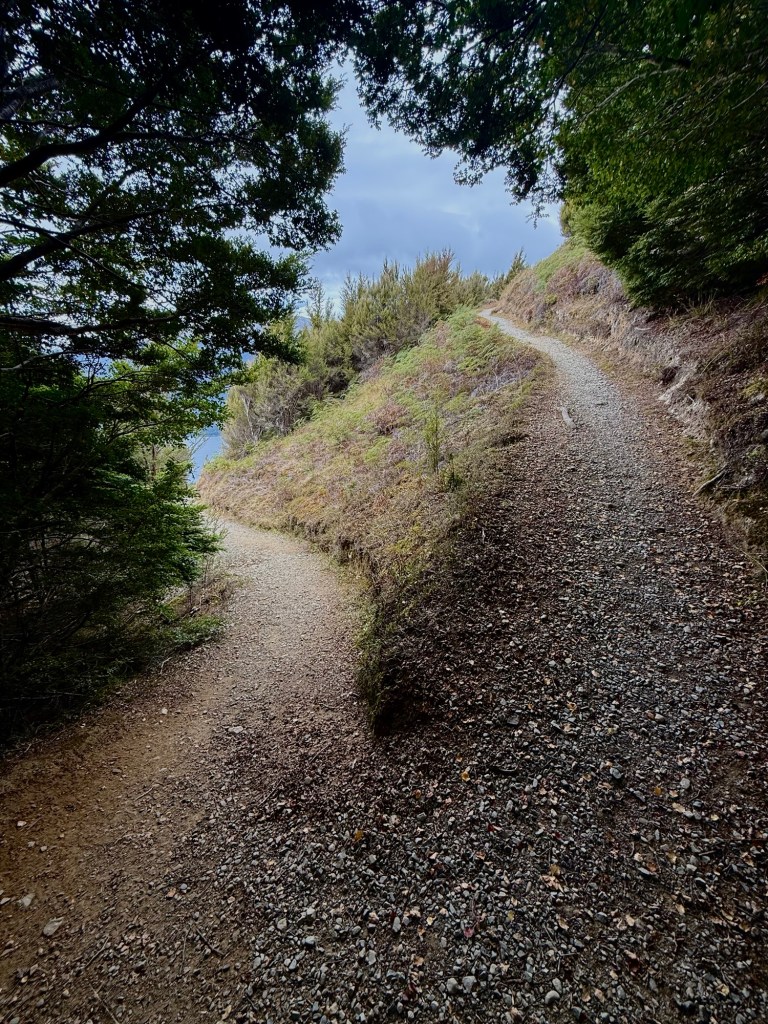
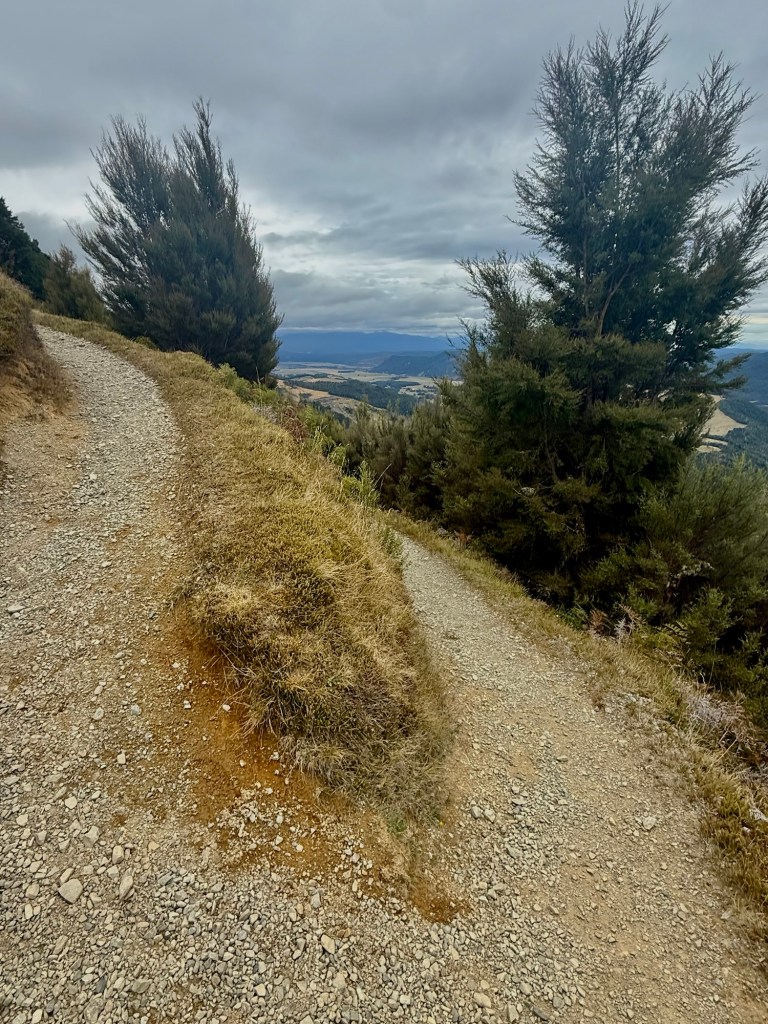
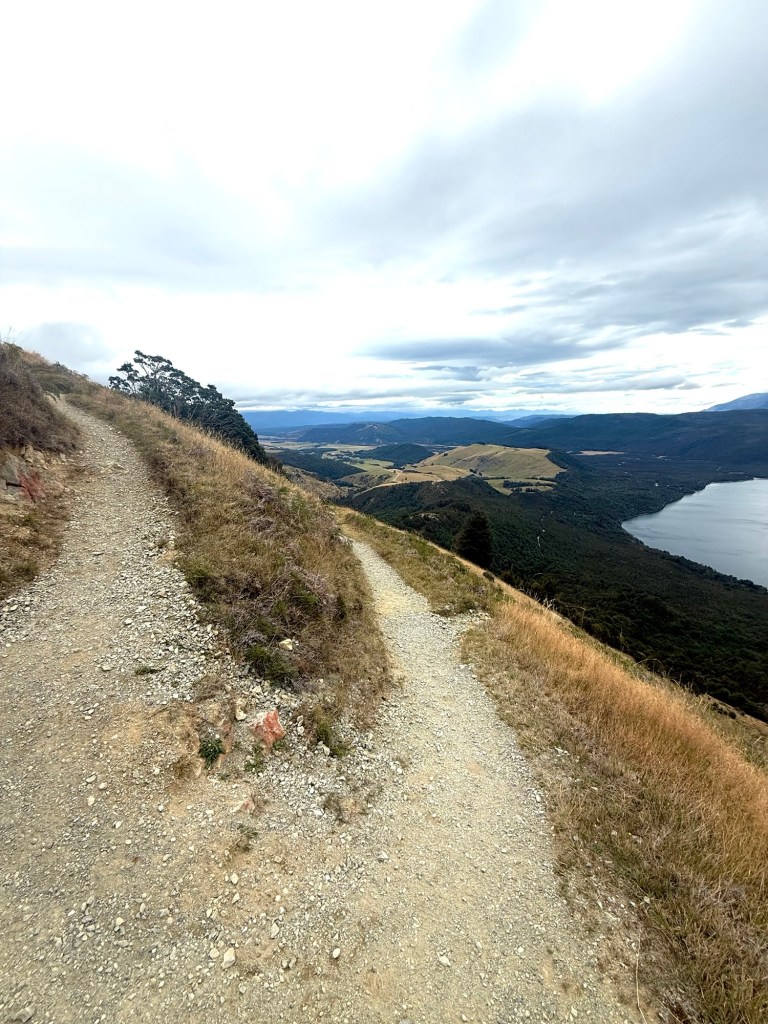
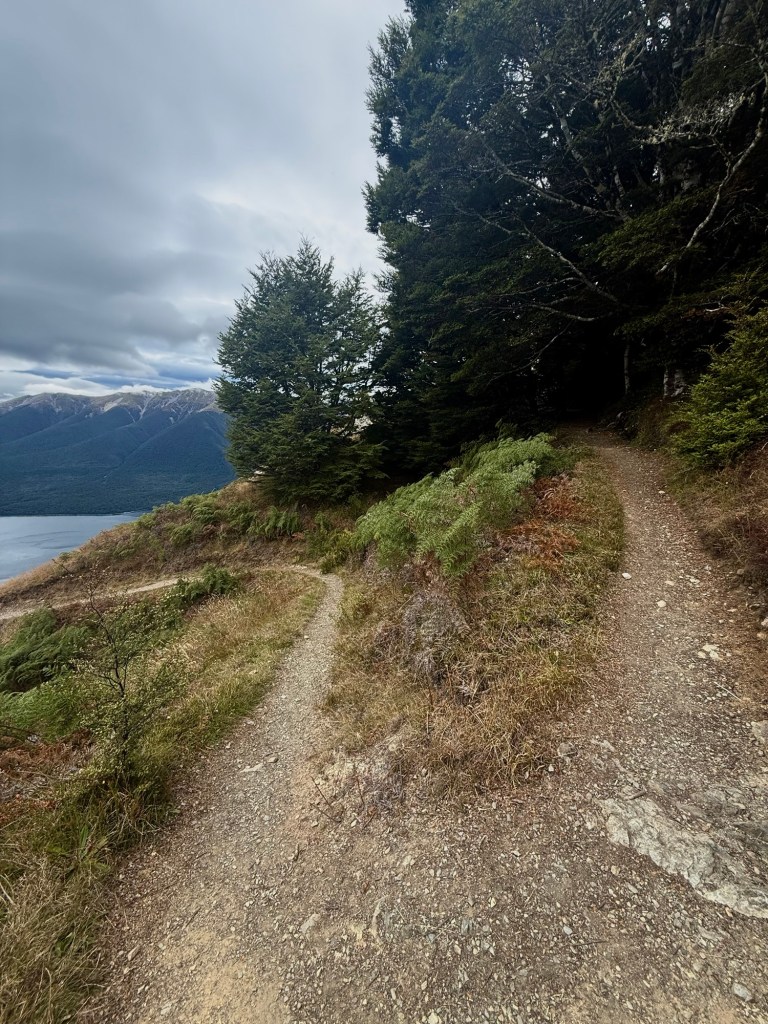
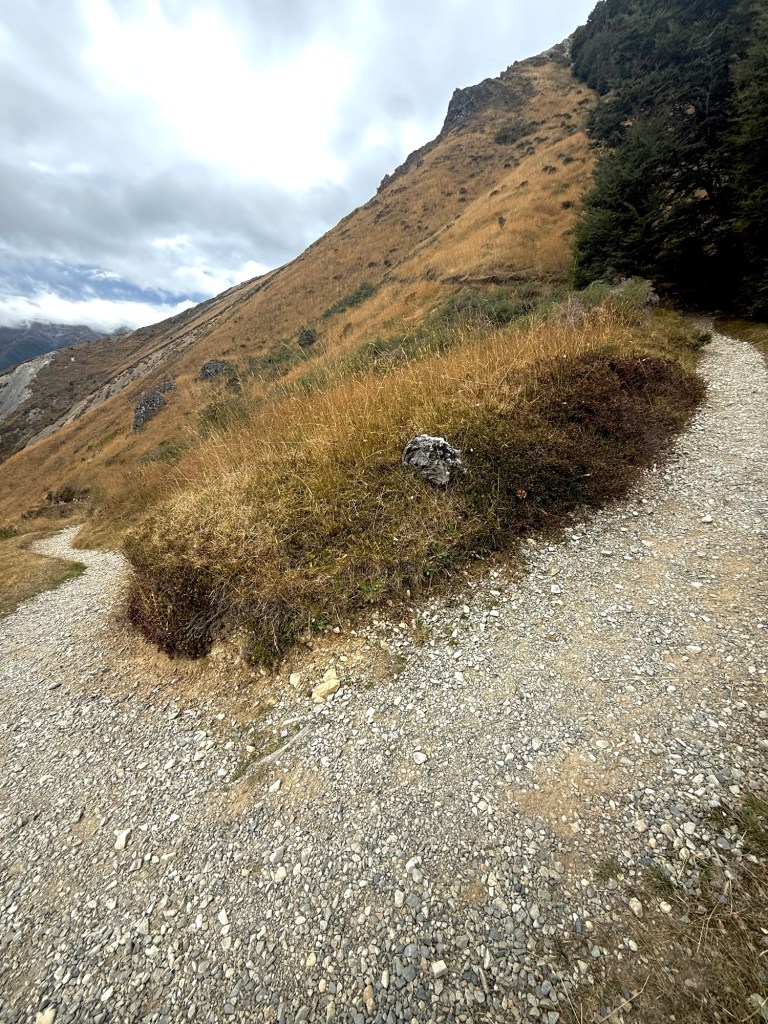
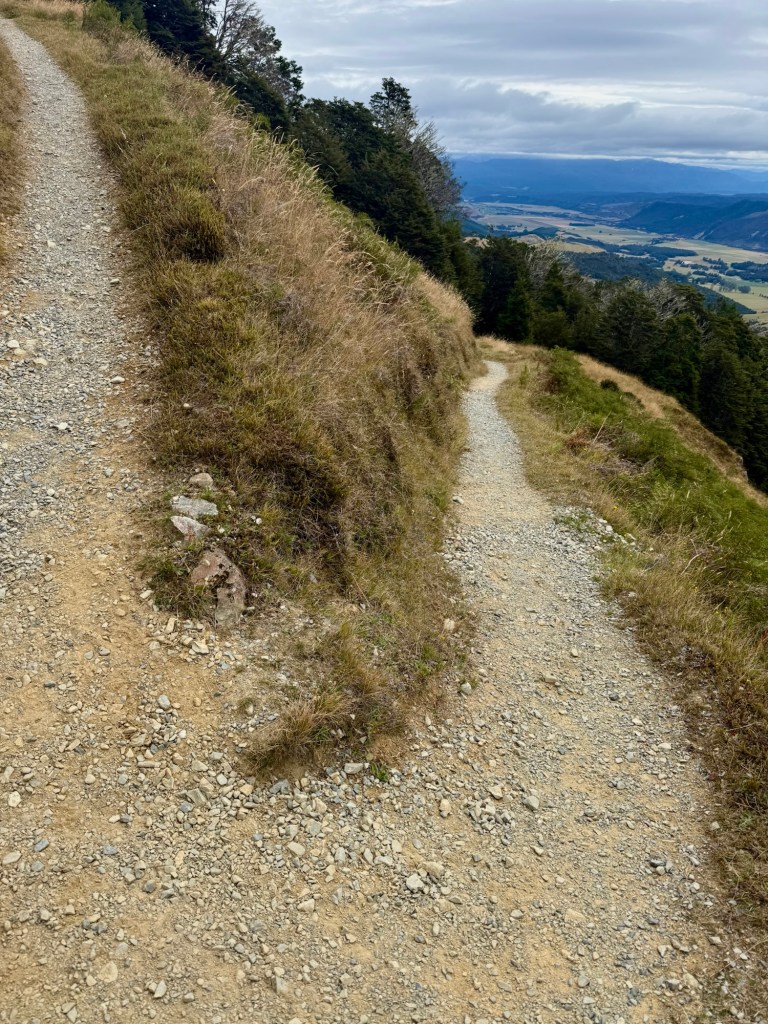
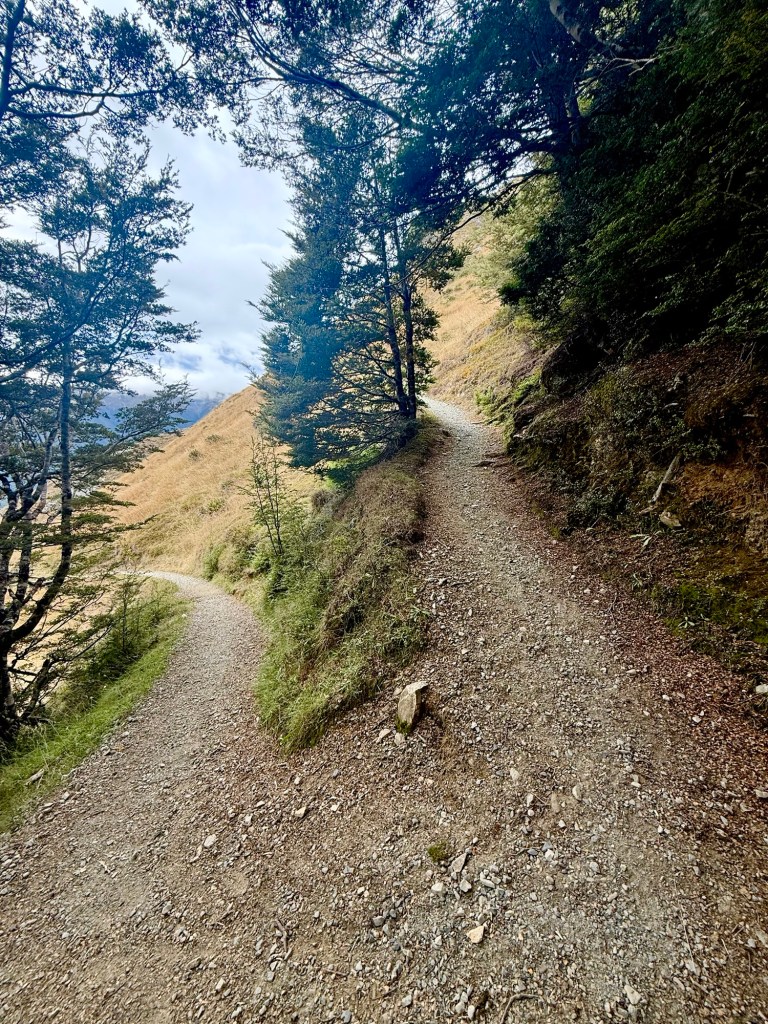
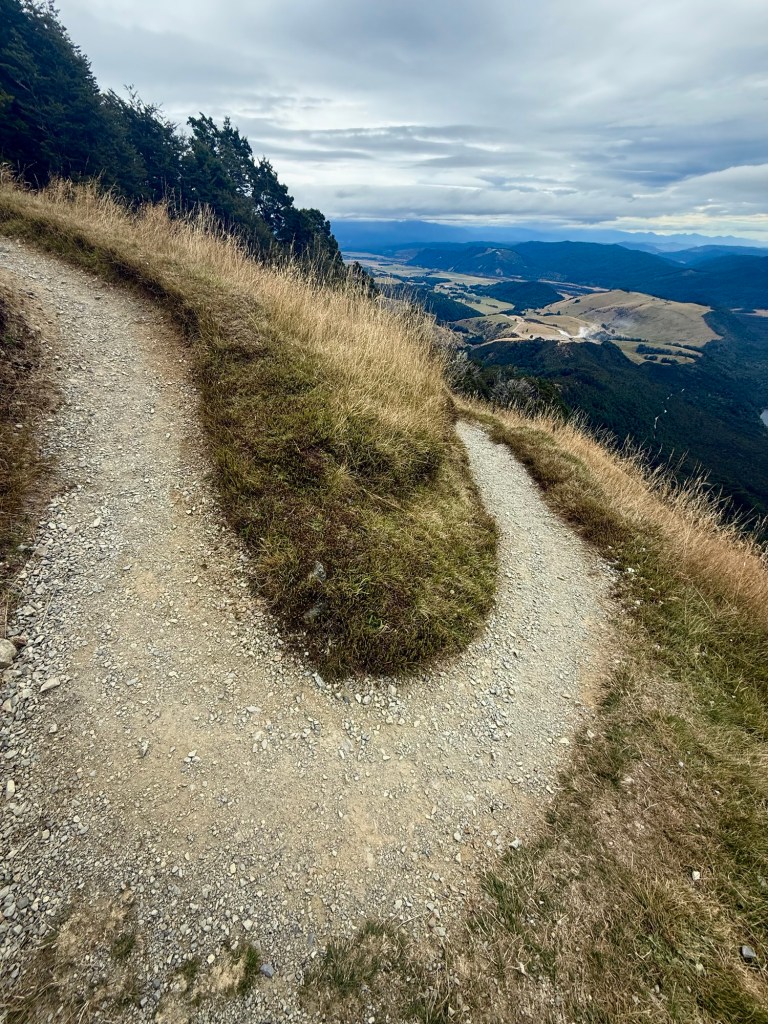
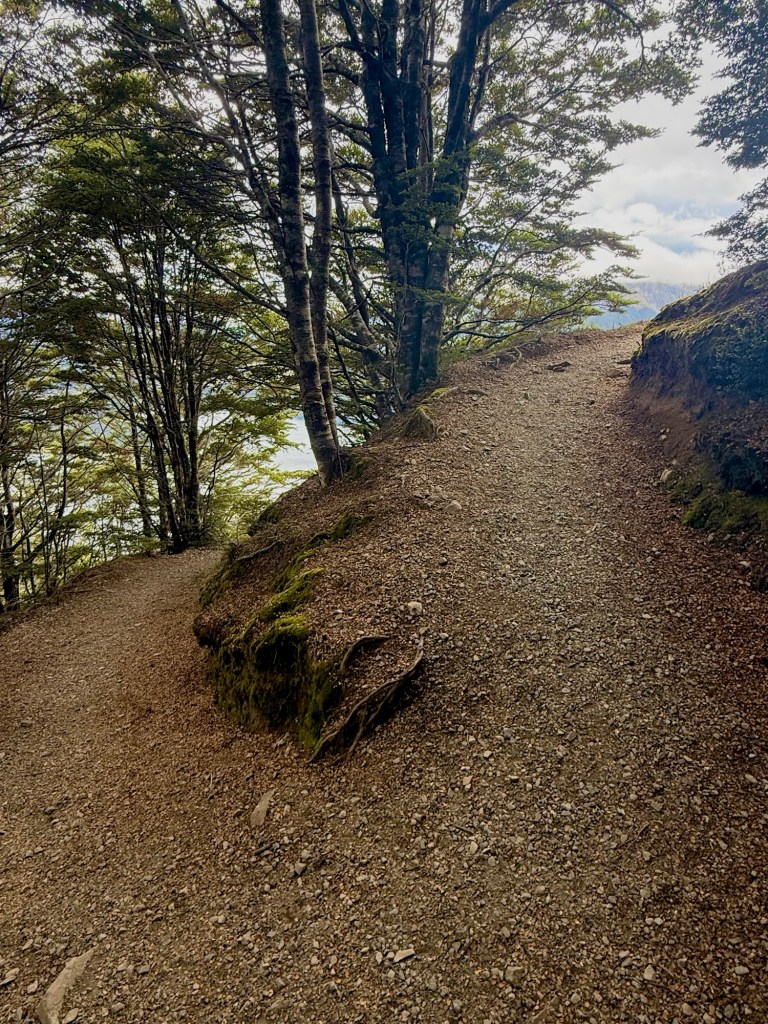
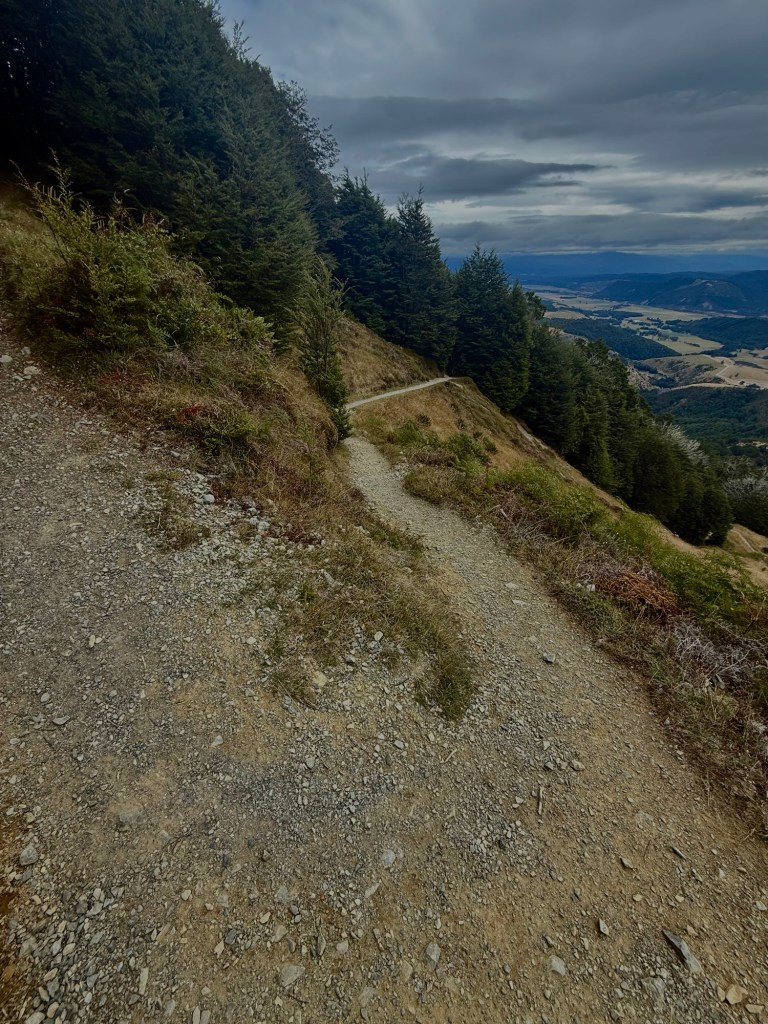
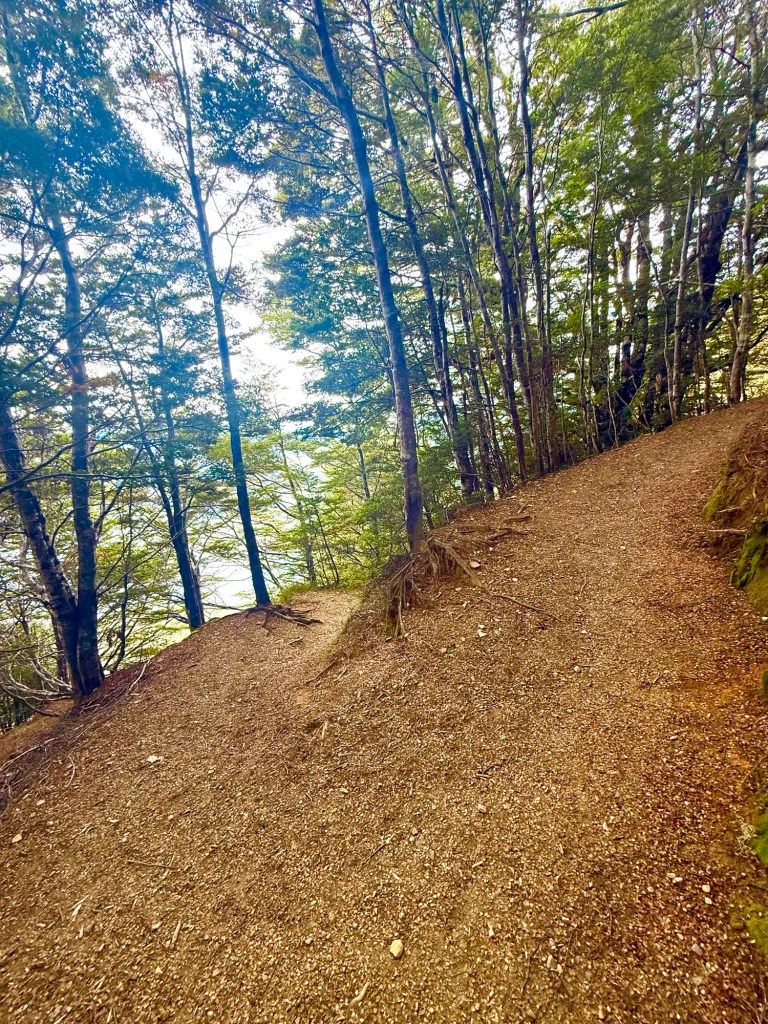
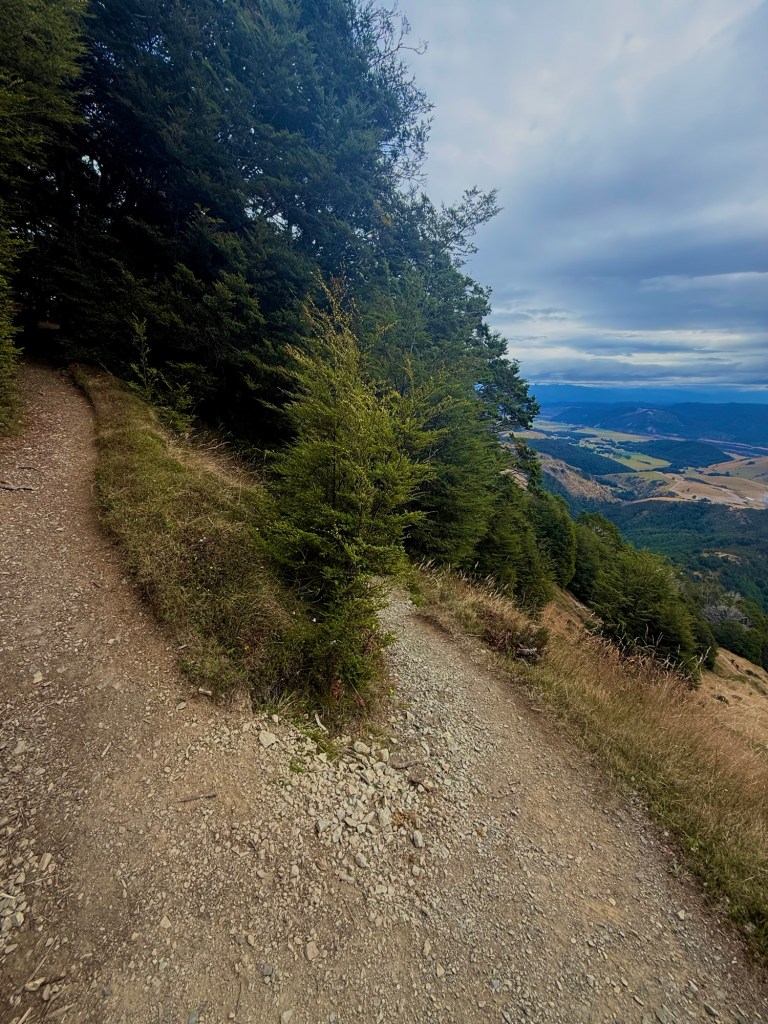
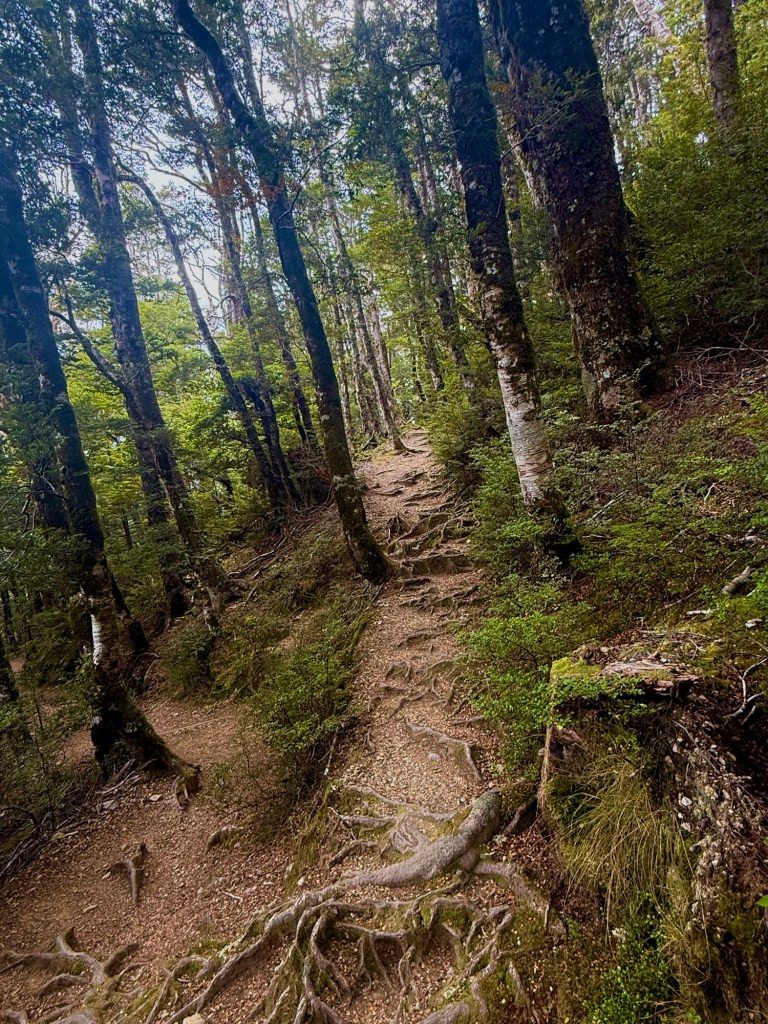
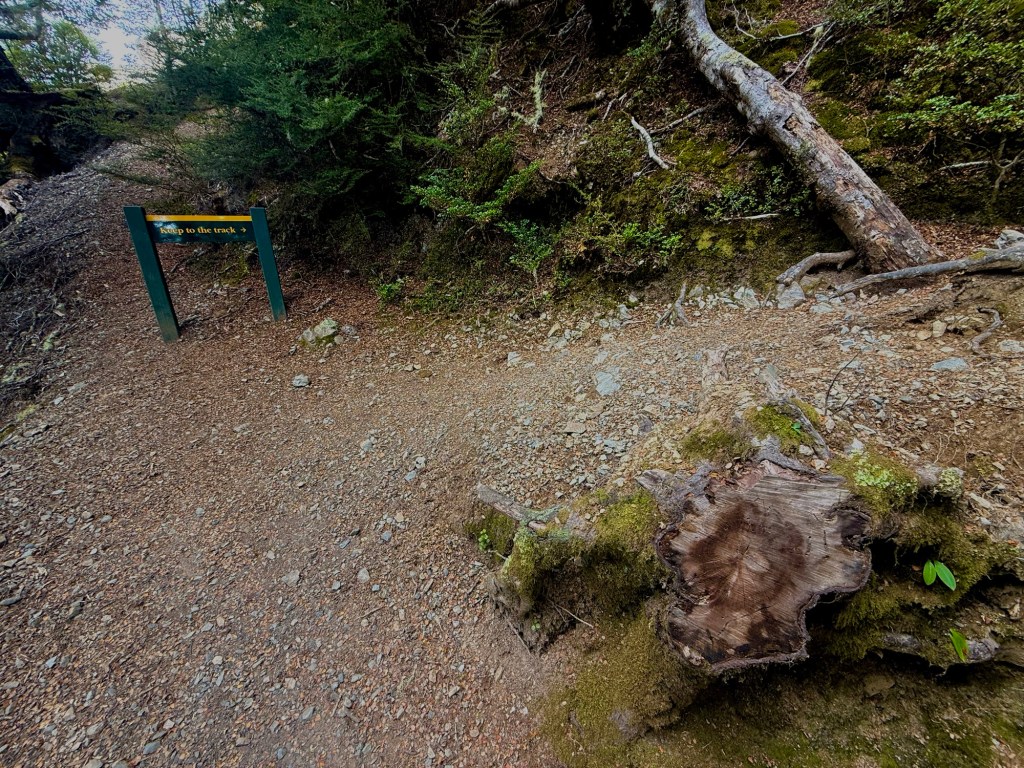
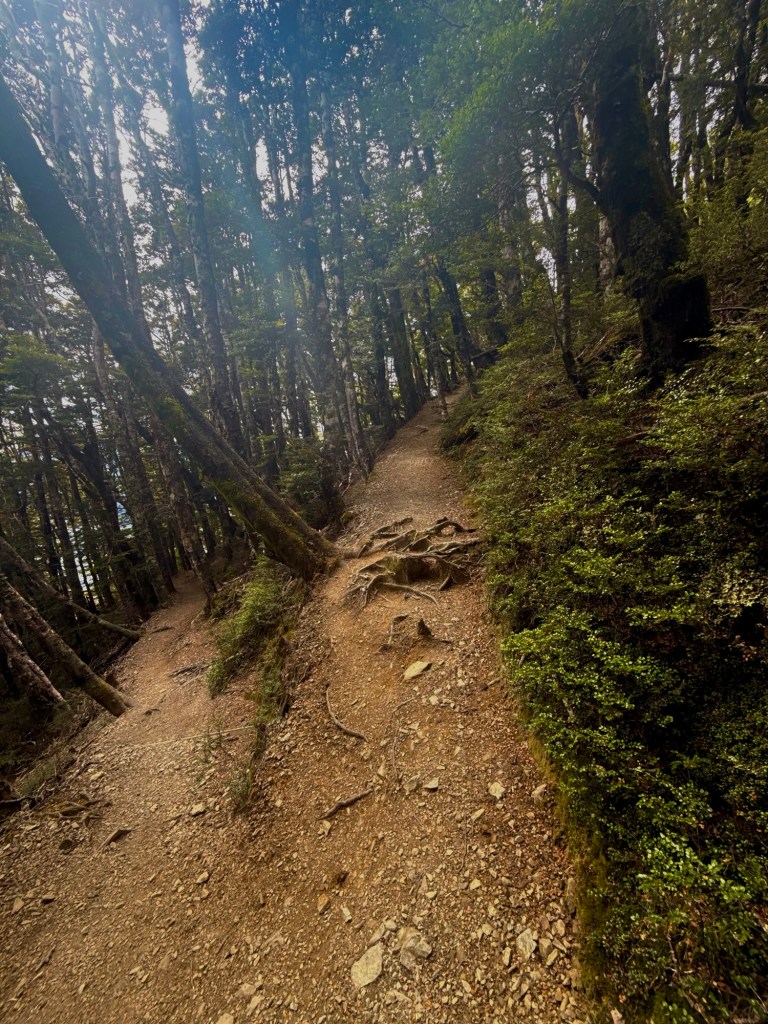
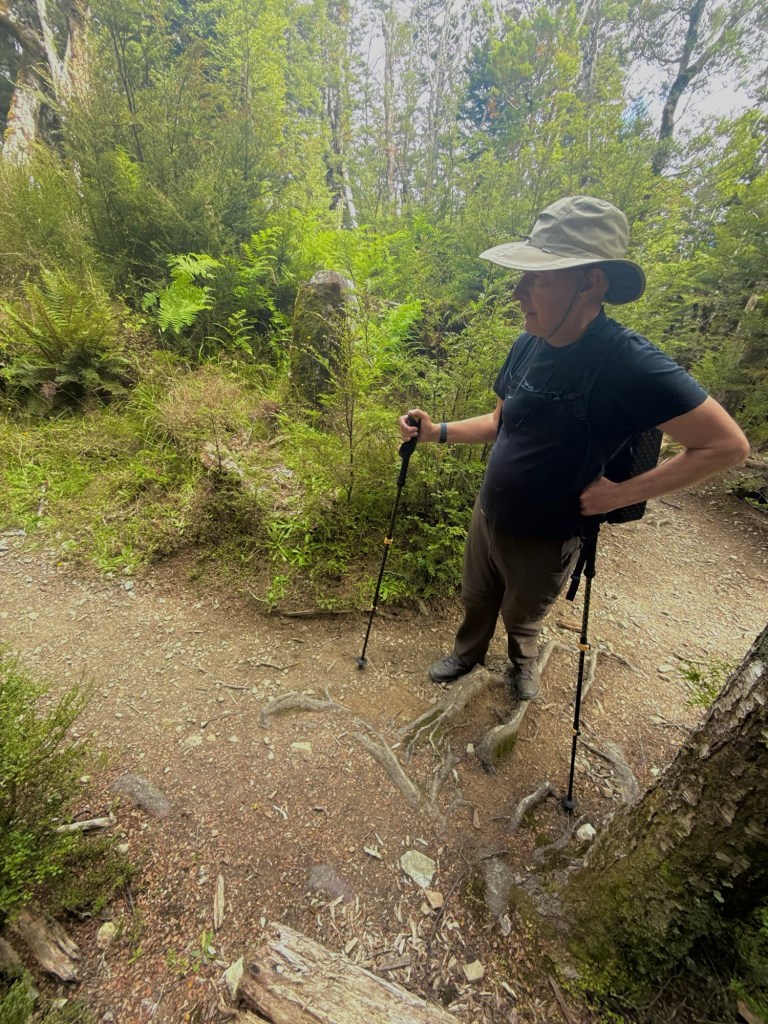
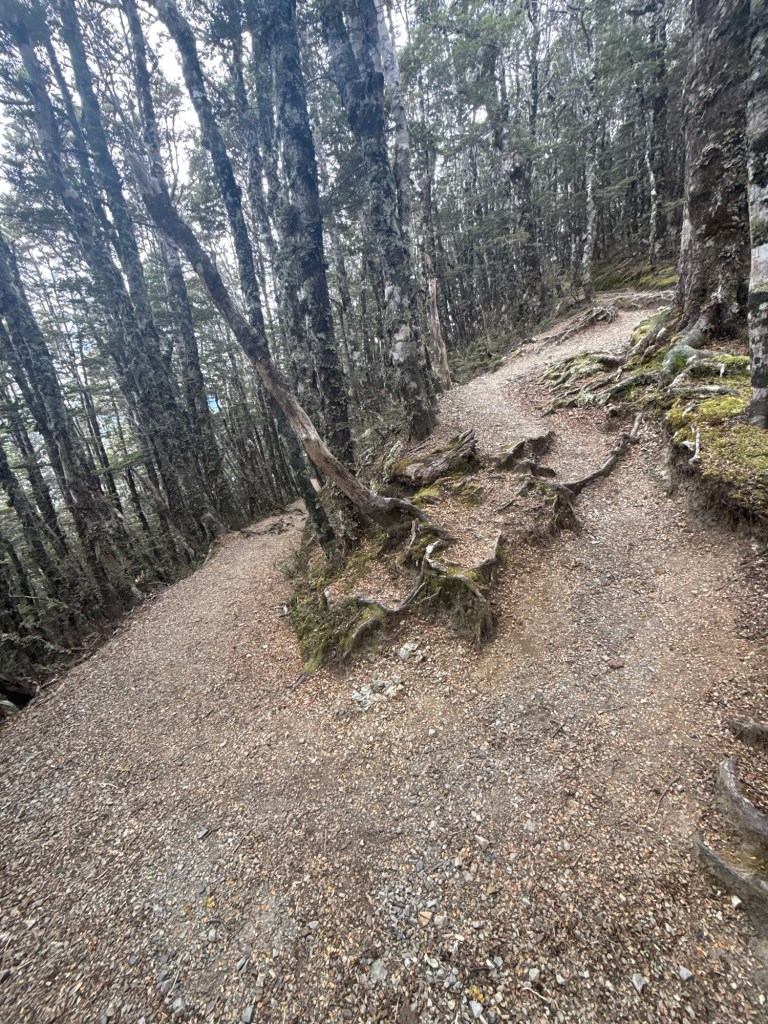
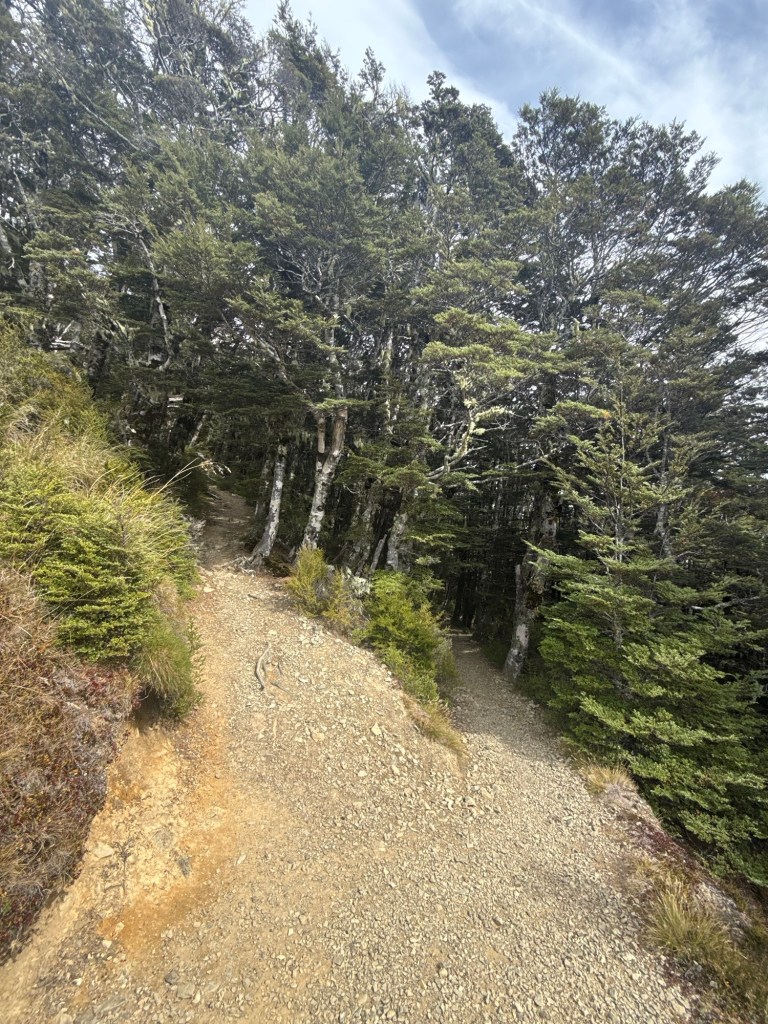
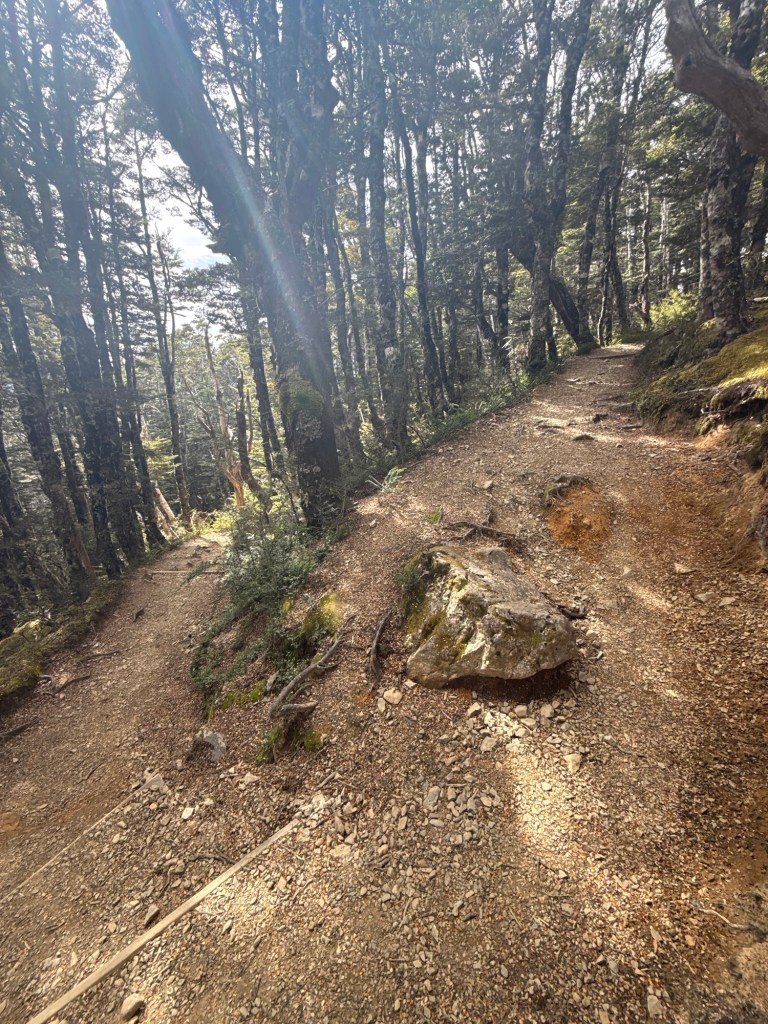
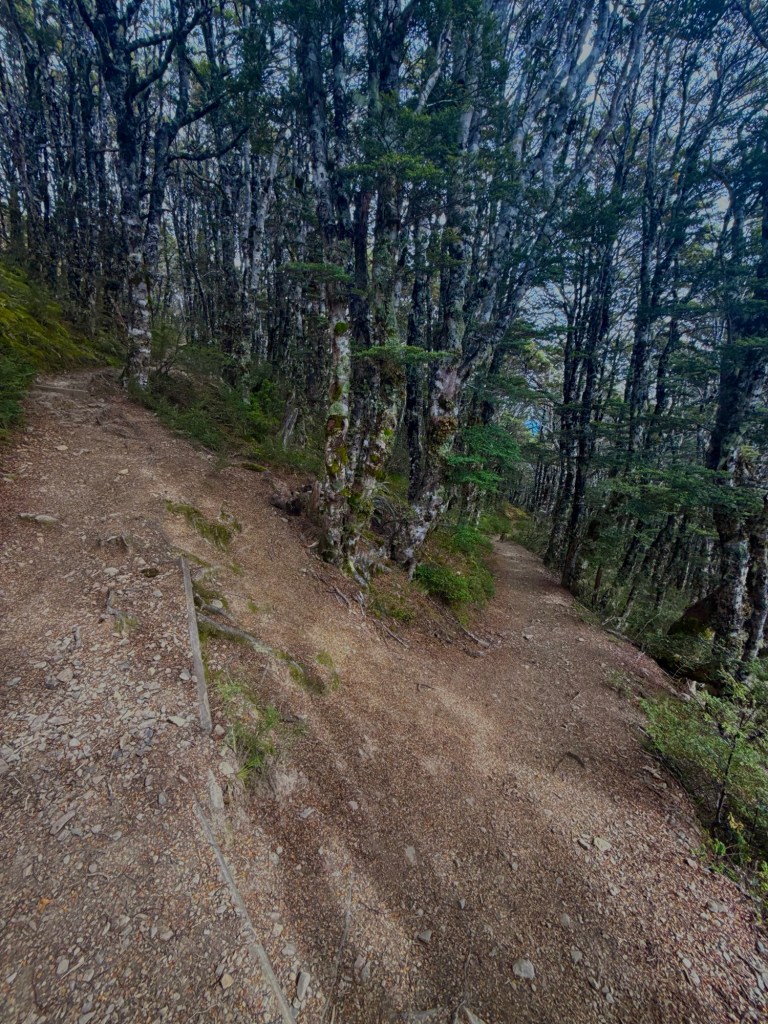
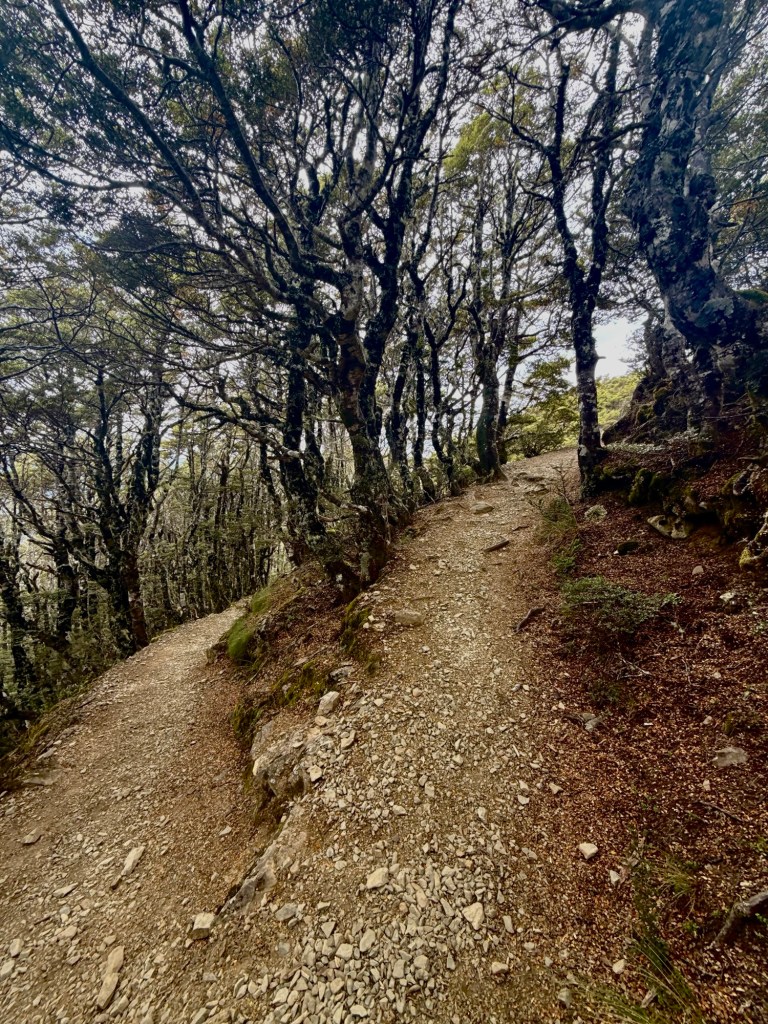
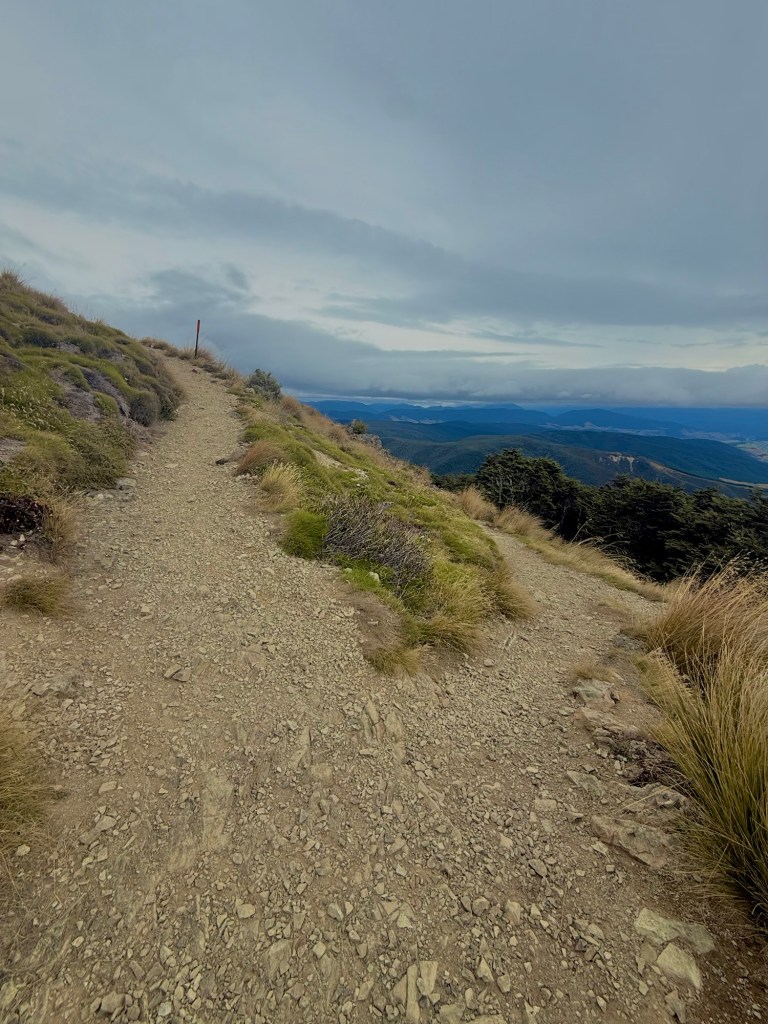
About those switchbacks: I counted them. All twenty-nine. And starting with the fourth one, I photographed each one, partly to have something to focus on besides my heavy breathing, and partly because the climb gave us plenty of time. The Pinchgut Track earns its name. It goes up, and then continues to go up, and when you think you must be close, it goes up some more. The day was overcast and windy with occasional misting rain. We were almost entirely alone up there, which on a track that gets busy in good weather felt like its own reward.
It wasn’t our most scenic day on the South Island — the weather saw to that — but there was something very peaceful about having the mountain mostly to ourselves, in the mist, working through all twenty-nine of those switchbacks without anyone to compare notes with. The whole circuit took us the better part of the day.
The switchbacks—almost all of them!
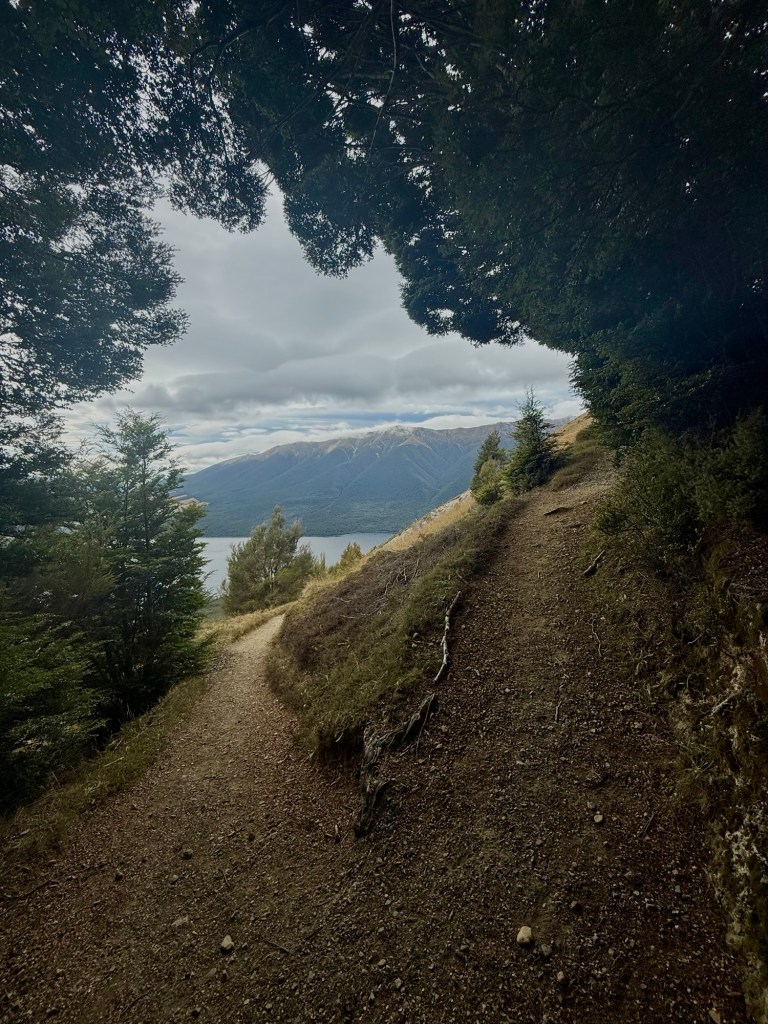
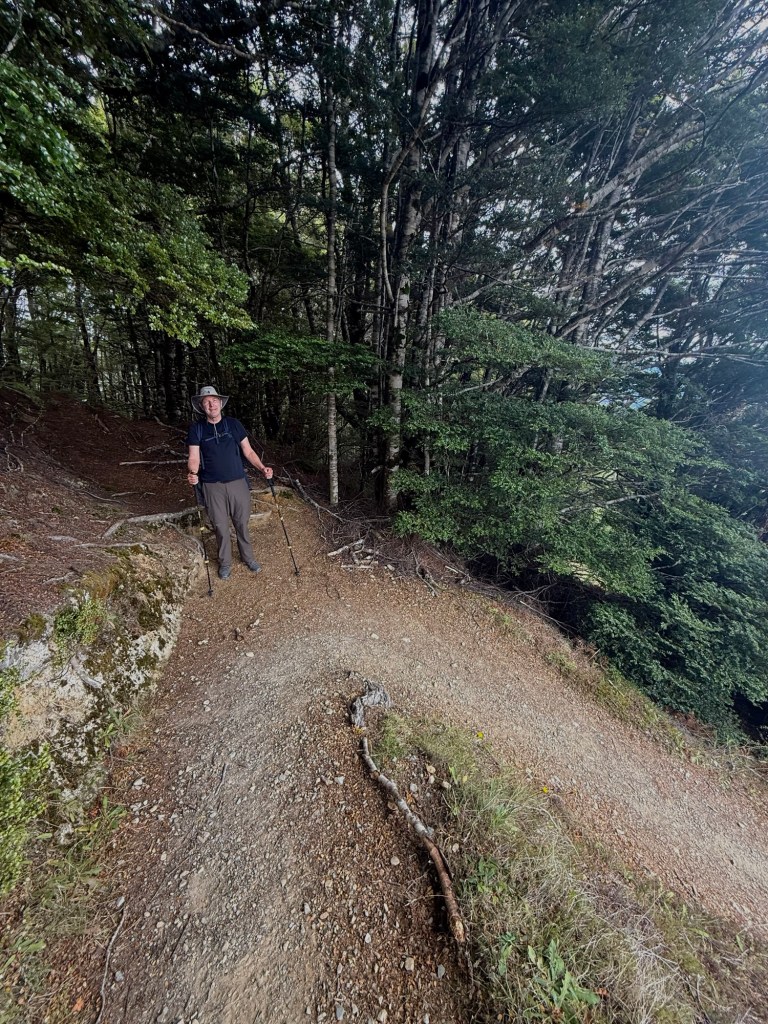
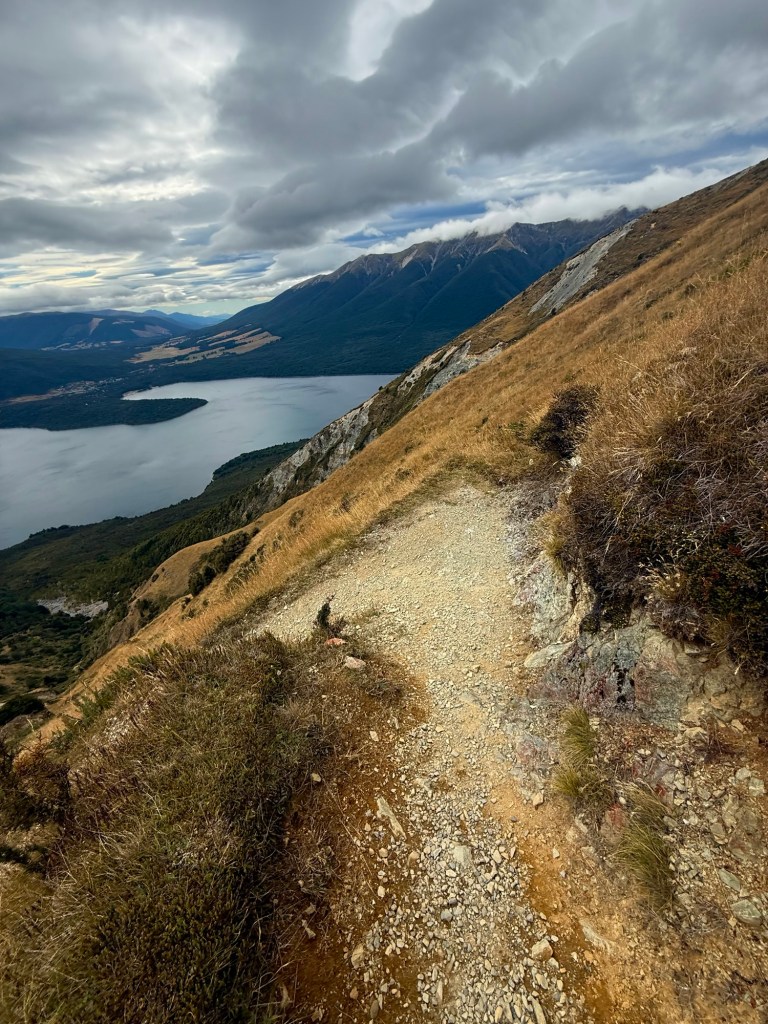
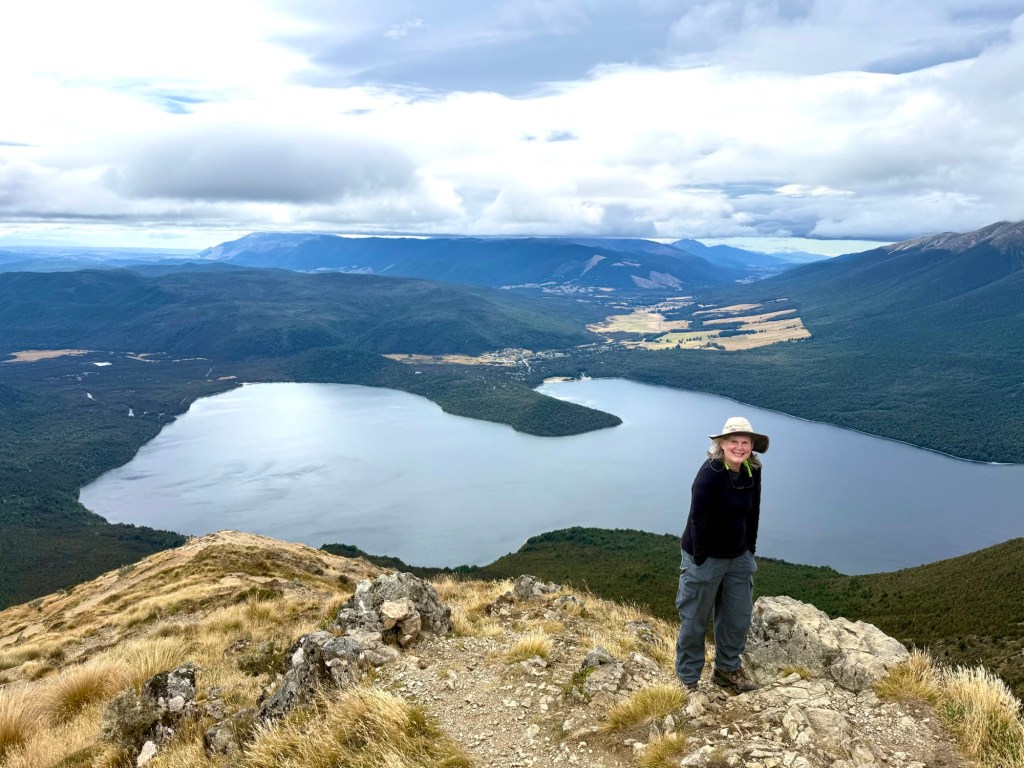
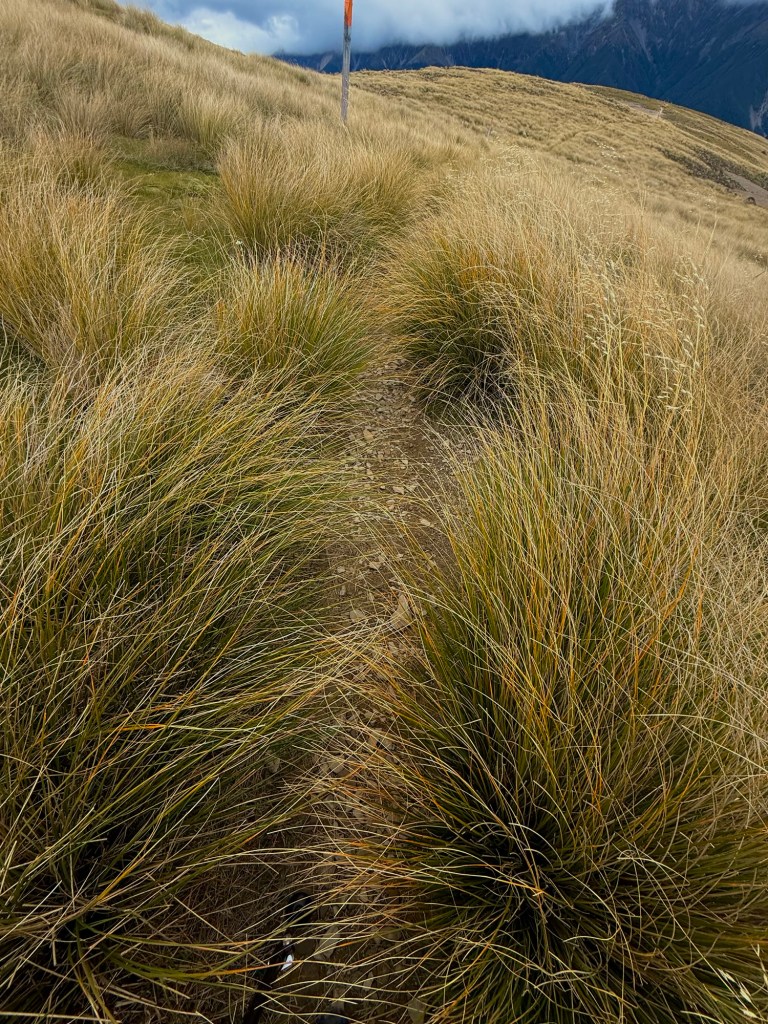
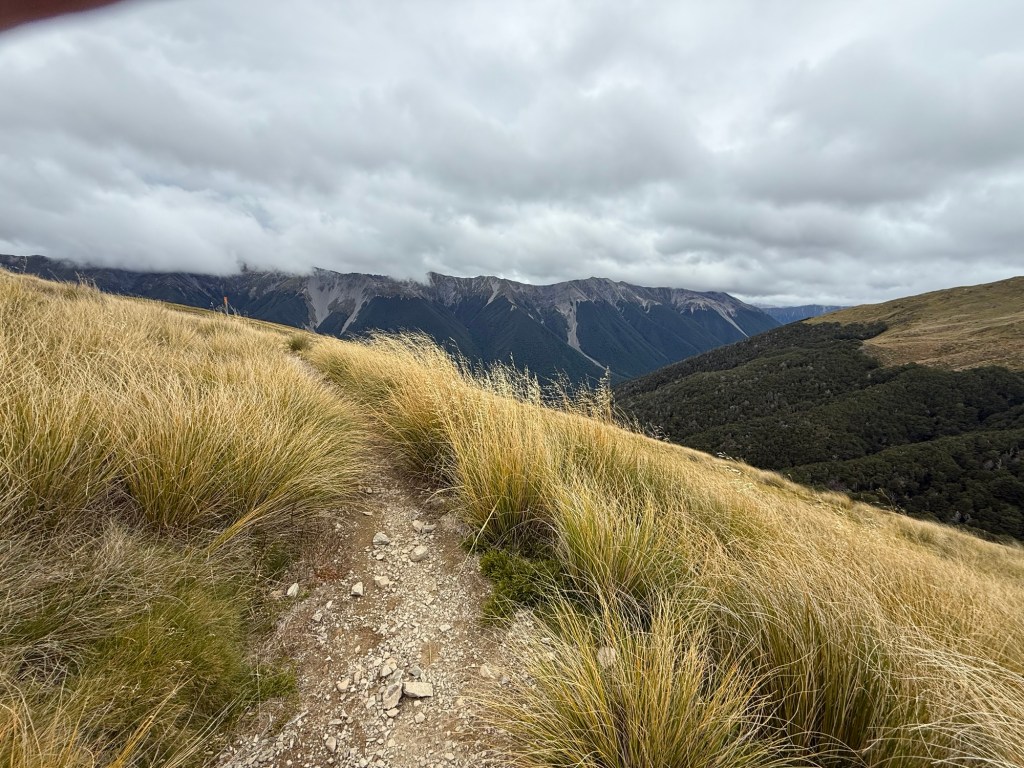
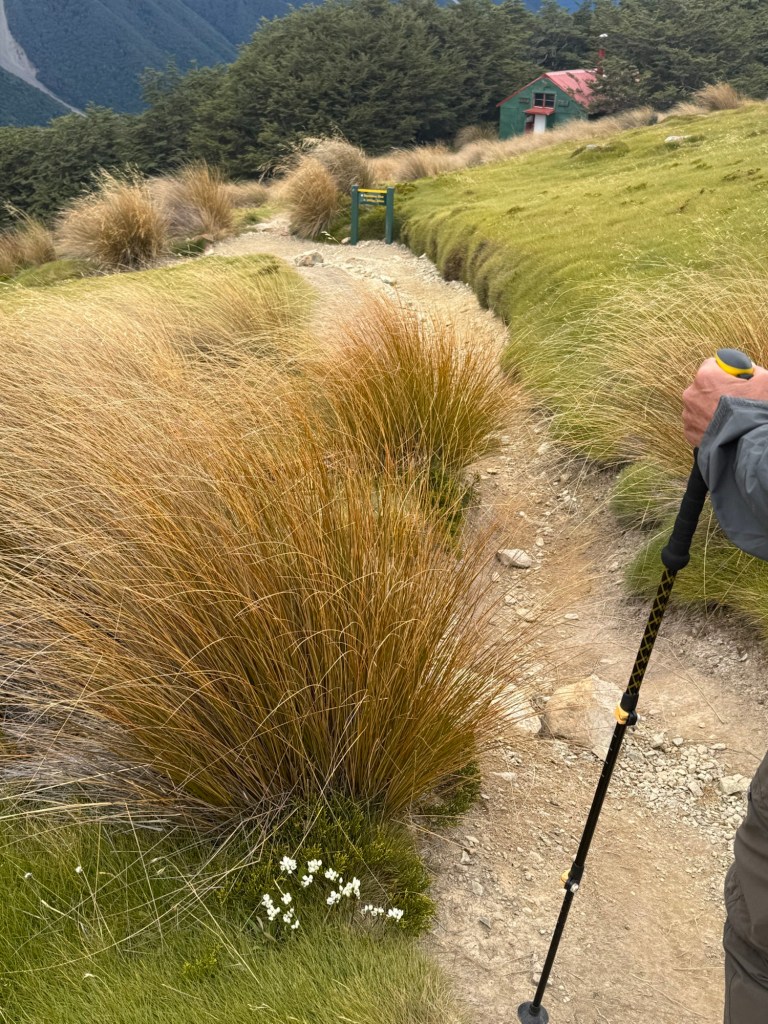
And then the grassy descent…
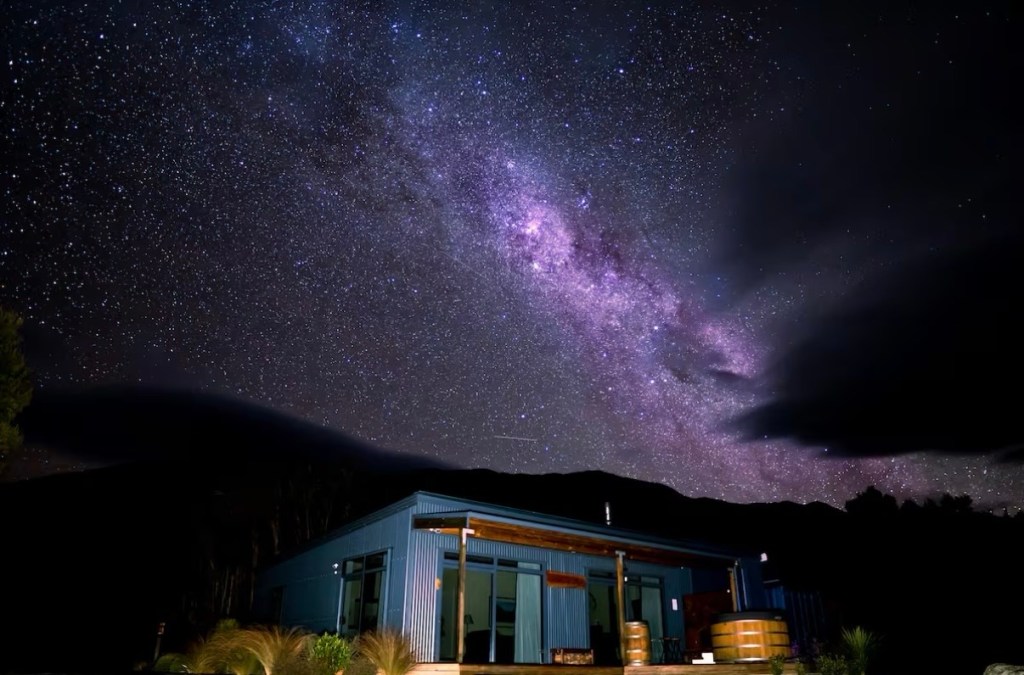
The hot tub at the Woodsman’s Den that night was not optional. We sat in the water under the bright night sky, muscles slowly recovering, thinking about what was next. The next morning we’d be flying from Nelson to Taupo, and whatever the North Island had in store.
 Pete & Lori's Retirement adventures