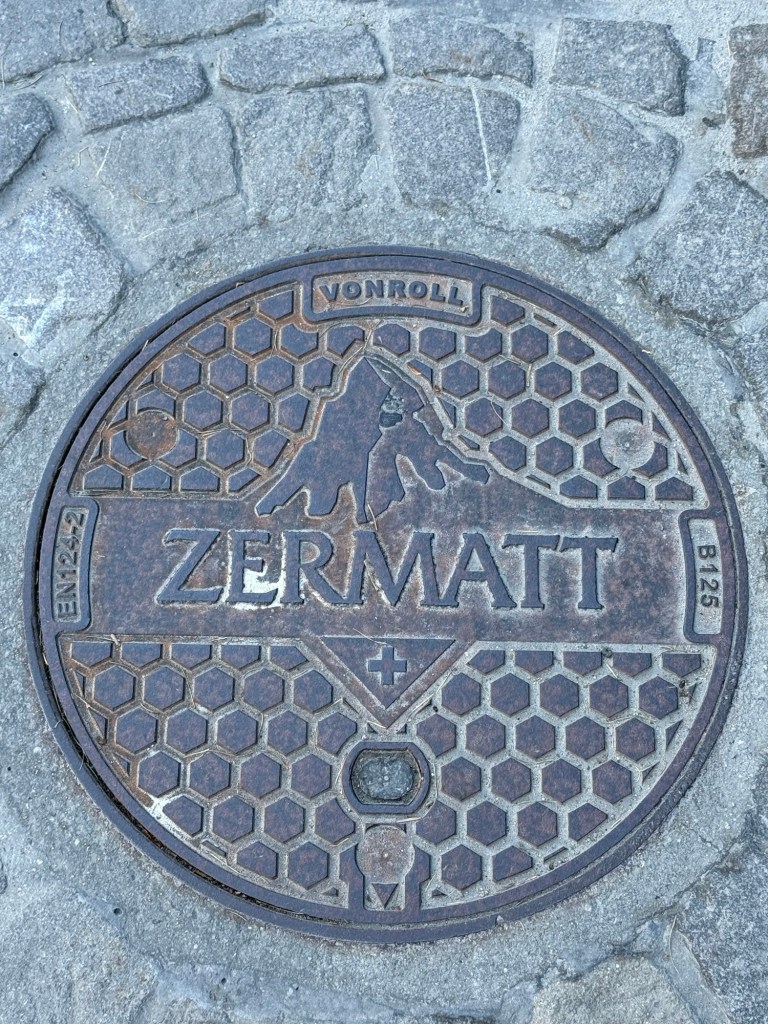
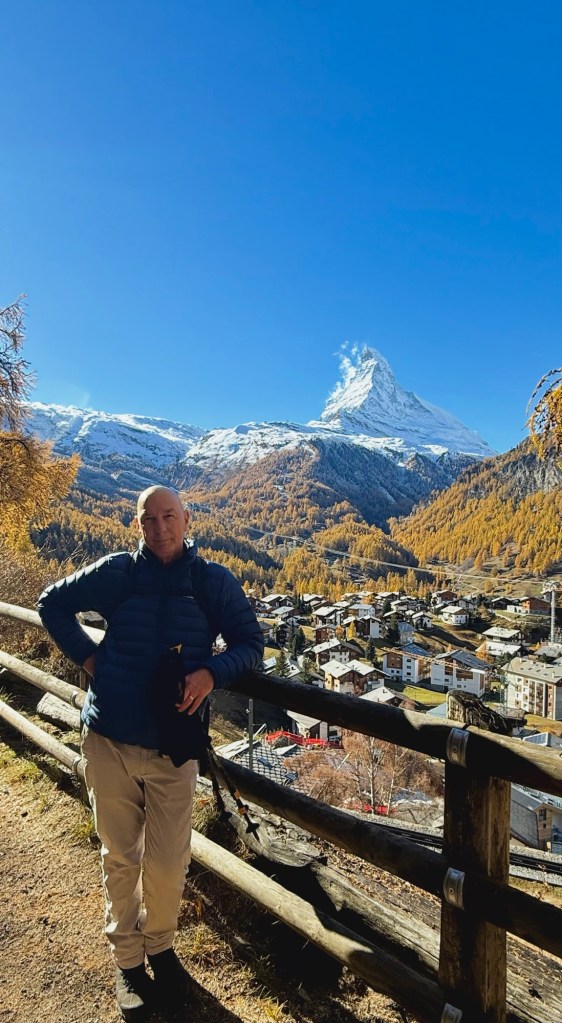
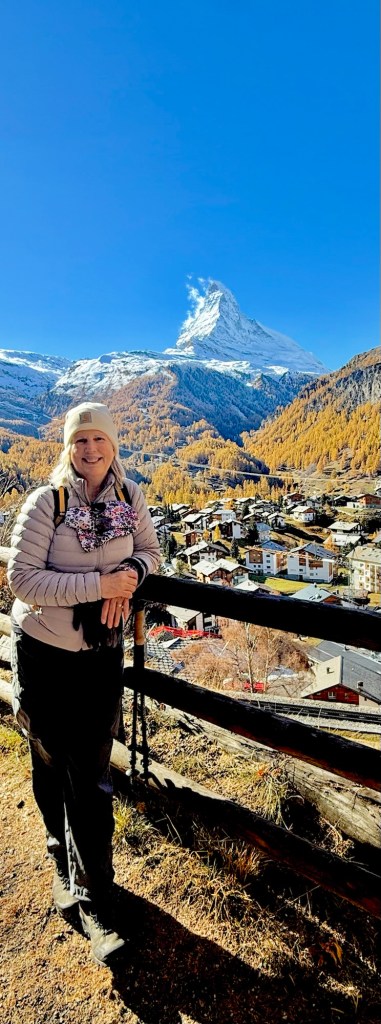
I first saw the Matterhorn in August 1987, when I arrived to teach at Swiss Semester. Pete and I returned in 2013 for our 25th wedding anniversary, and here we were again, nearly 40 years after my first visit. Some places just stay with you.
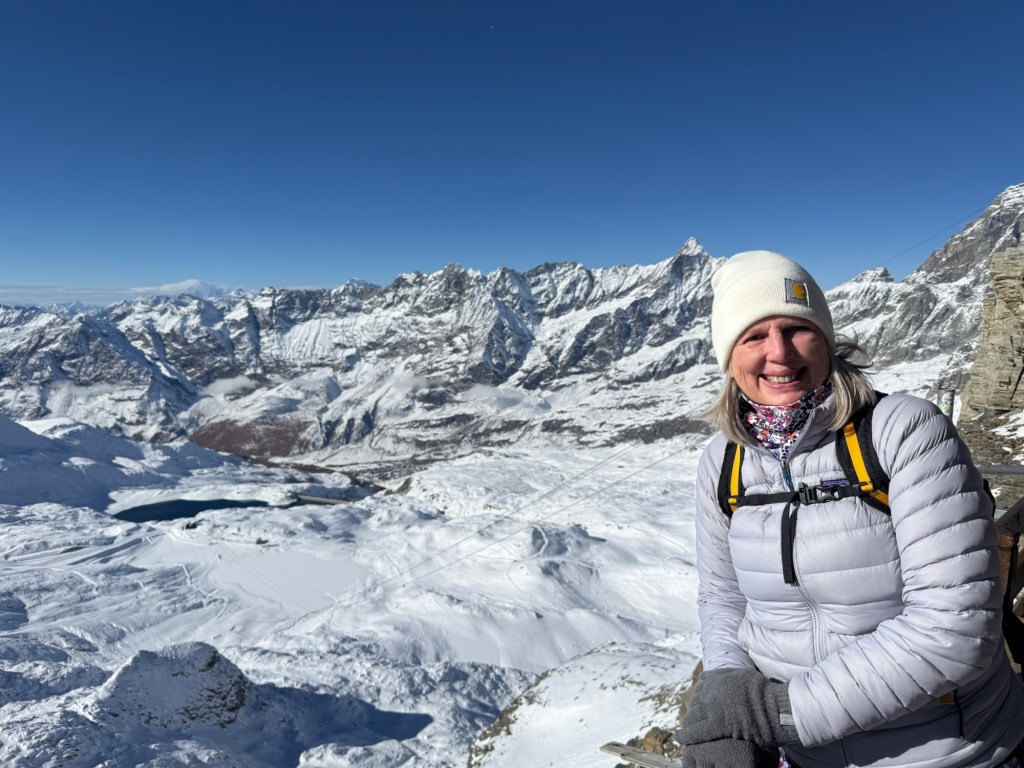
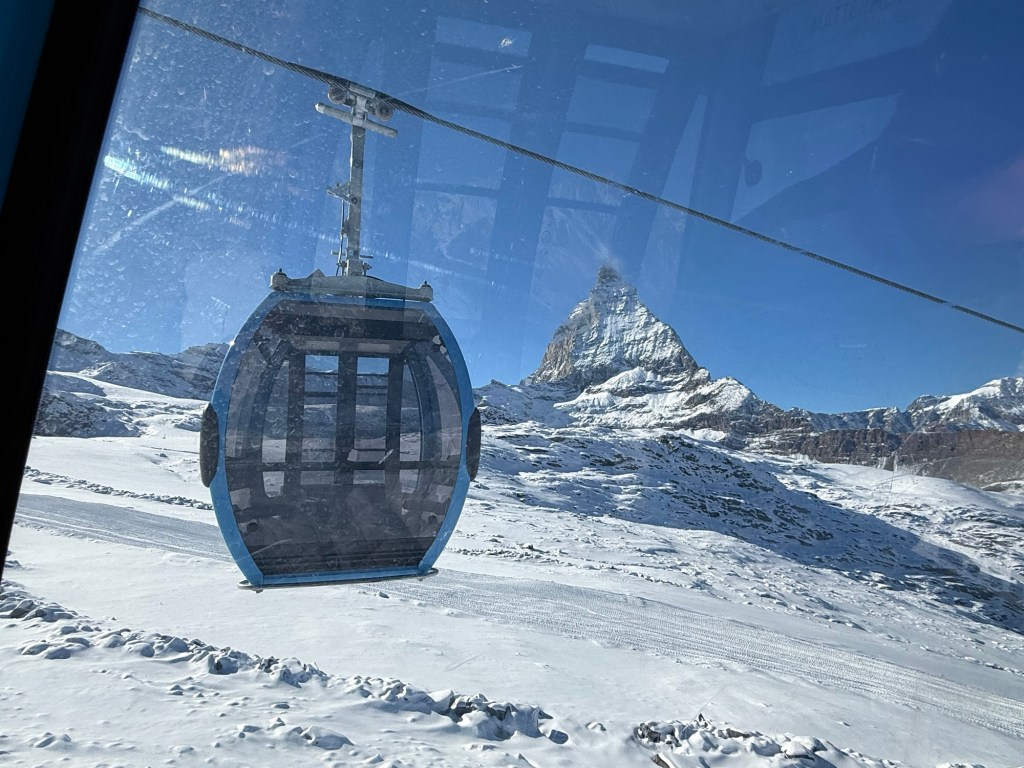
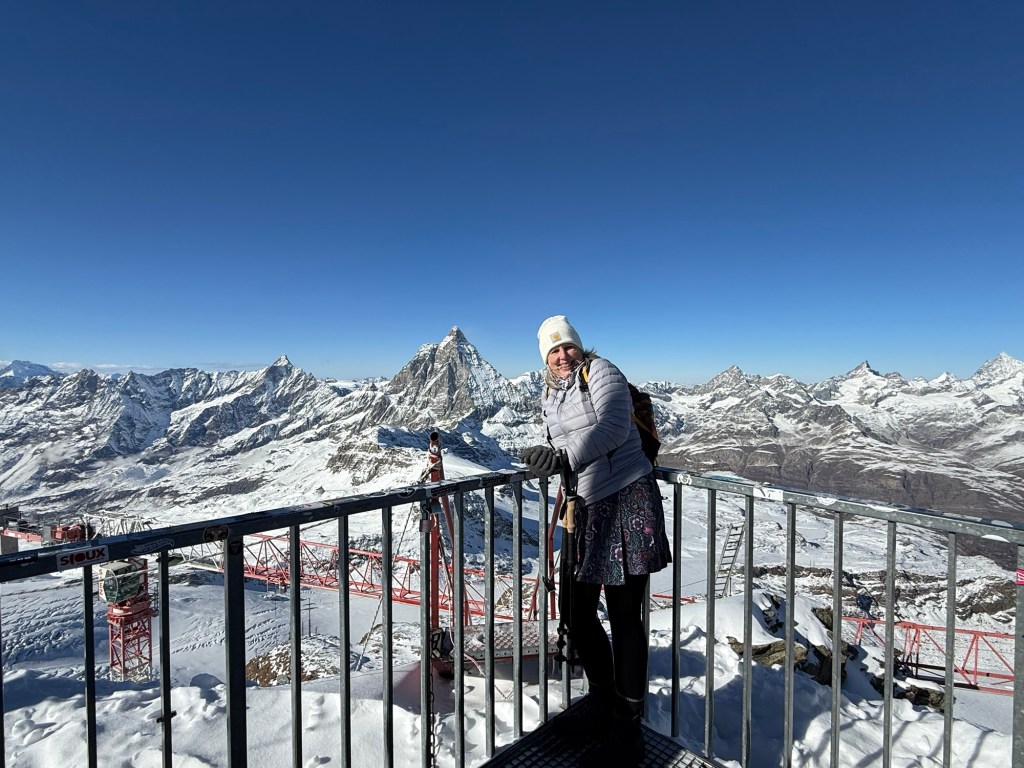
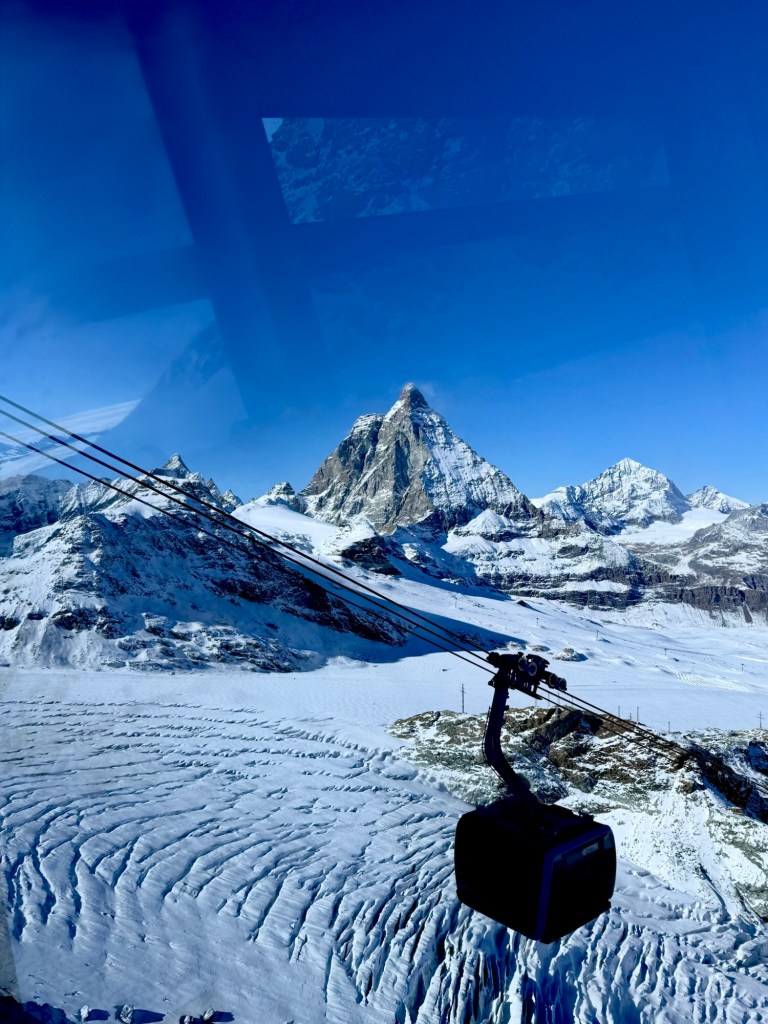
At nearly 15,000 feet, the Matterhorn is one of the most recognizable mountains in the world. Its pyramidal shape, carved by glaciers, has been photographed millions of times and even helped inspire the shape of Toblerone chocolate bars. While no photograph really does it justice, it didn’t stop me from taking dozens!
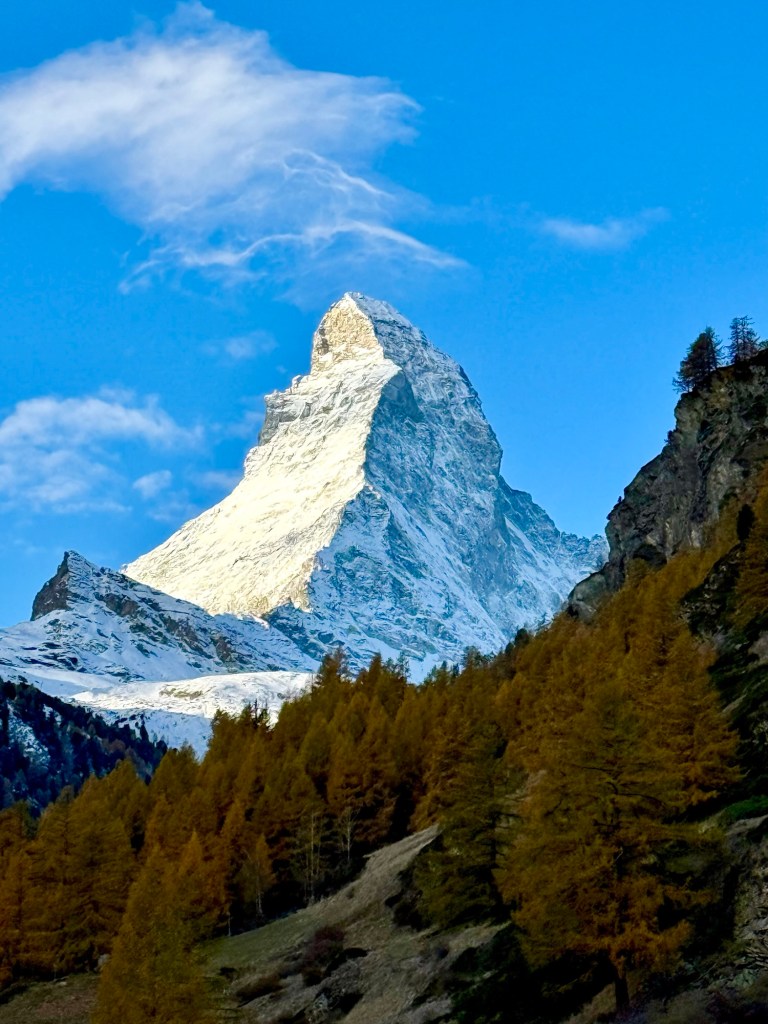
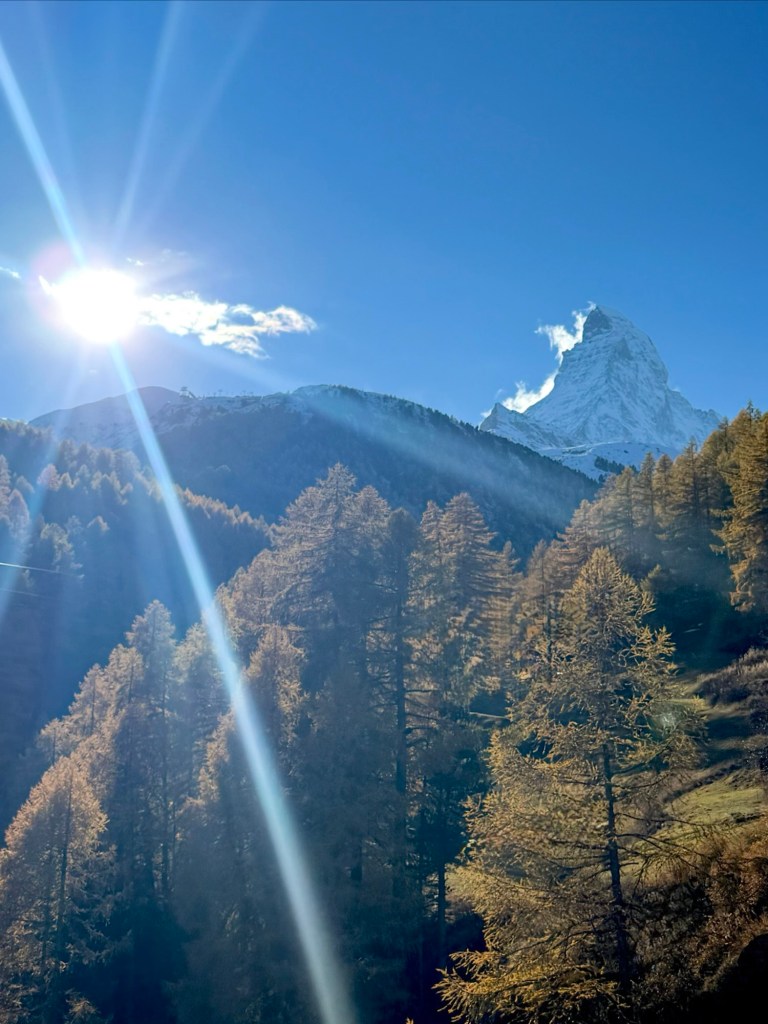
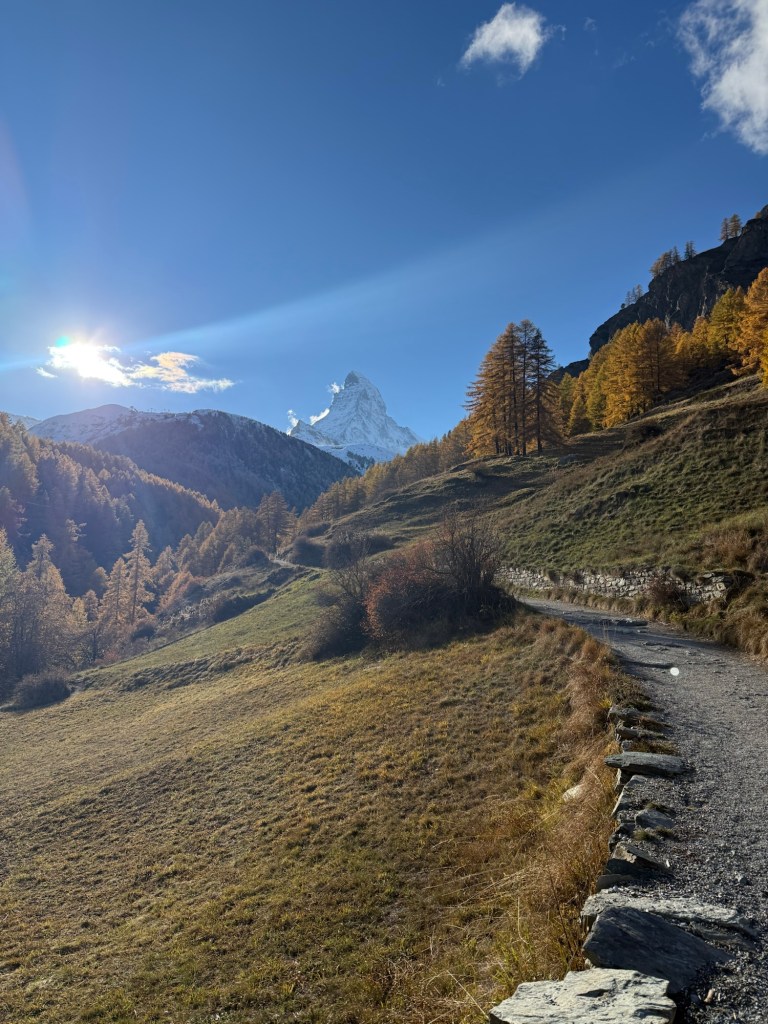
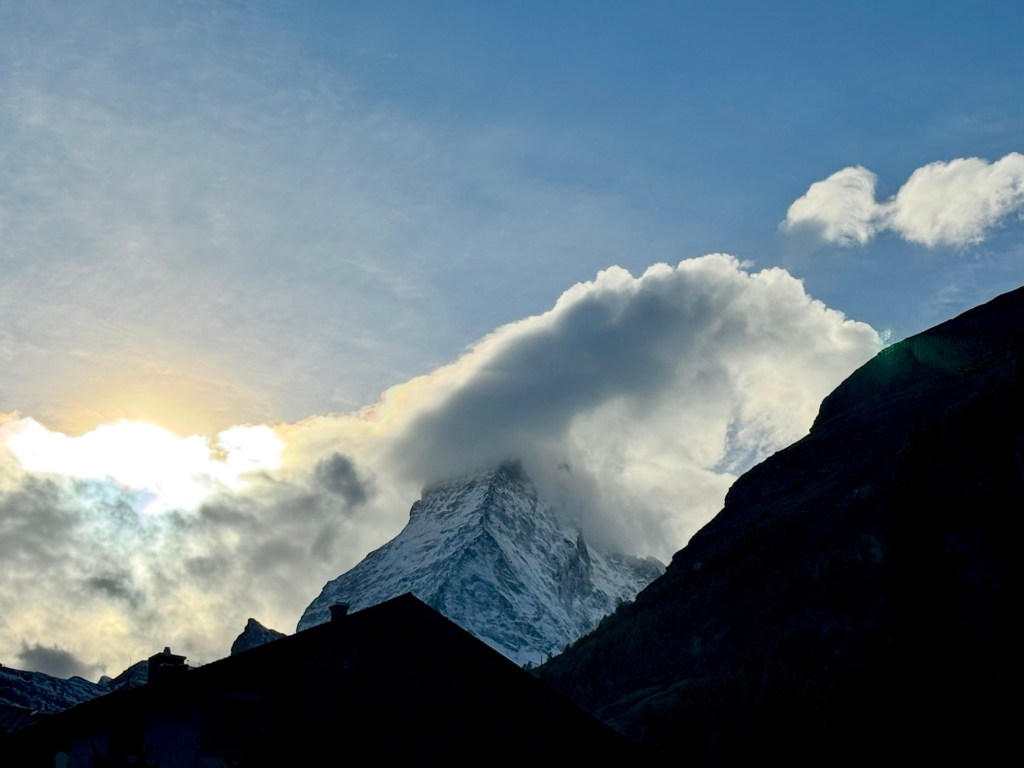
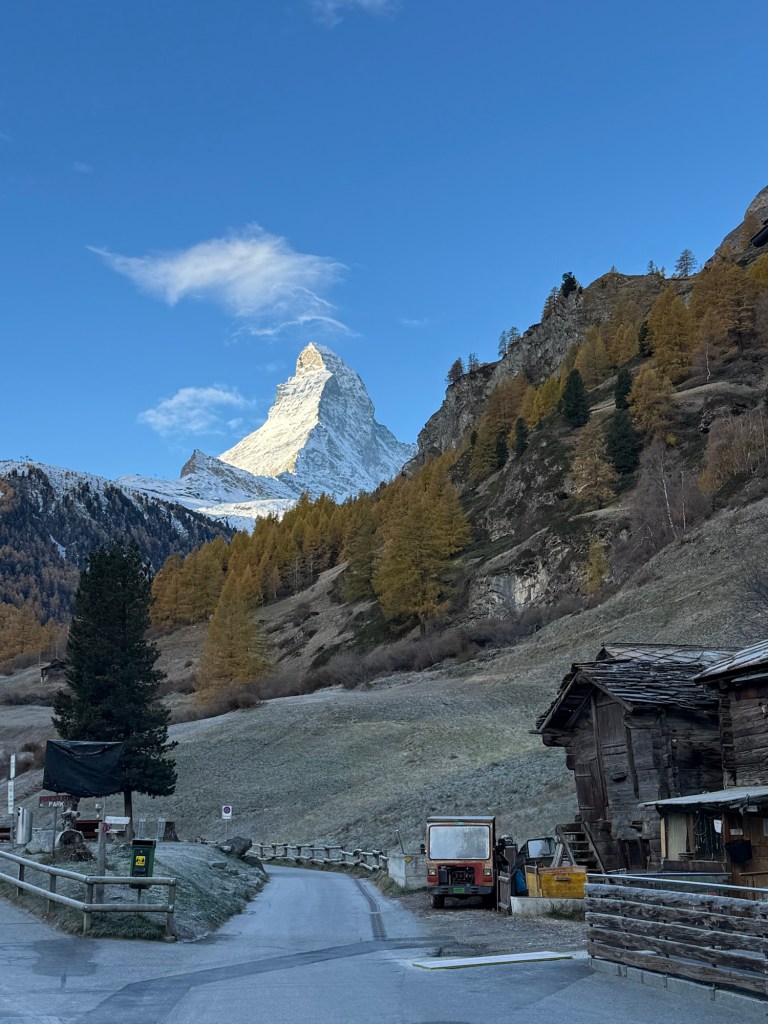
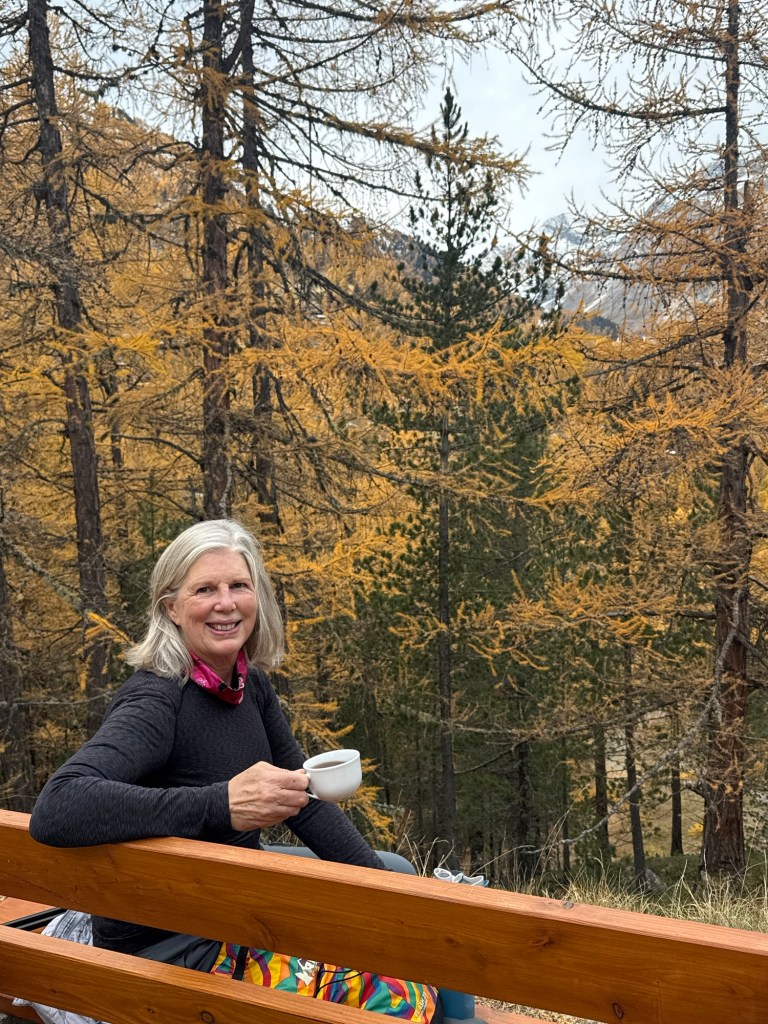
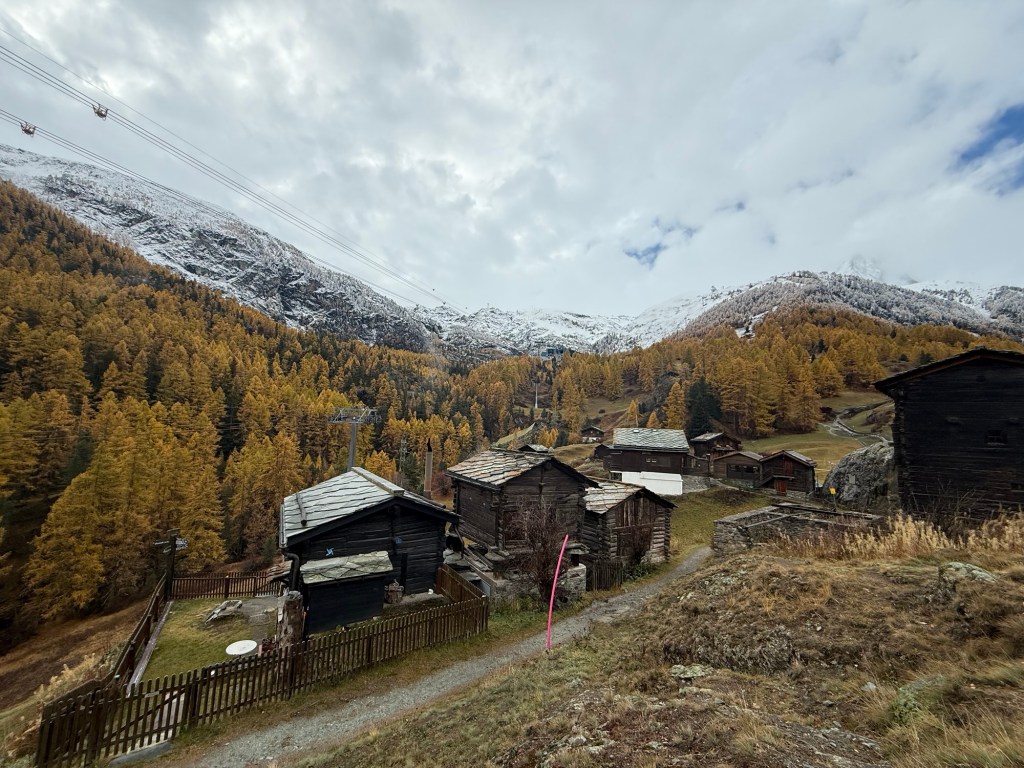
We couldn’t have picked a prettier time to visit. The hillsides were covered in brilliant yellow larches, which we learned look like pine trees but actually lose their needles every autumn. The golden larches, dark green pines, and snow-covered peaks were a stunning combination, especially with the Matterhorn rising above everything.
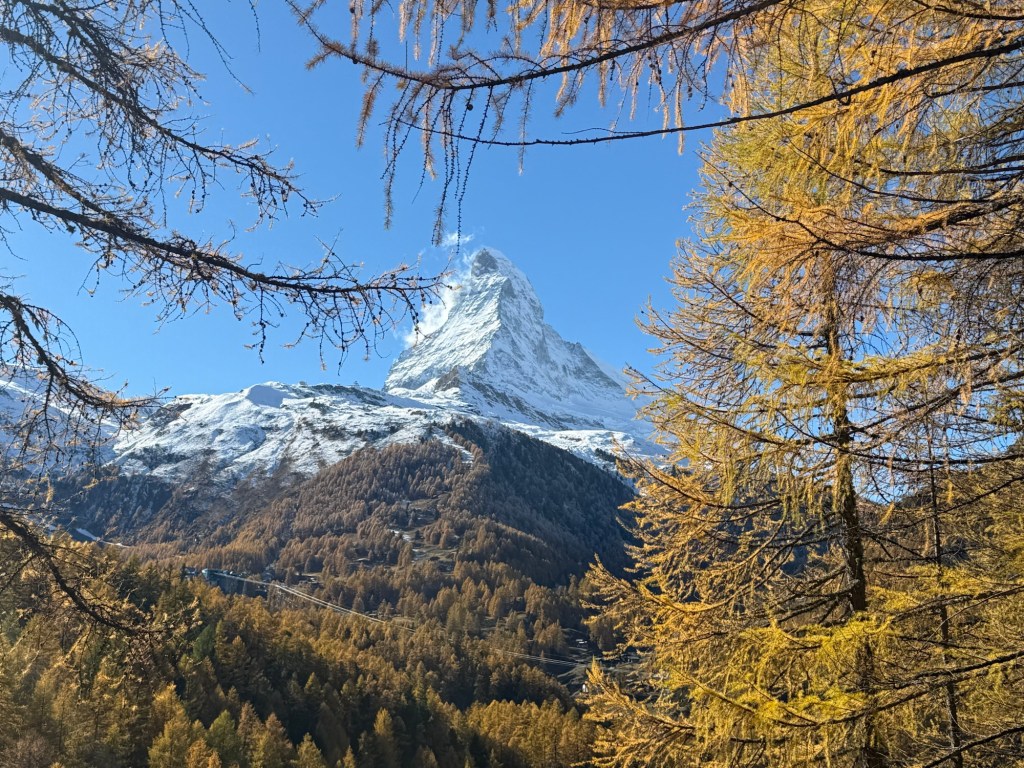
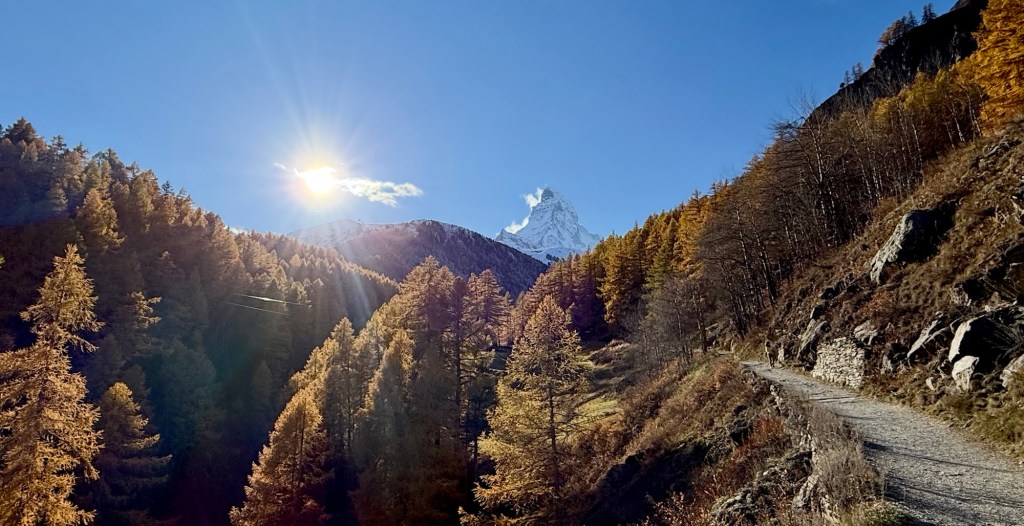
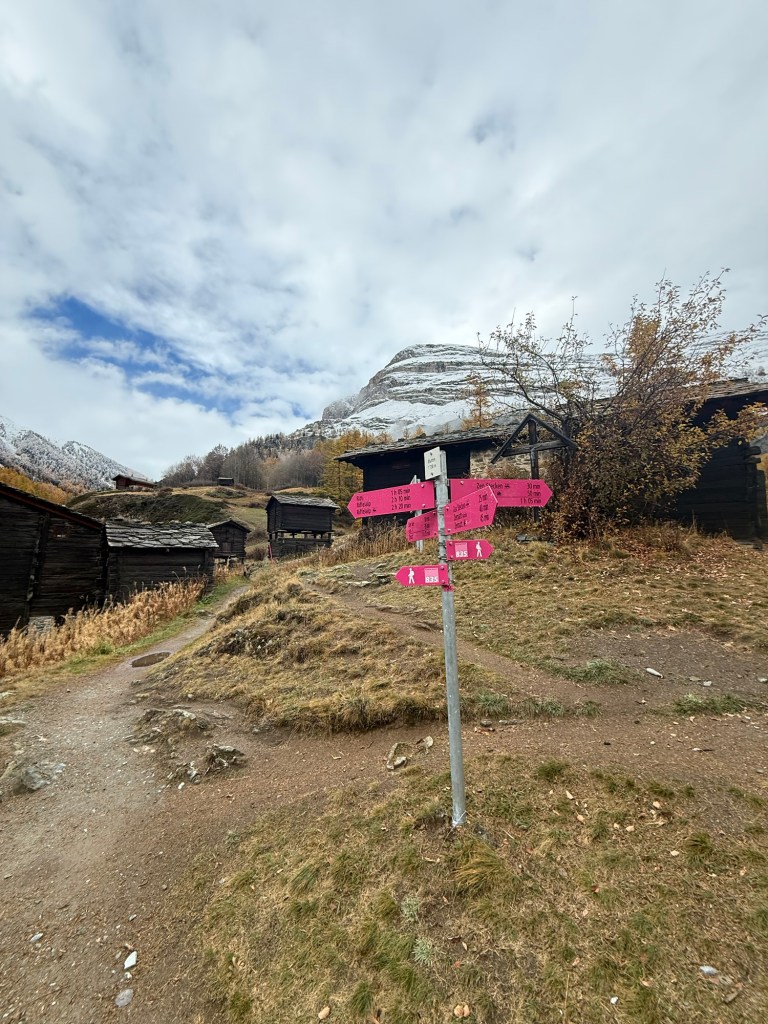
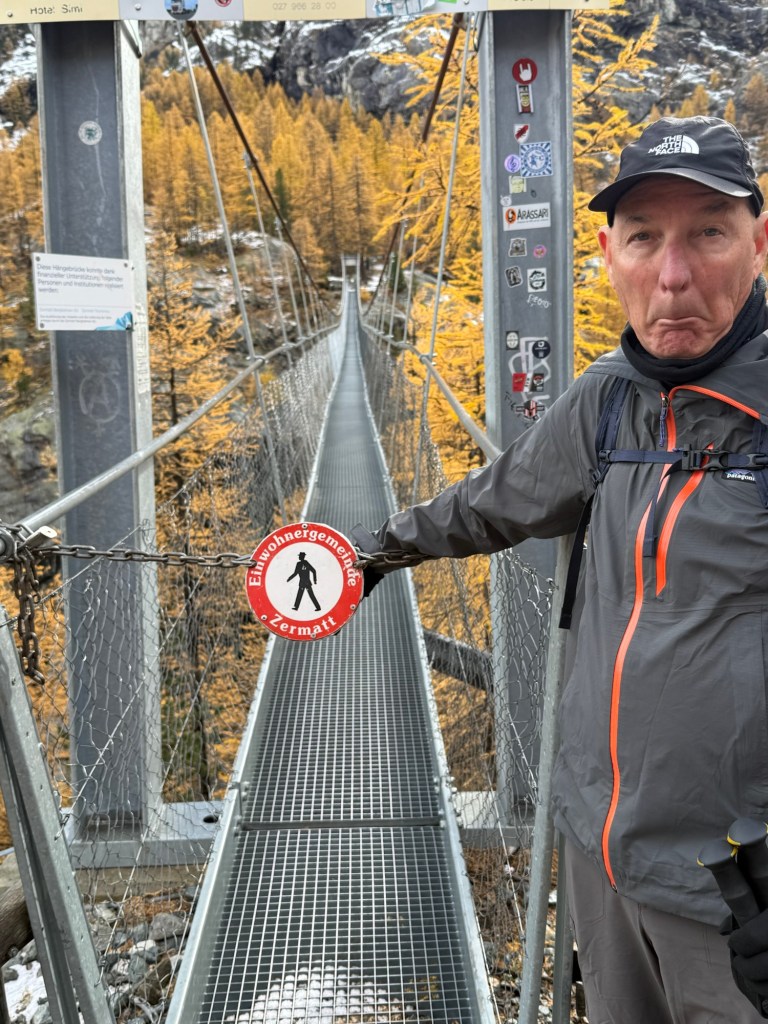
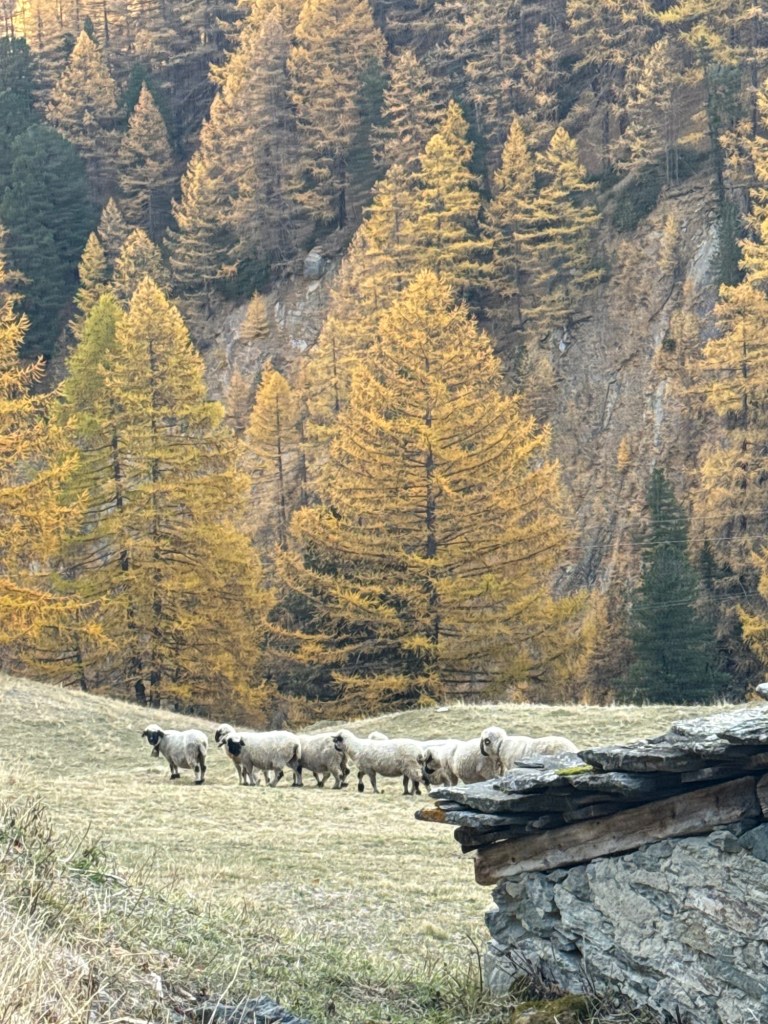
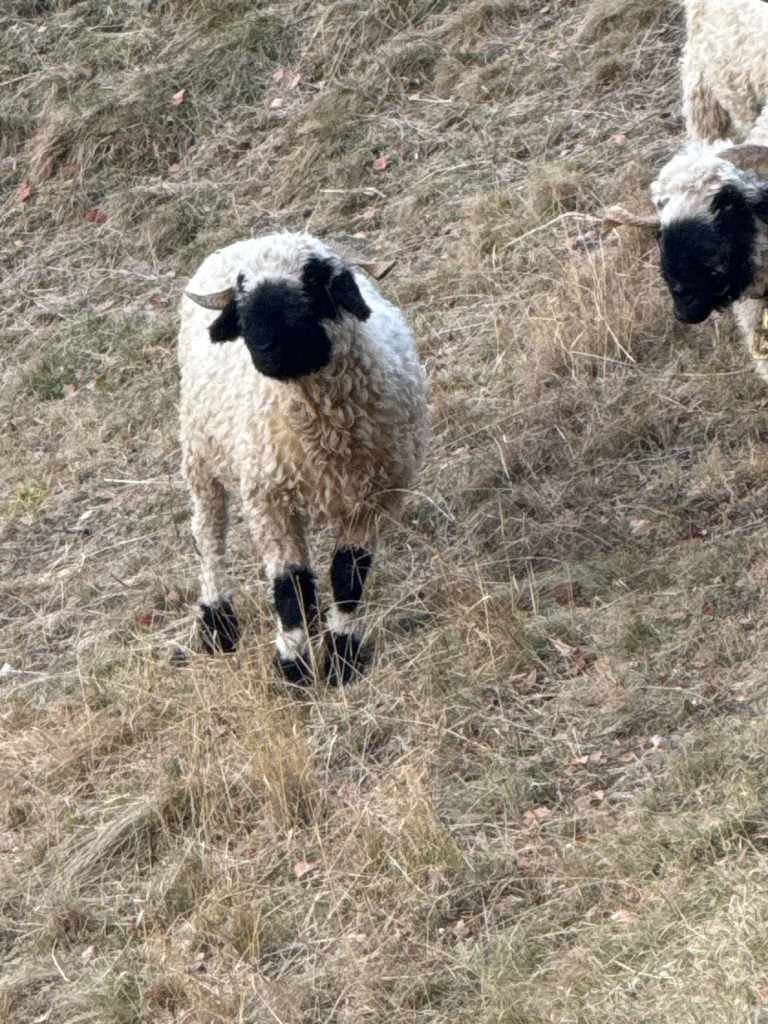
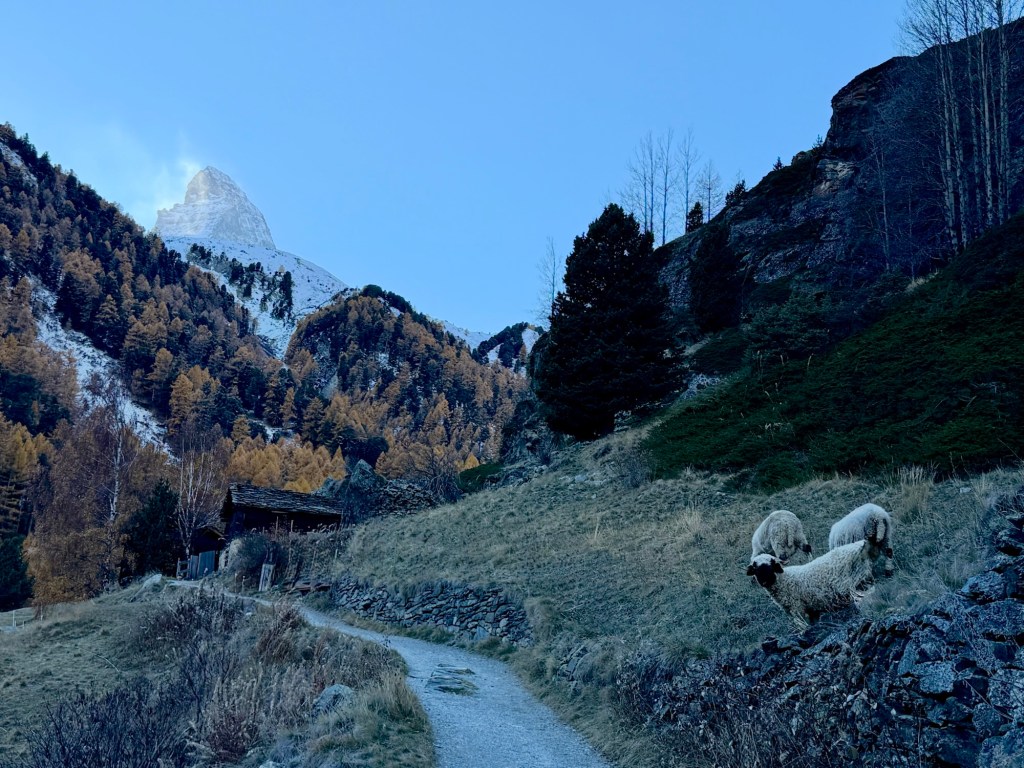
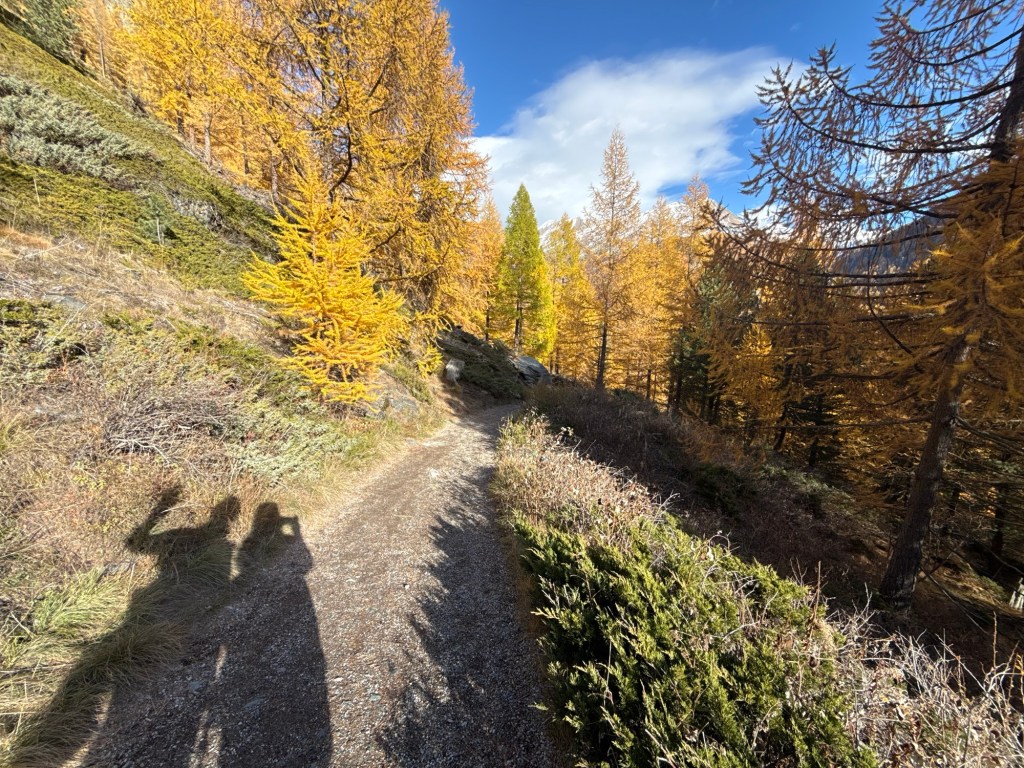
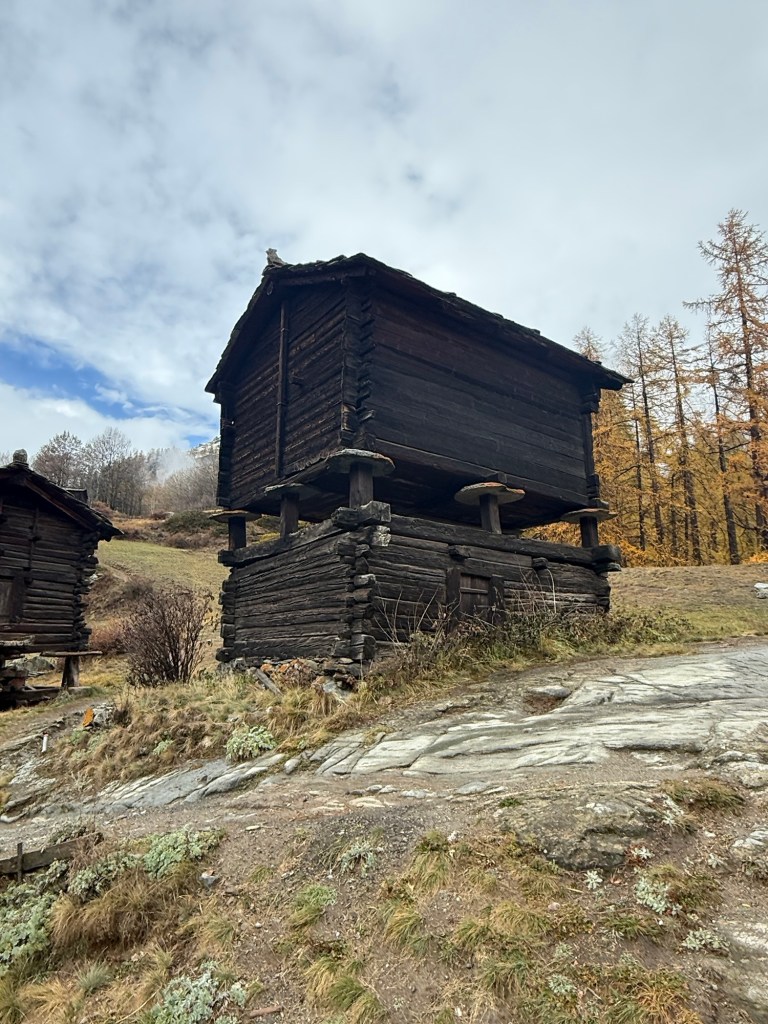
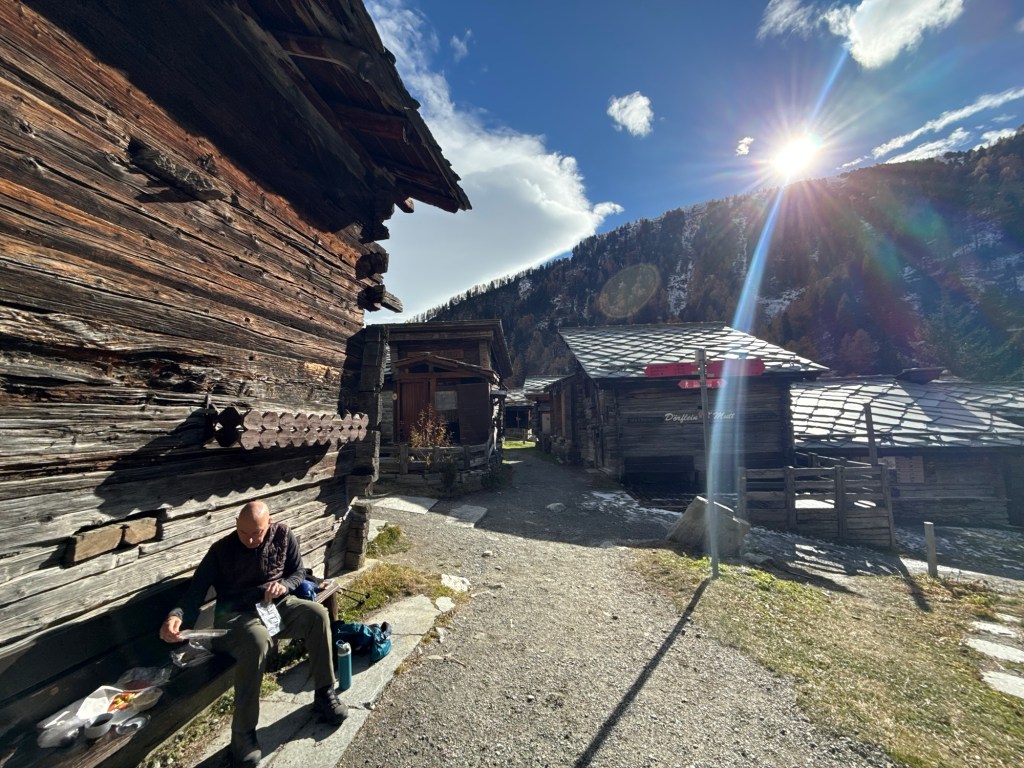
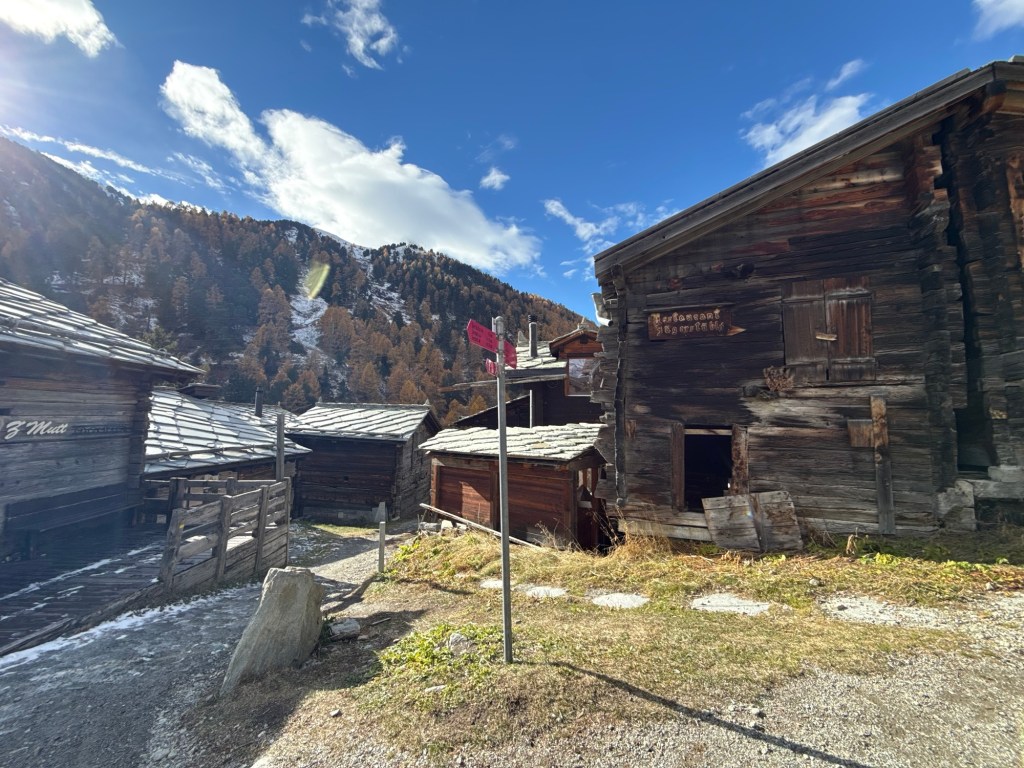
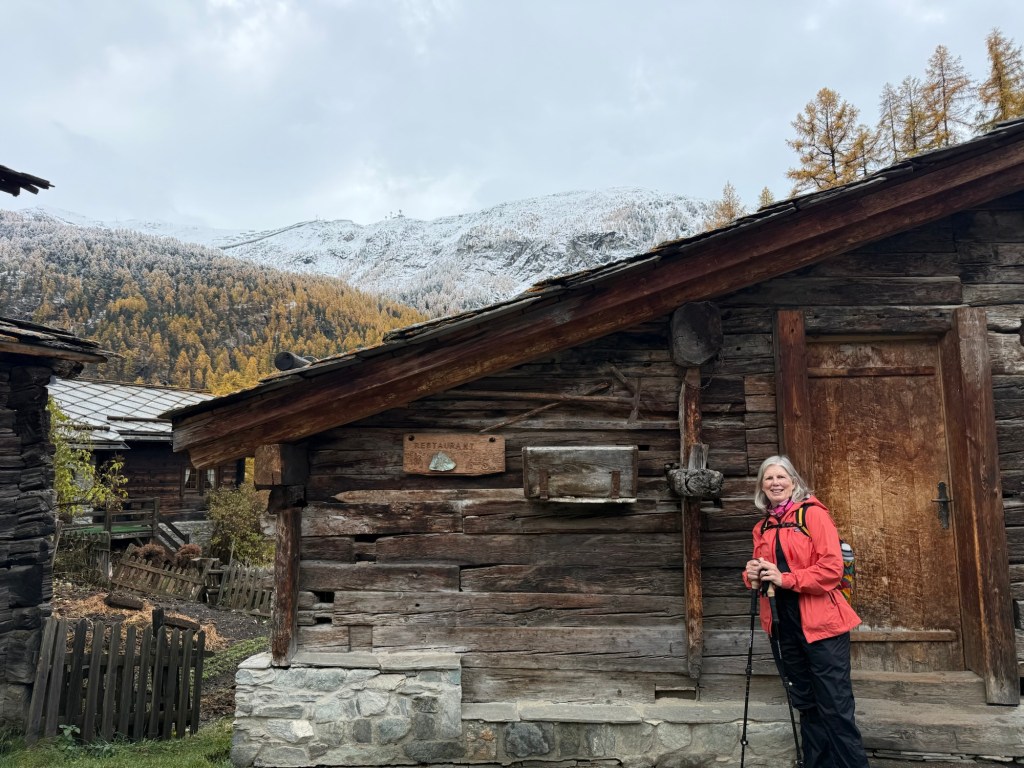
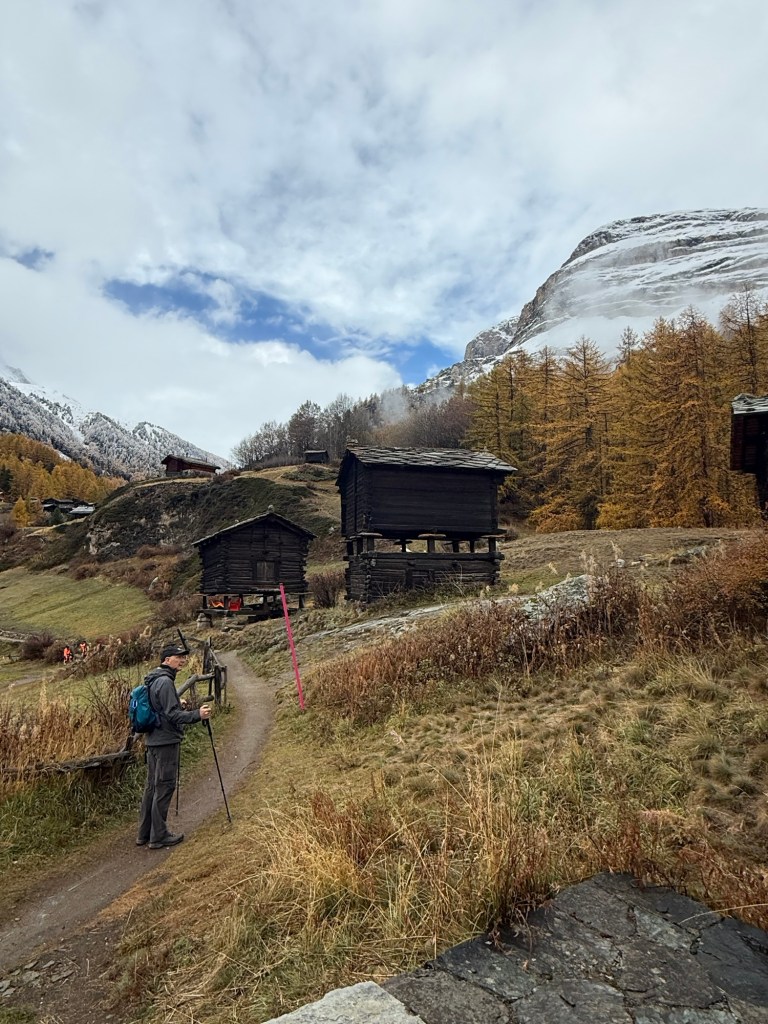
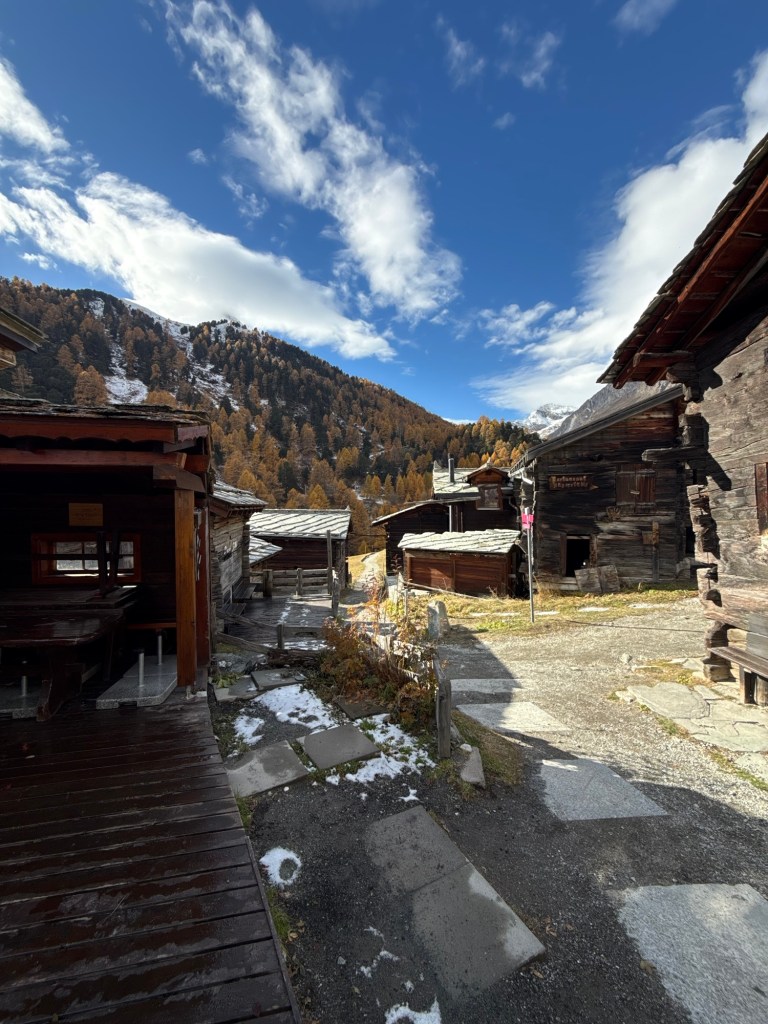
Some of our favorite walks took us through the tiny Alpine villages of Zmutt and Zum See. The old wooden houses and barns, darkened almost black by centuries of mountain weather, are fascinating. Many are built from larch, and some of the old grain storehouses stand on short supports topped with enormous flat stone discs.
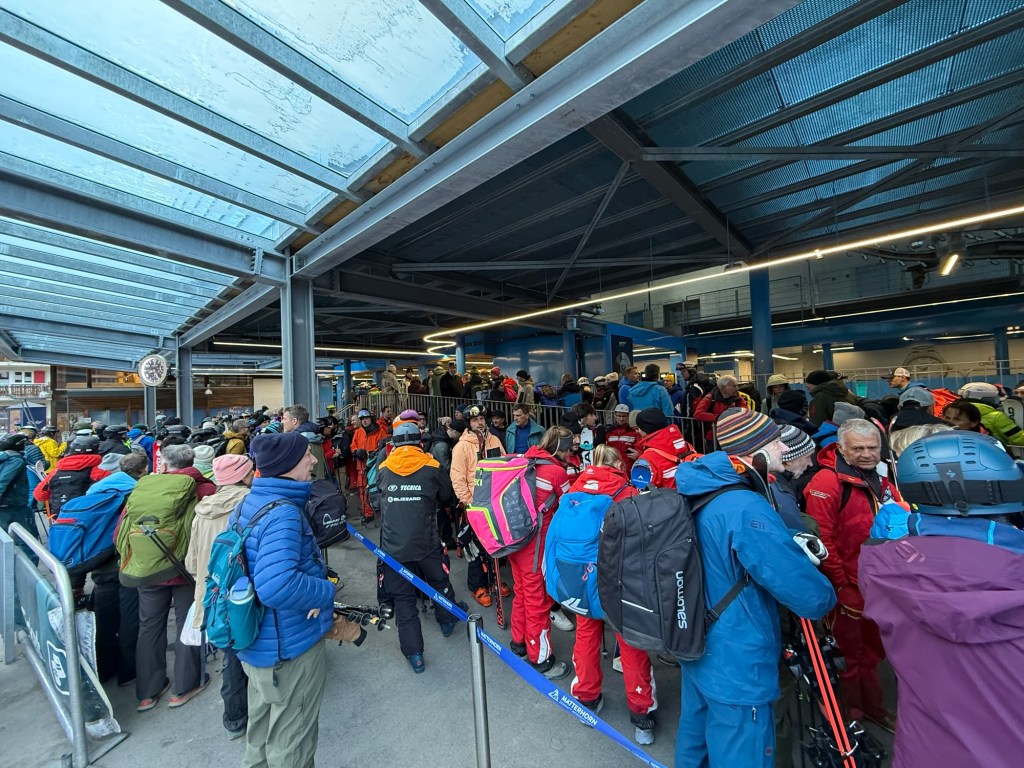
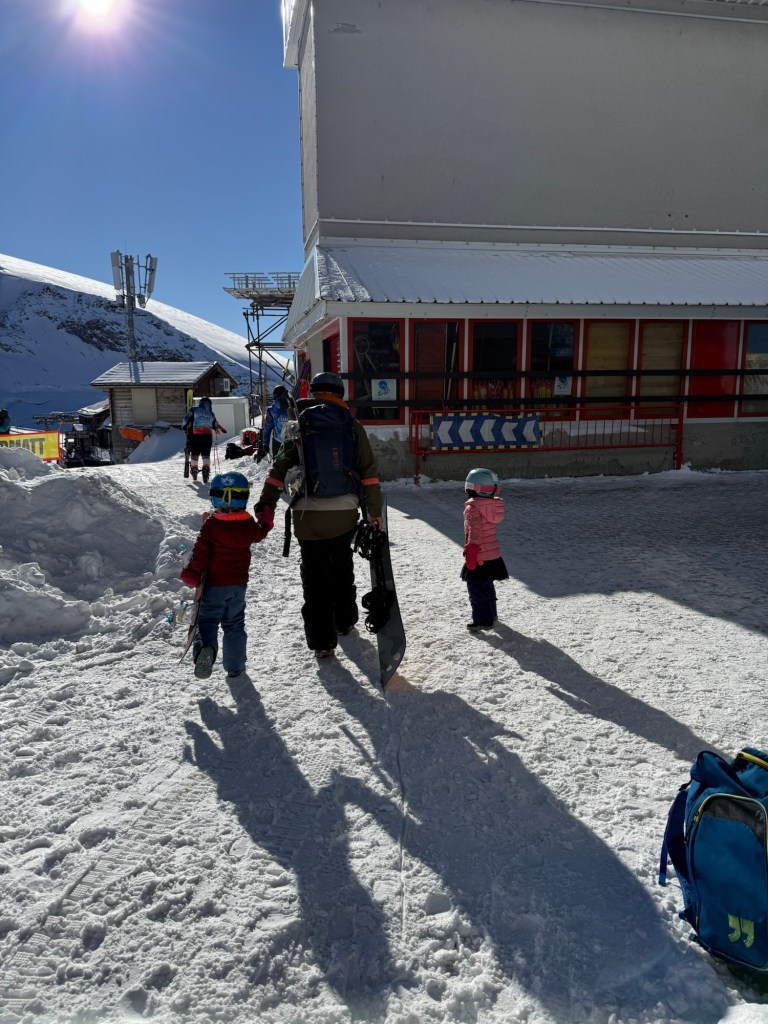
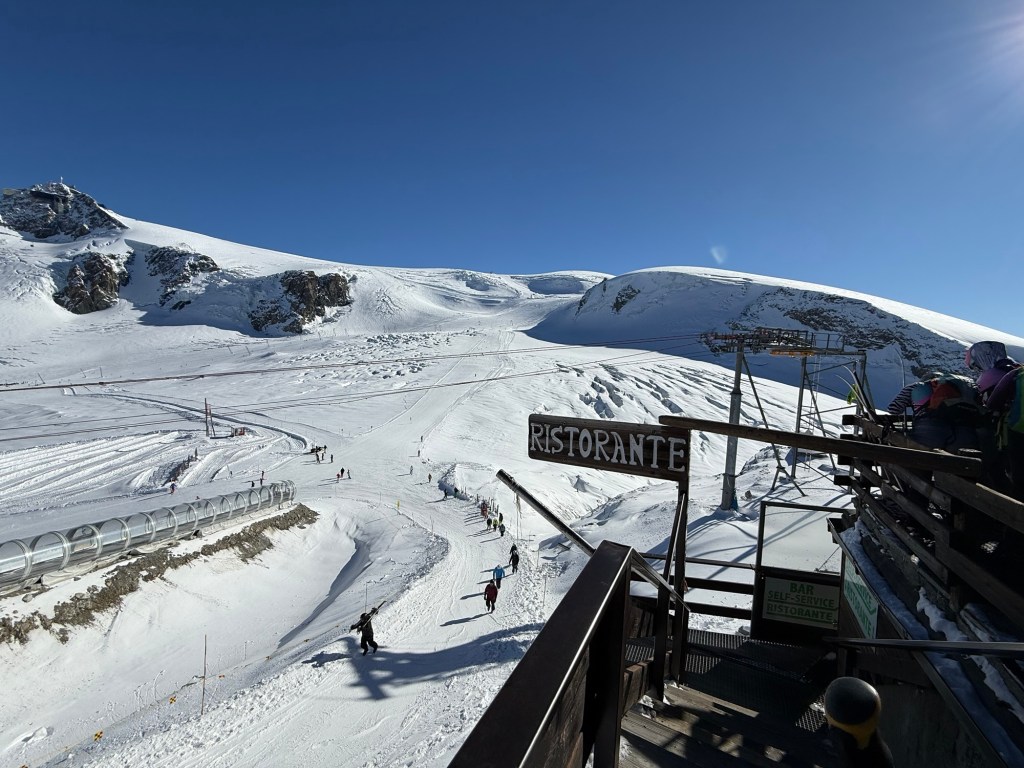
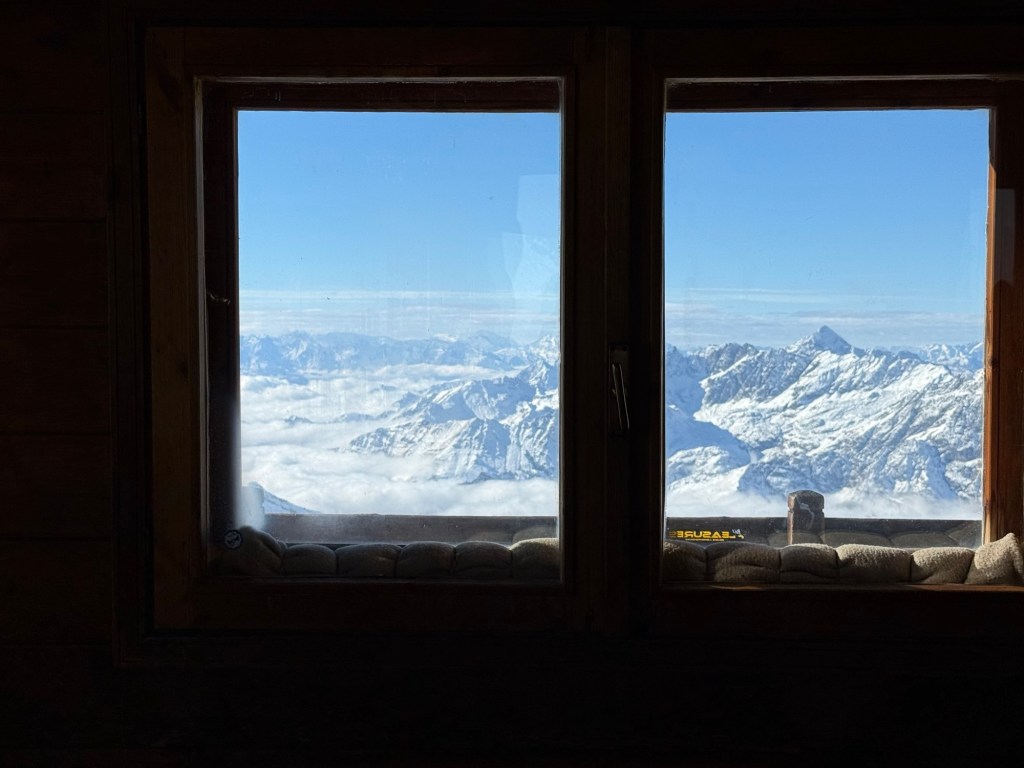
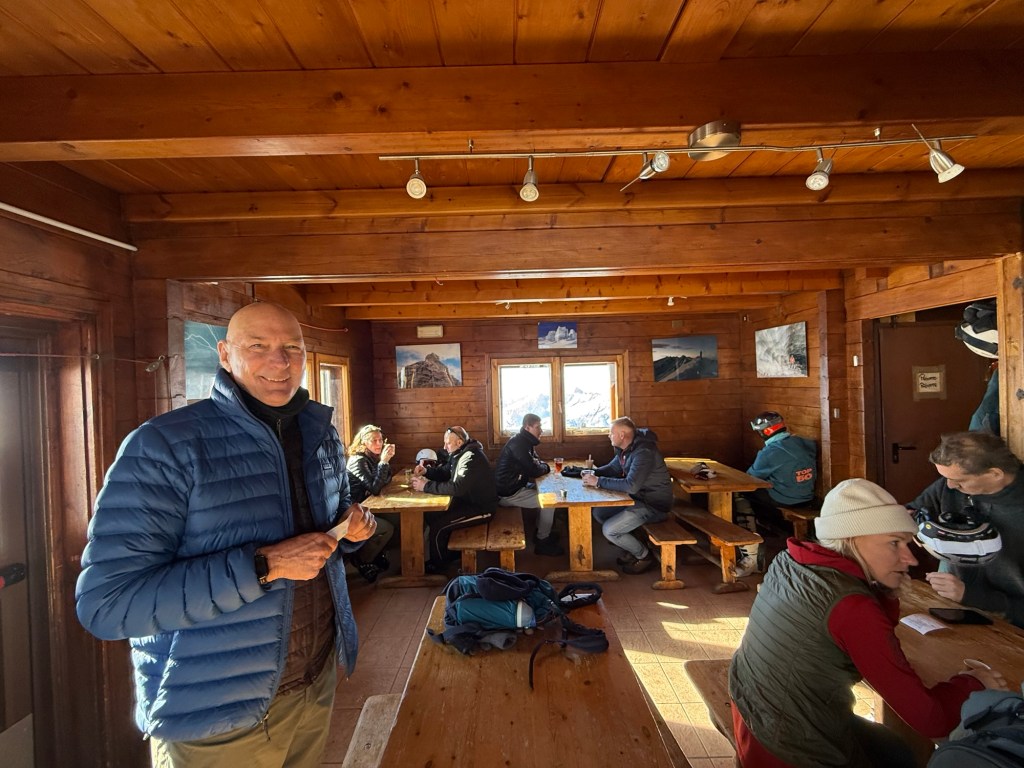
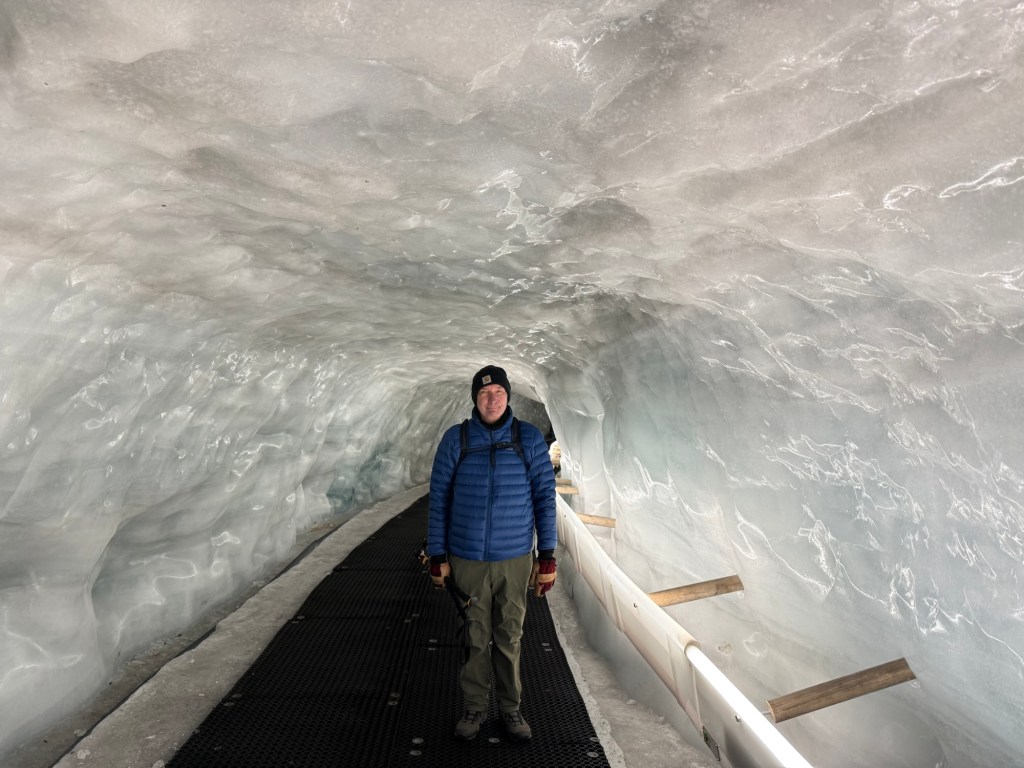
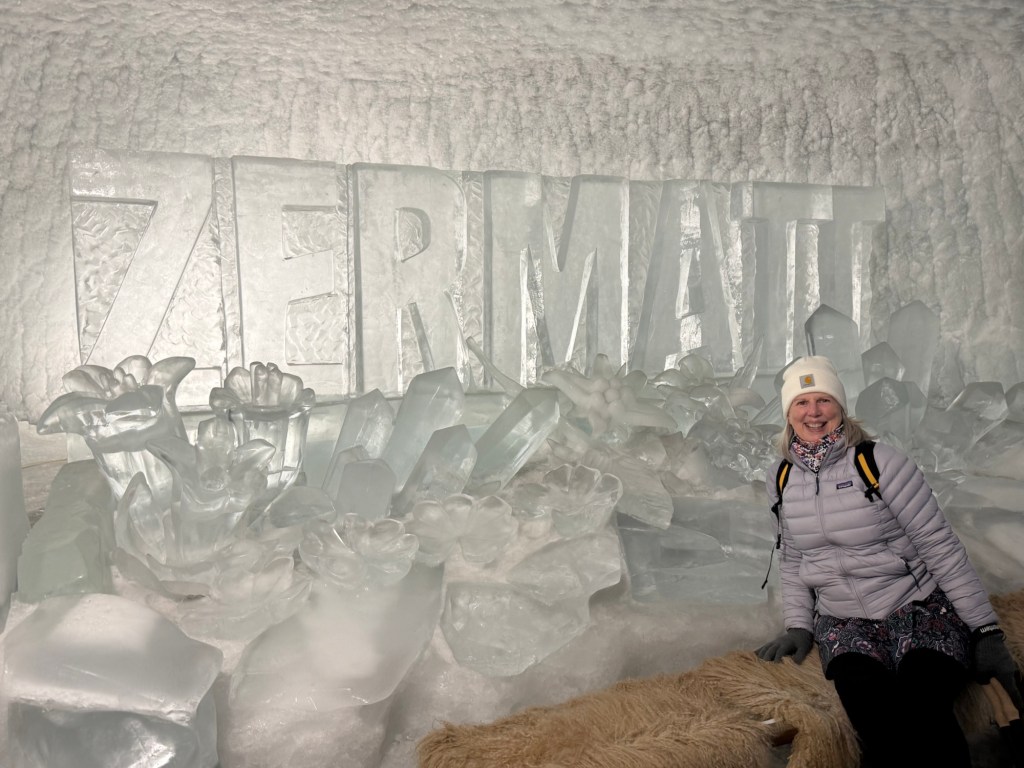
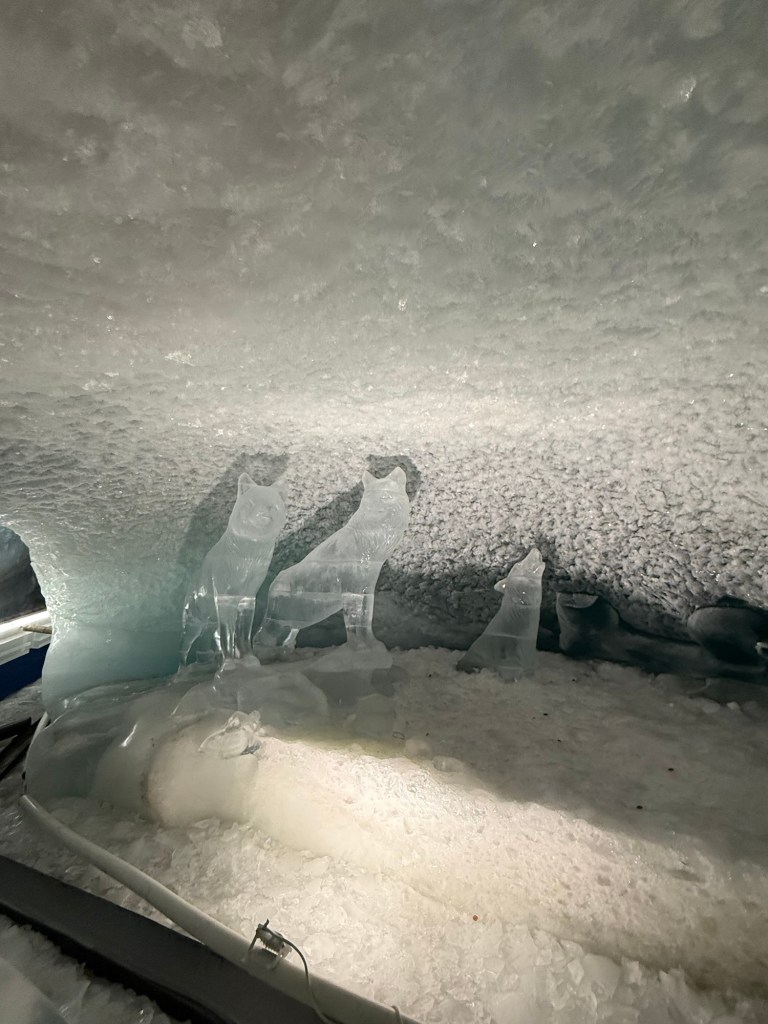
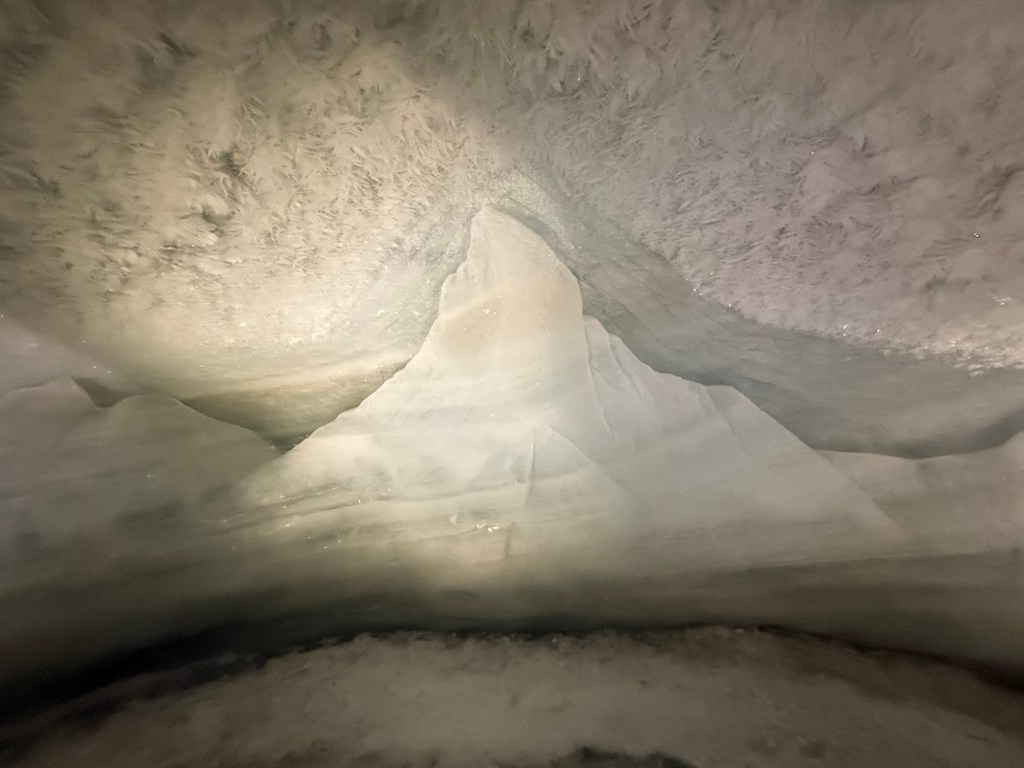
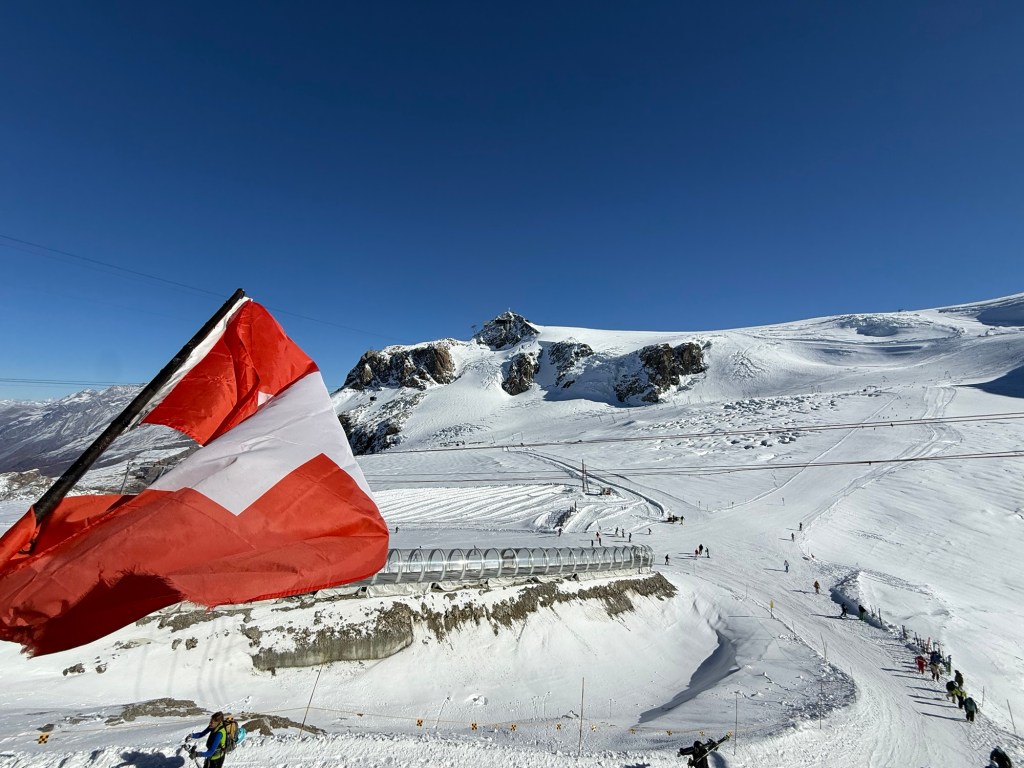
Our biggest mountain day was the trip up to Matterhorn Glacier Paradise. We took a succession of lifts higher and higher into the mountains, eventually reaching the glacier and the spectacular viewing platform above it.
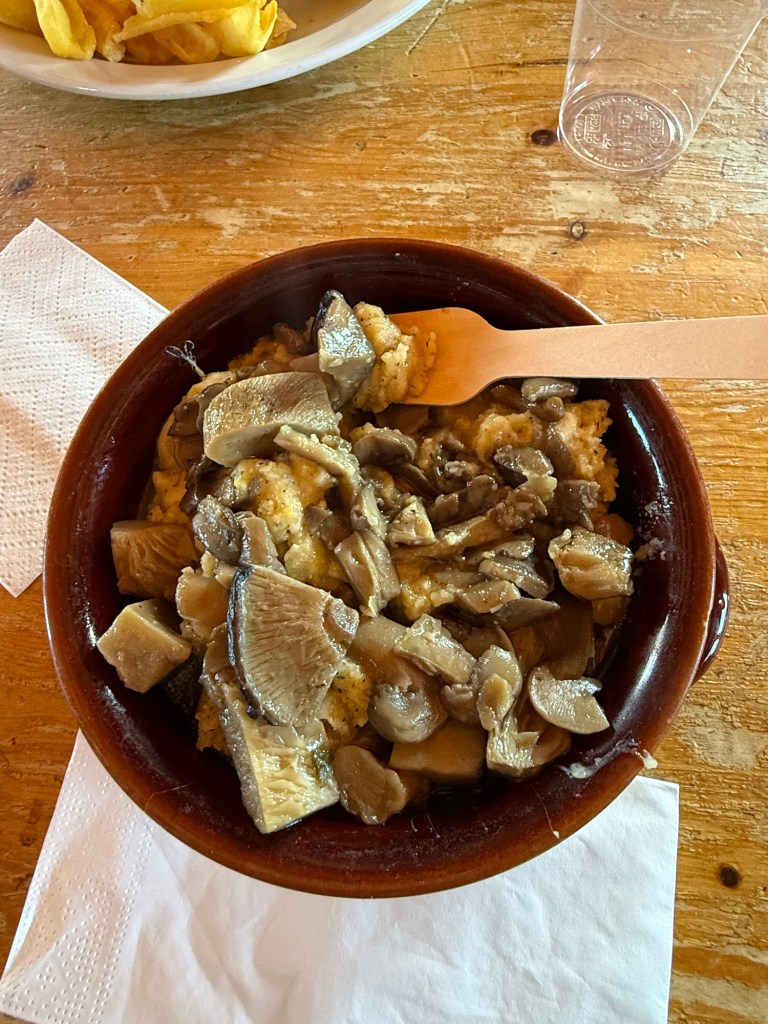
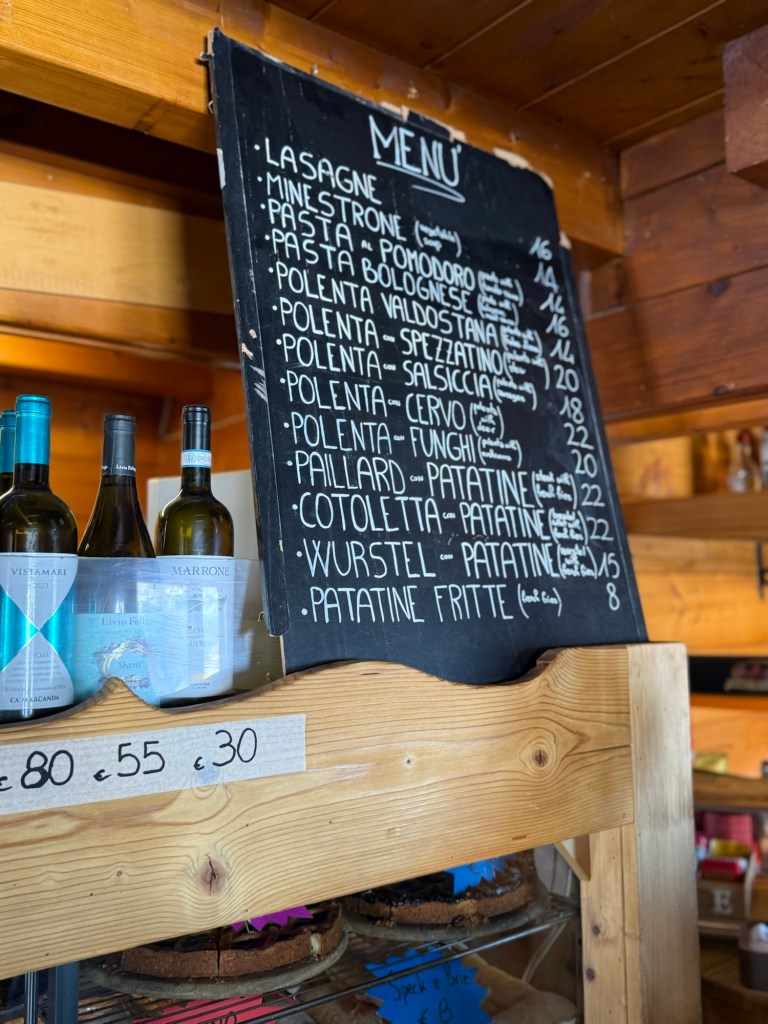
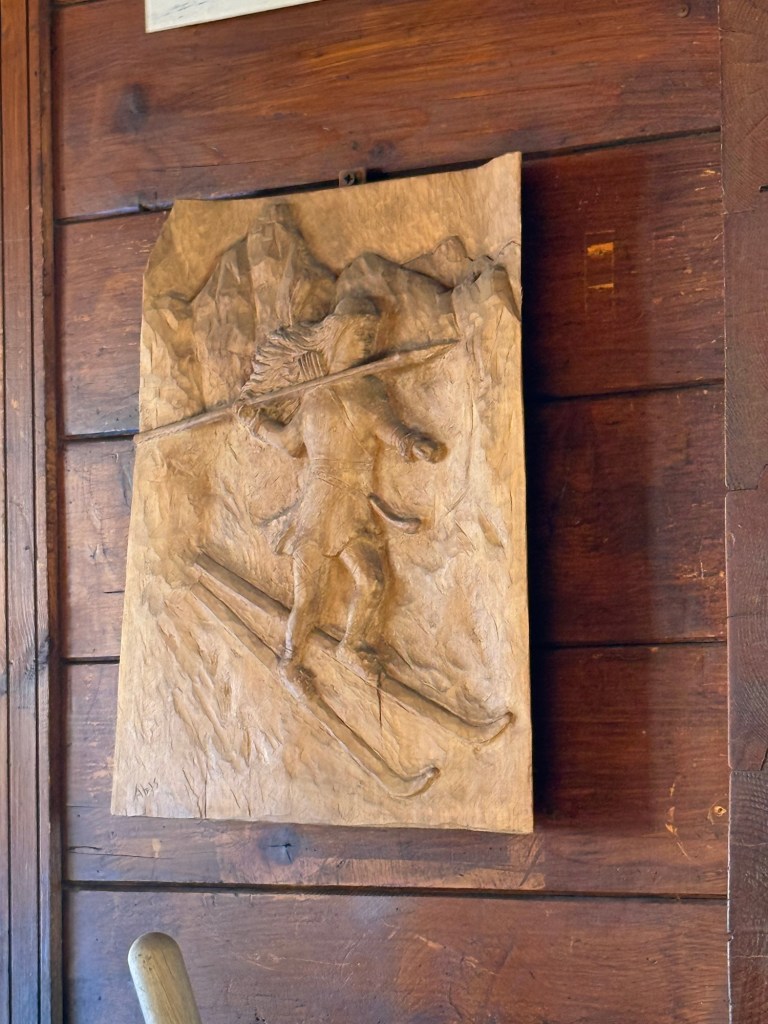
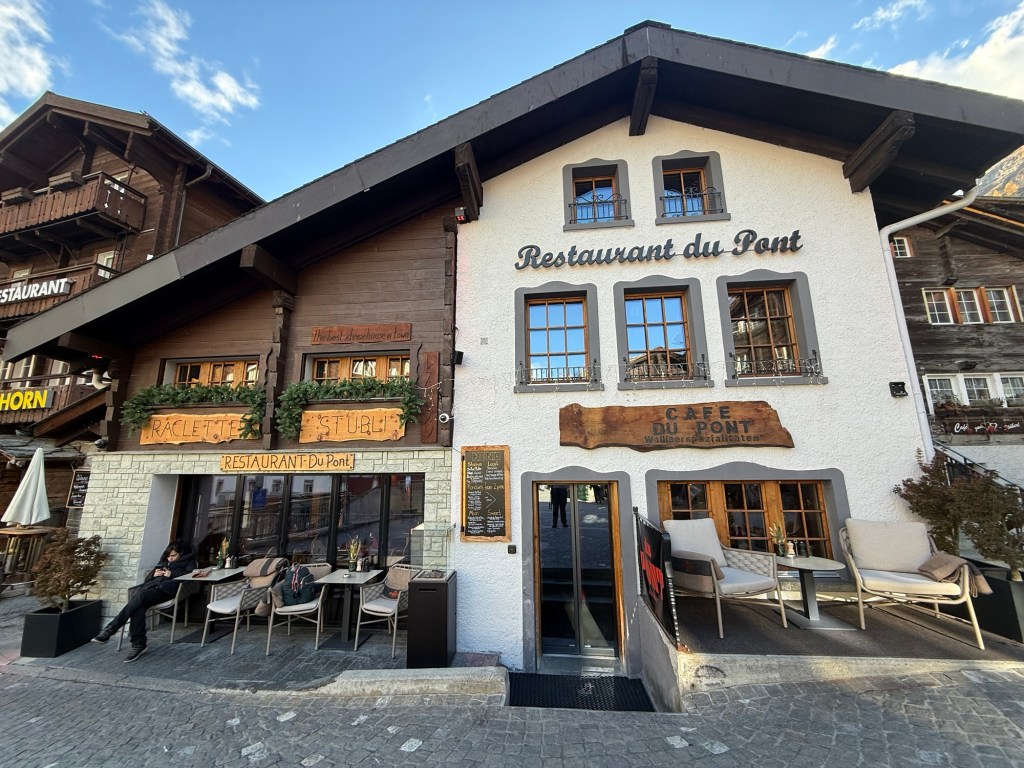
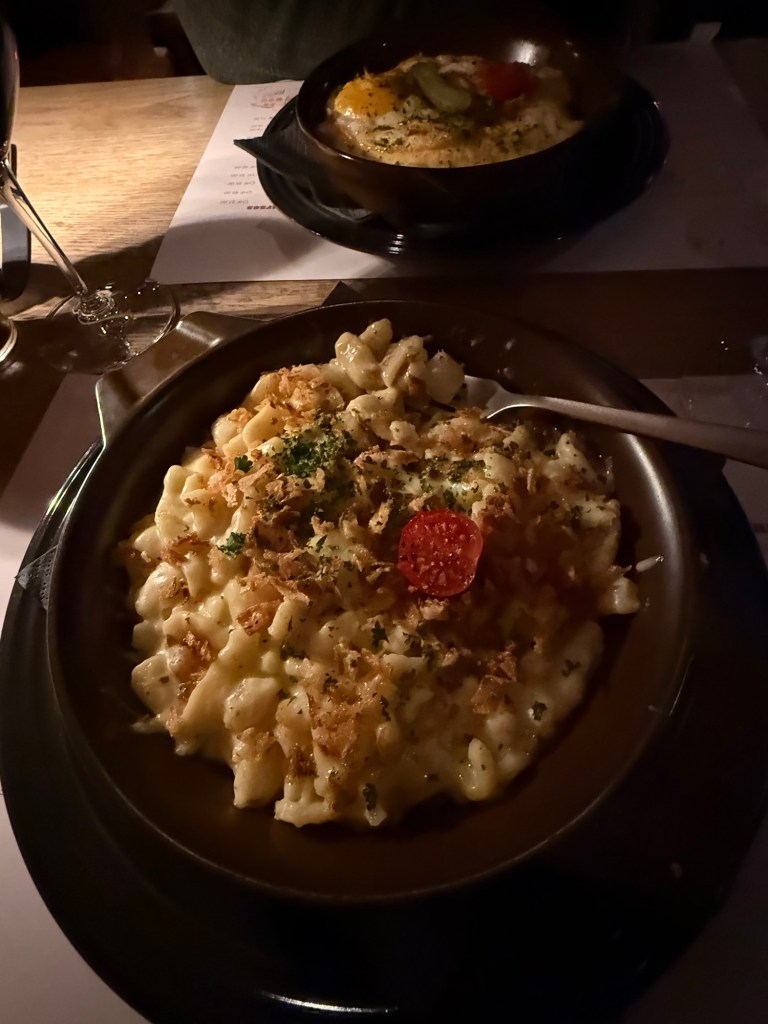
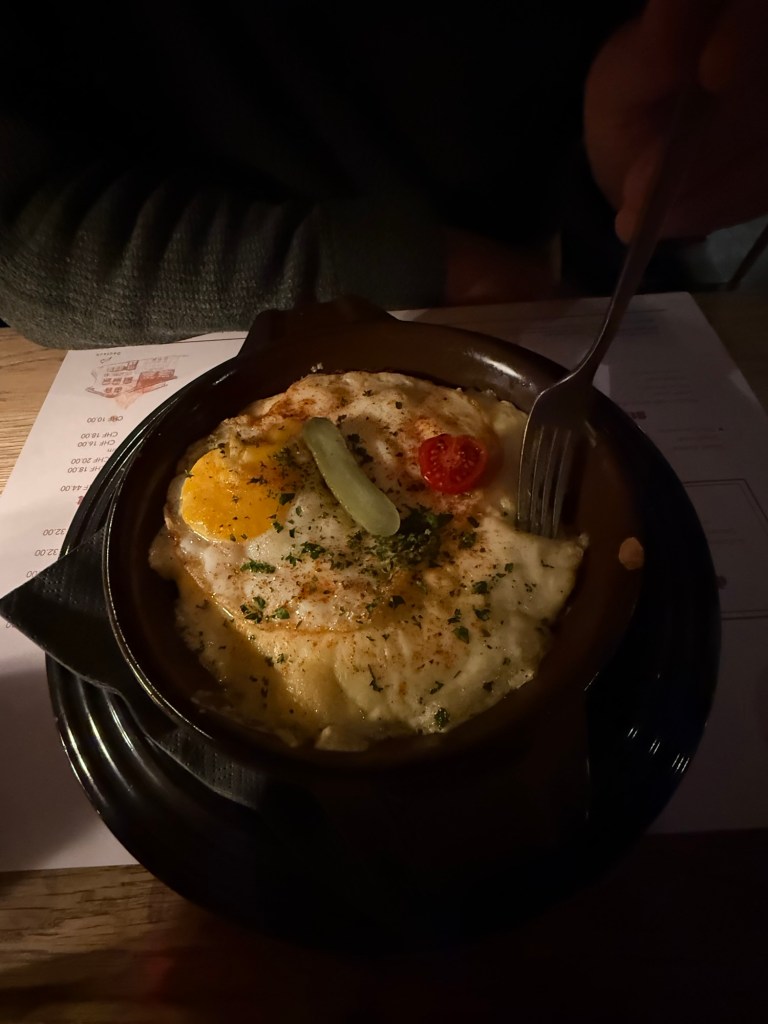
Back in Zermatt, we rediscovered Café du Pont, the oldest restaurant in the village. It’s a cozy, traditional place serving Swiss favorites like raclette, fondue, and rösti.
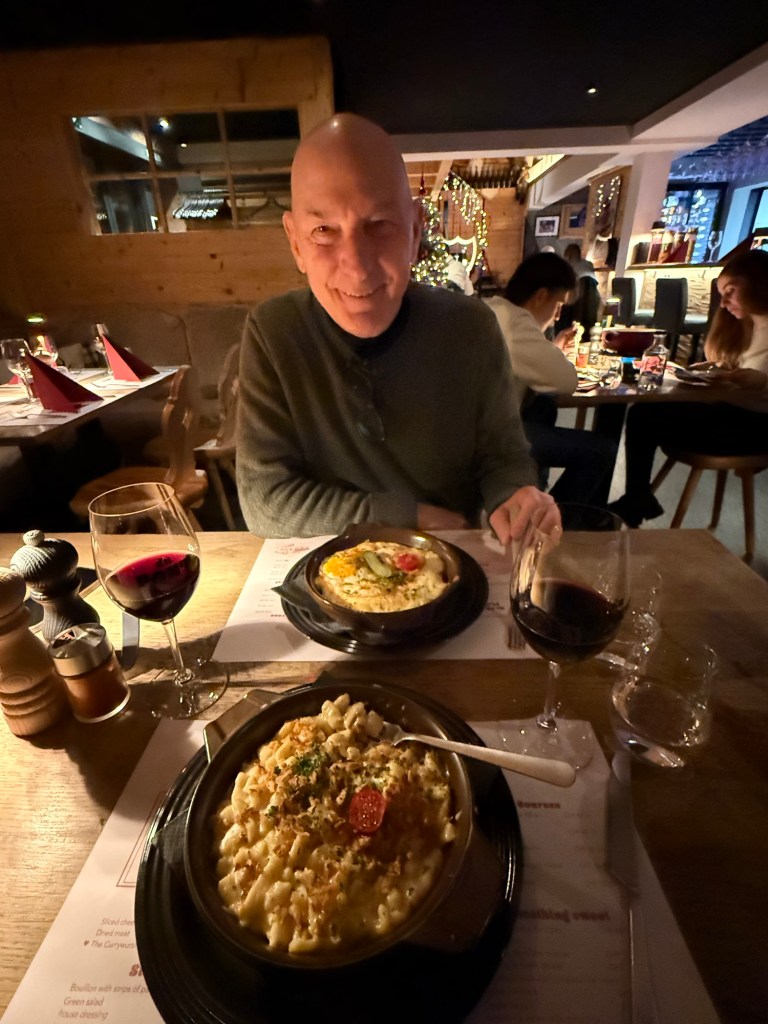
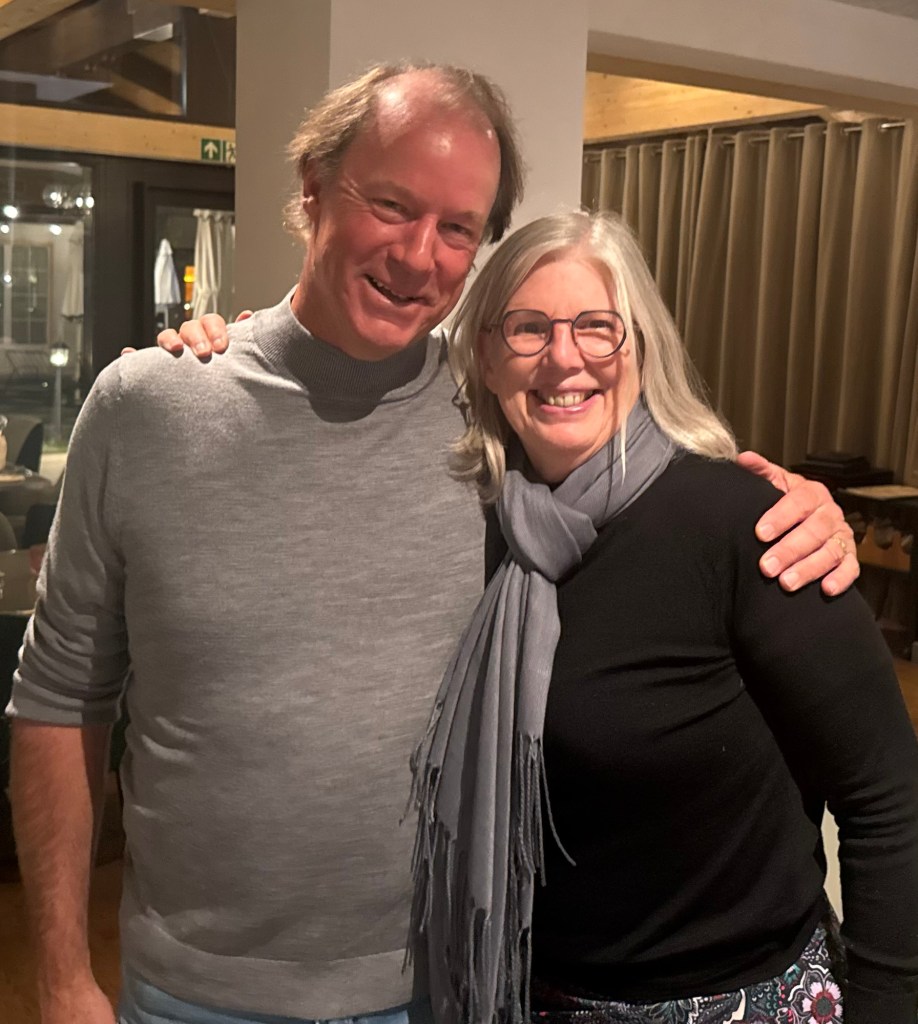
One of the highlights of returning was seeing Kris Robbins, whose parents, Ray and Lenita Robbins, founded Swiss Semester the year before I arrived. Kris is now the head of the school, and we met for a glass of wine. It was lovely to reconnect and hear about the school after so many years.
Zermatt is still car-free, which makes wandering around the village particularly pleasant. There are electric taxis and delivery vehicles, but no ordinary automobile traffic. And when it was time to leave, getting to Geneva by train was wonderfully straightforward.
No regrets whatsoever. I’m so glad Zermatt is part of our story.
A Little Chocolate Before Portugal
Switzerland has been making fine chocolate for more than 200 years, and several inventions helped establish its reputation. François-Louis Cailler opened one of the country’s first mechanized chocolate factories in 1819. In 1875, Daniel Peter developed milk chocolate, and in 1879, Rodolphe Lindt invented the conching process, which gives chocolate that wonderfully smooth texture.
Geneva has its own long chocolate tradition, including Favarger, whose origins date to 1826.
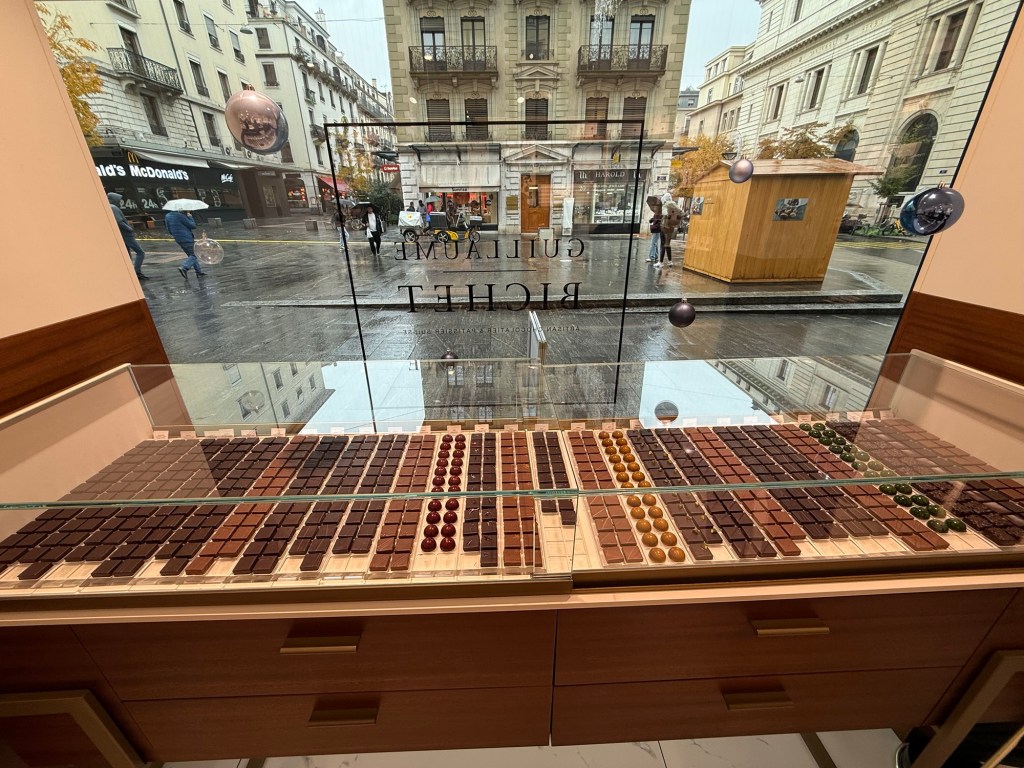
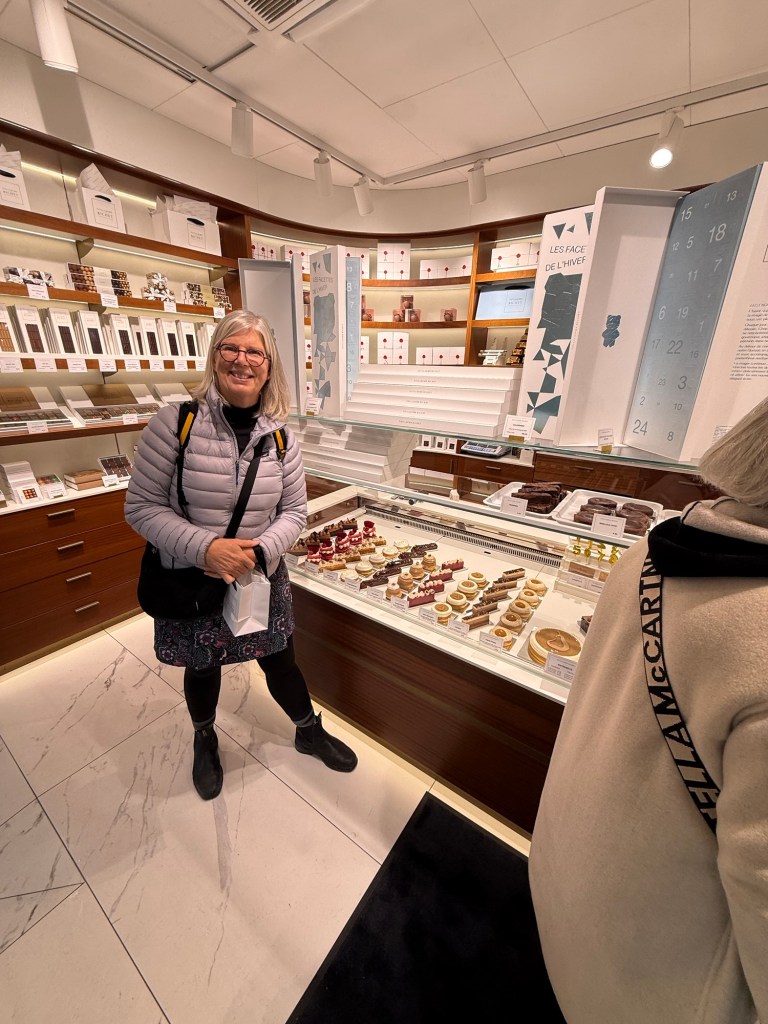
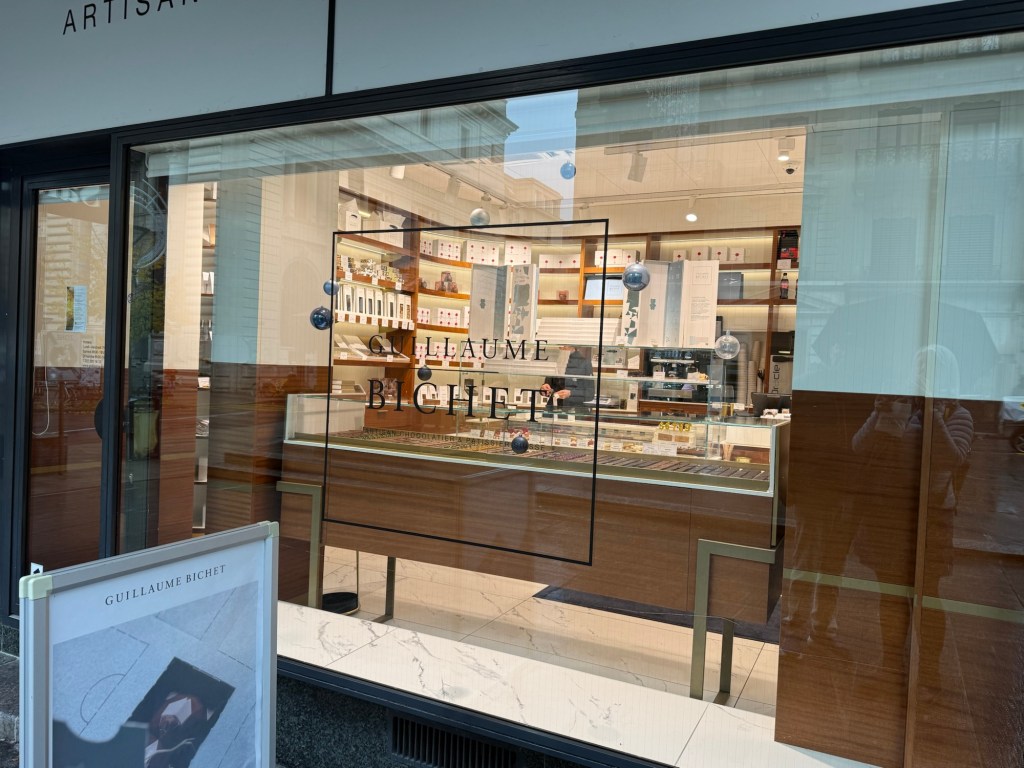
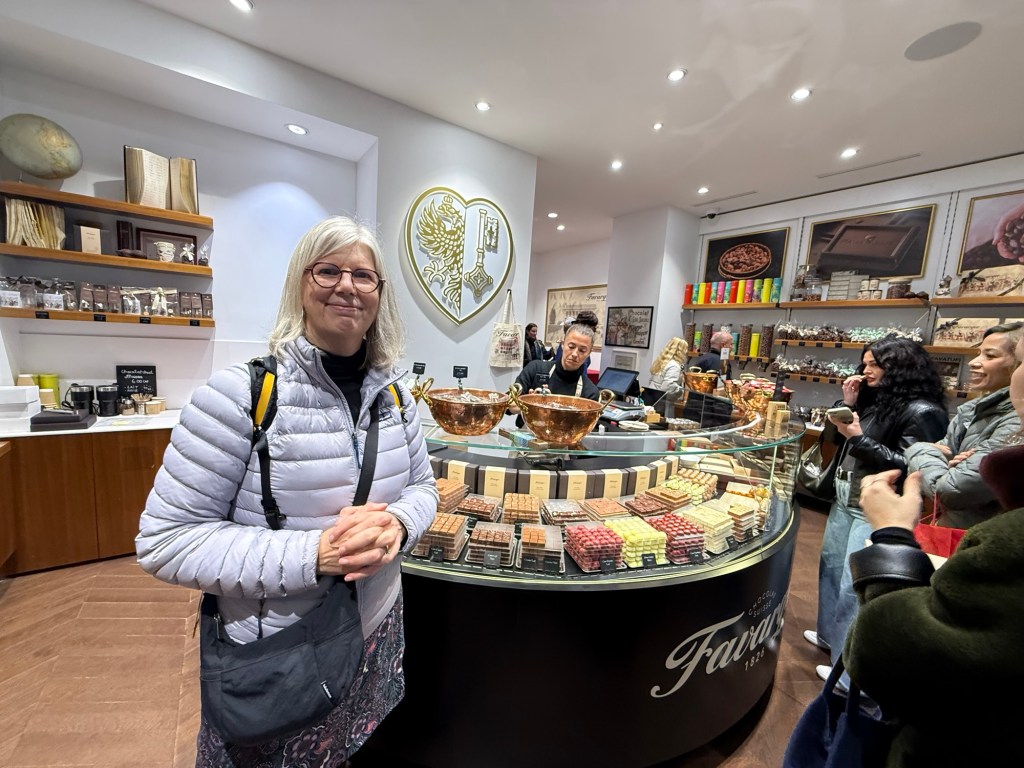
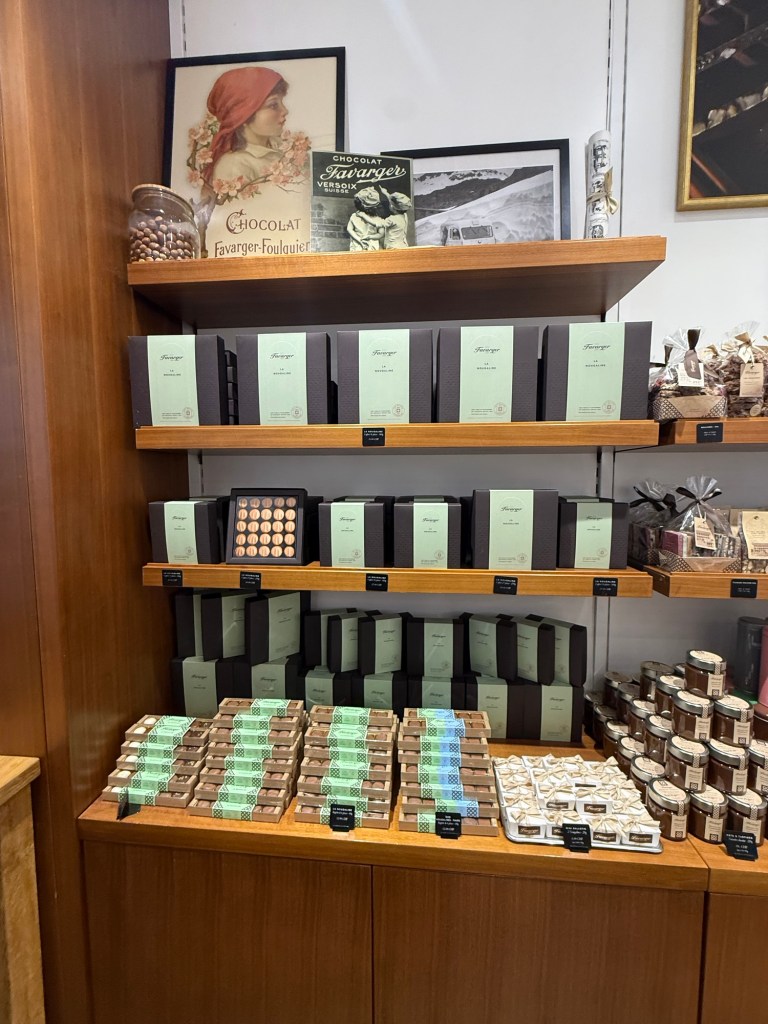
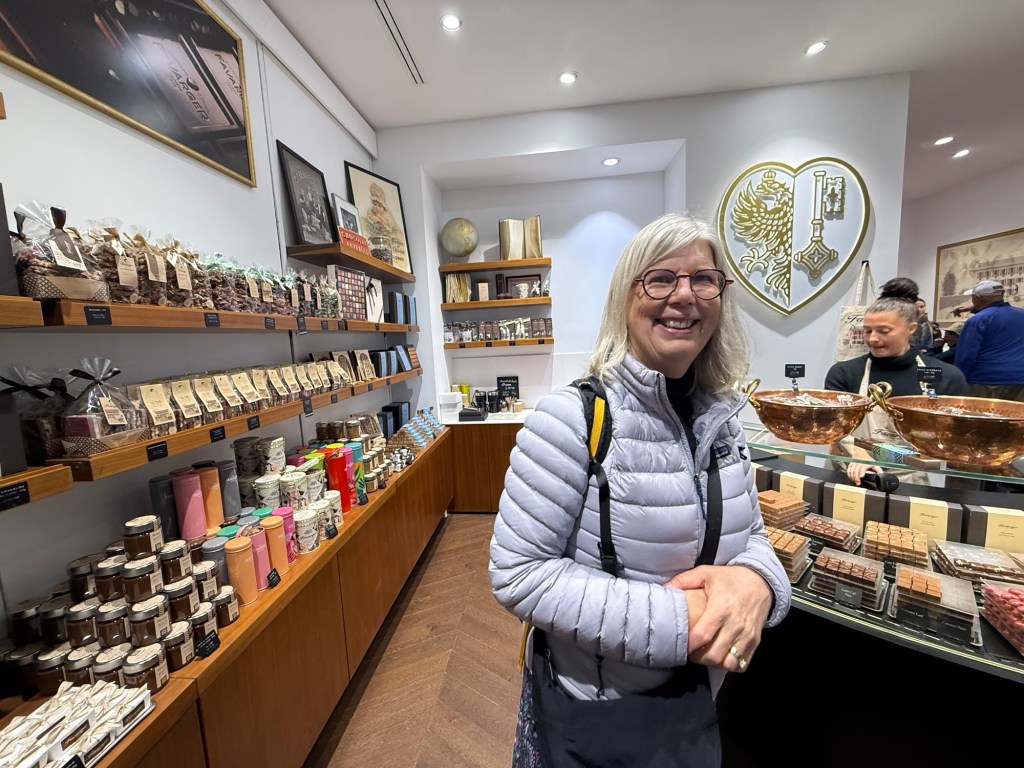
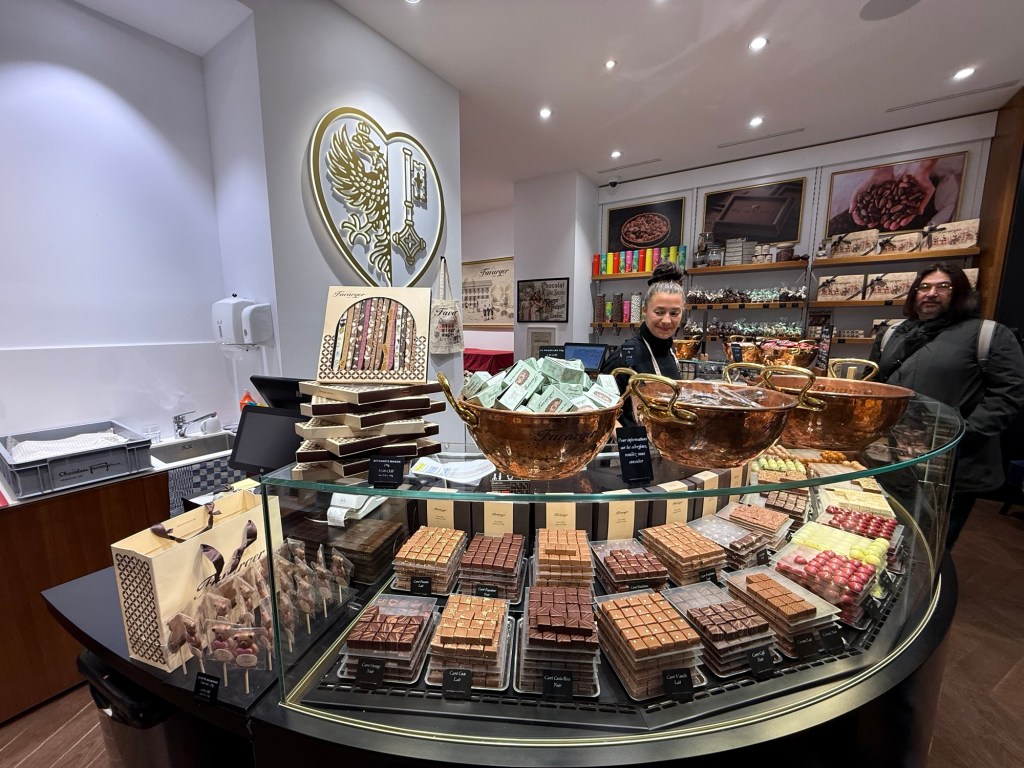
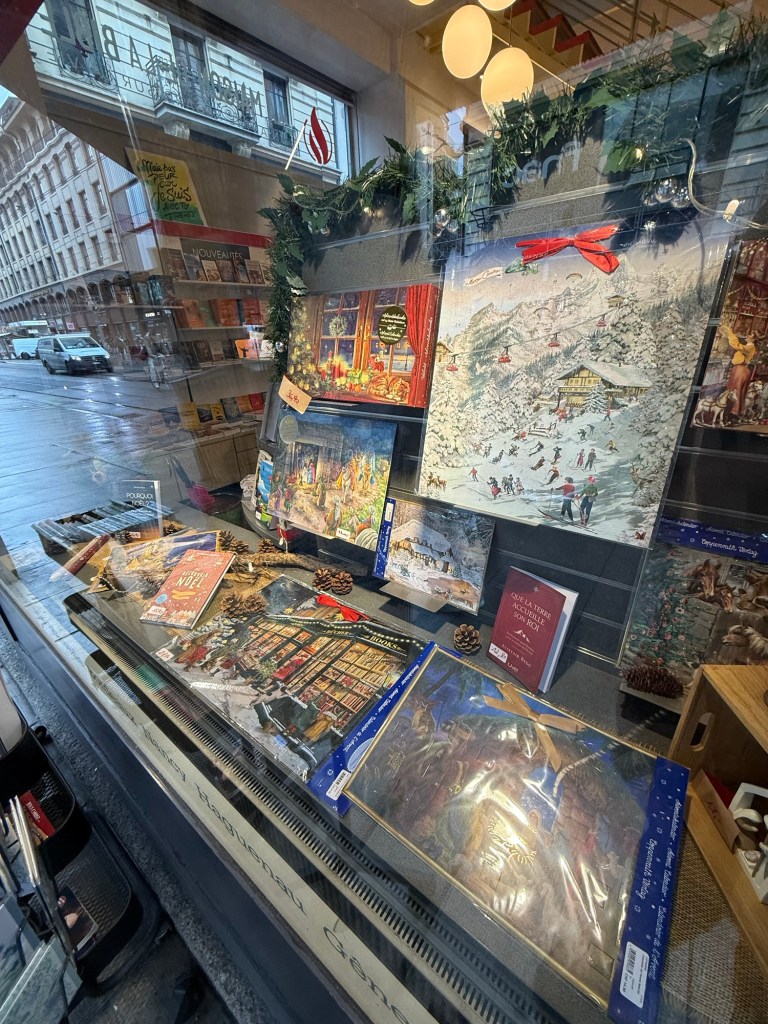
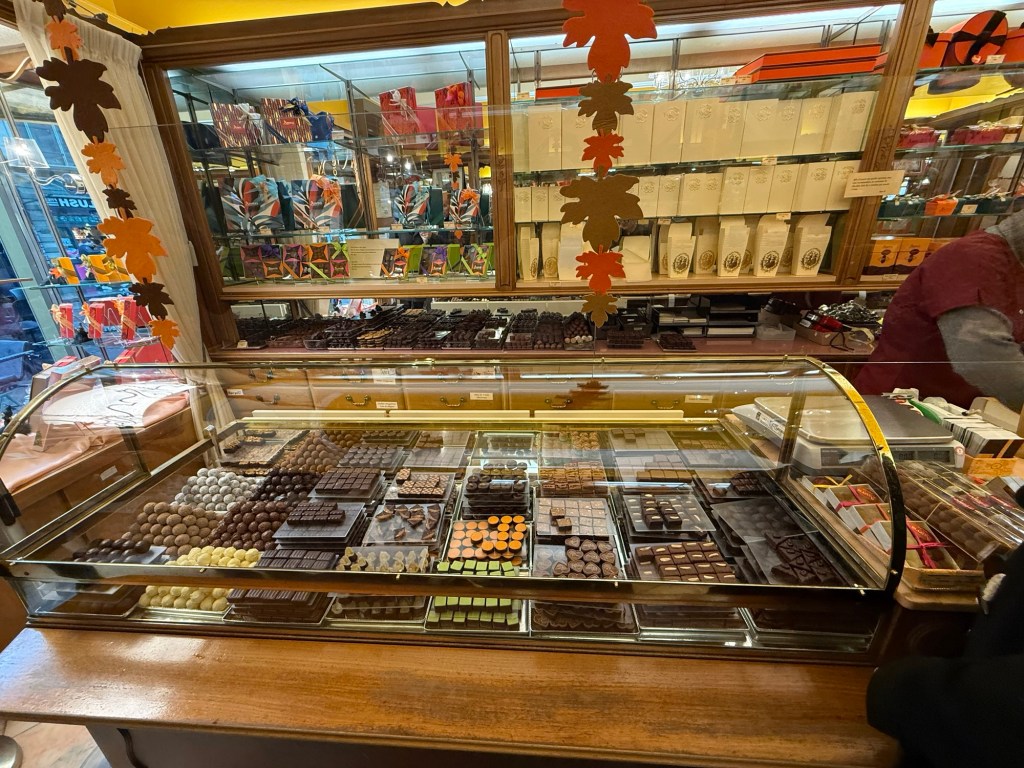
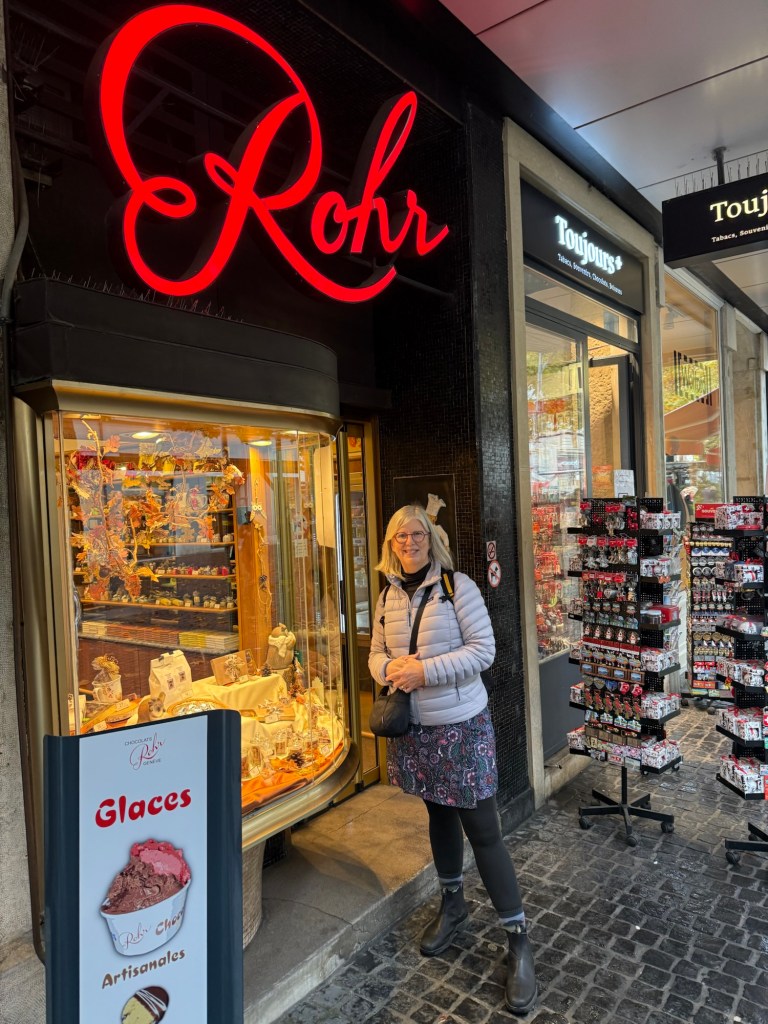
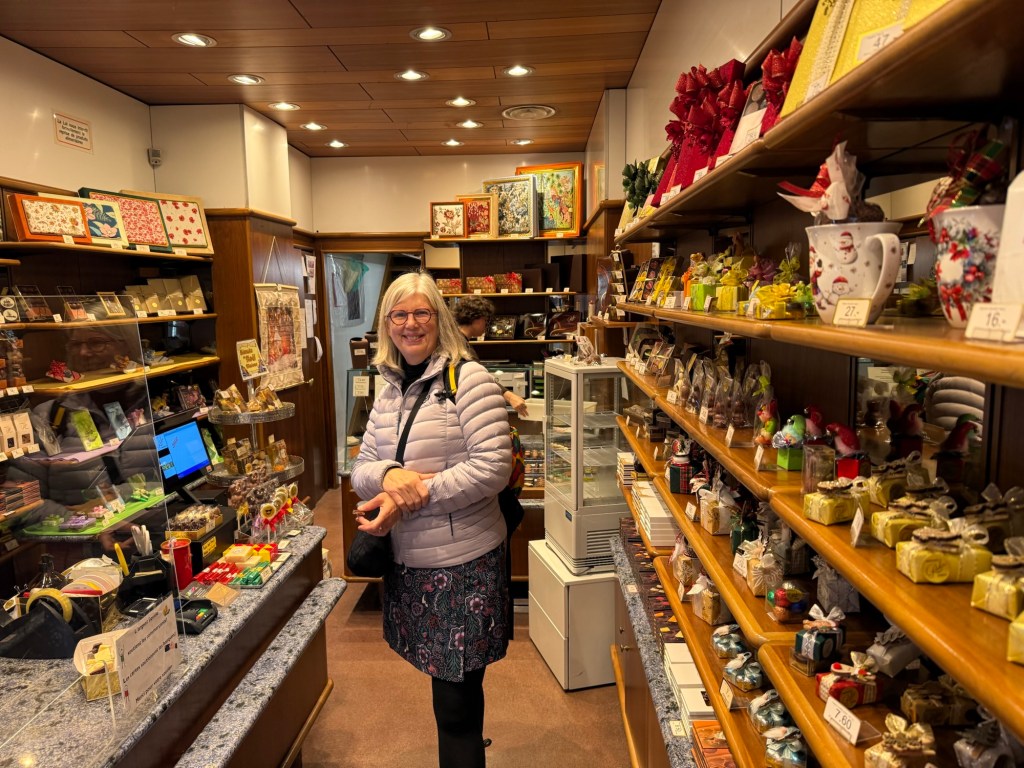
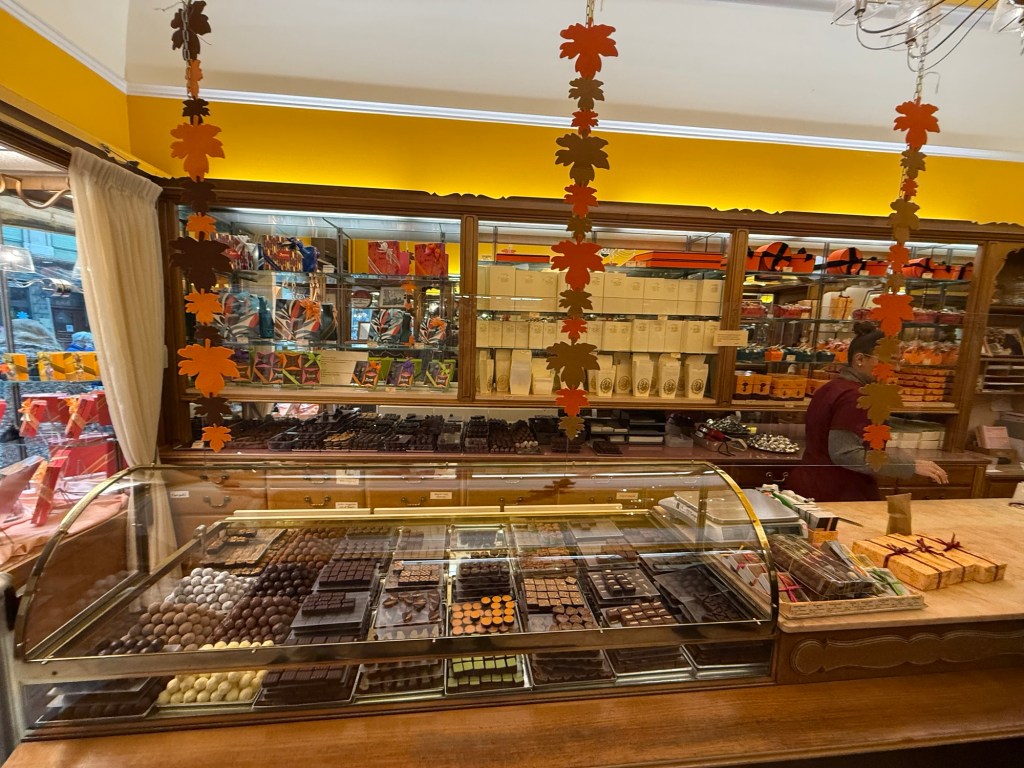
We walked through the city, stopping at chocolatiers and sampling their specialties. It was a particularly enjoyable way to spend our last few hours in Switzerland, although perhaps not the most restrained lunch!
And then it was off to the airport and on to Porto, Portugal, for the final leg of our fall adventure.

